Are you looking for simple and safe ways to strengthen your belly and improve your balance? Ab workouts for seniors are designed just for you—helping you build core strength, support better posture, and feel more confident in daily activities.
Whether you prefer seated exercises or gentle floor moves, these workouts focus on controlled motions that protect your body while delivering real results. Stick with us, and you’ll discover easy-to-follow exercises tailored to your needs, plus tips to keep you safe and motivated.
Ready to feel stronger and more energized? Let’s dive into the best ab workouts made just for seniors like you.
Core Strength Basics
Core strength forms the foundation of overall fitness, especially for seniors. It supports posture, balance, and daily movements. Strengthening the core helps prevent falls and reduces back pain. Simple exercises can target abdominal muscles safely and effectively. Understanding core strength basics guides seniors to better health.
Importance For Seniors
Core muscles support the spine and pelvis. Strong core muscles improve balance and stability. This helps seniors move with confidence. A strong core reduces the risk of falls. It also eases the strain on other body parts. Core strength aids in daily tasks like standing and walking. It promotes better posture and less back pain.
Safety Considerations
Safety is key when seniors exercise their core. Start with gentle, low-impact movements. Avoid exercises that cause pain or discomfort. Use chairs or supports for balance if needed. Focus on slow, controlled breathing during workouts. Stop immediately if dizziness or sharp pain occurs. Consult a doctor before starting any new routine. Proper form reduces injury risk and improves results.
Seated Core Moves
Seated core moves offer a safe way for seniors to build abdominal strength. These exercises improve balance and support better posture. They can be done easily at home with a sturdy chair. Each move targets key muscles in the stomach and lower back. Regular practice helps increase stability and reduce the risk of falls.
Seated core exercises suit those with limited mobility or joint pain. They allow controlled movement without strain. Focus on slow, steady motions and breathing deeply. Stop if you feel pain or discomfort. These moves can be part of a daily routine for lasting benefits.
Abdominal Bracing
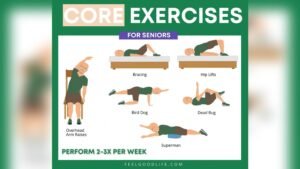
Abdominal bracing is a simple way to engage core muscles. Sit tall and draw your belly button toward your spine. Hold the contraction for a few seconds while breathing normally. Release and repeat several times. This exercise strengthens deep abdominal muscles and supports the lower back.
Seated Side Bends
Seated side bends target the oblique muscles on the sides of the abdomen. Sit with your feet flat on the floor and hands resting by your sides. Slowly bend to one side, sliding your hand down toward the chair. Return to center and bend to the other side. Perform this move gently to avoid strain.
Seated Knee Lifts
Seated knee lifts activate lower abdominal muscles and hip flexors. Sit upright with feet flat on the floor. Lift one knee toward your chest, keeping your back straight. Hold for a moment, then lower the foot back down. Repeat with the other knee. This exercise improves core strength and hip mobility.
Floor Exercises
Floor exercises help seniors build core strength safely. They improve balance and support better posture. These moves work gently on abdominal muscles without strain. Practice slow and controlled motions for best results.
Start with simple exercises on a mat or soft surface. Use pillows for extra comfort if needed. Focus on breathing steadily and engaging your belly muscles.
Bridge
The bridge strengthens your lower back and abs. Lie on your back with knees bent and feet flat. Press your hips upward until your body forms a straight line. Hold for a few seconds, then lower slowly. Repeat 8 to 10 times. This move boosts stability and helps reduce lower back pain.
Deadbug
The deadbug improves core control and coordination. Lie on your back with arms straight above and knees bent at 90 degrees. Slowly lower one arm and the opposite leg toward the floor. Return to start and switch sides. Keep your lower back pressed to the floor. Do 8 to 12 repetitions on each side to strengthen deep core muscles.
Modified Plank
The modified plank builds abdominal endurance safely. Start on your forearms and knees, keeping your body in a straight line from head to knees. Tighten your belly and hold this position for 10 to 20 seconds. Rest and repeat 3 to 5 times. This exercise strengthens the core without putting pressure on the wrists or lower back.
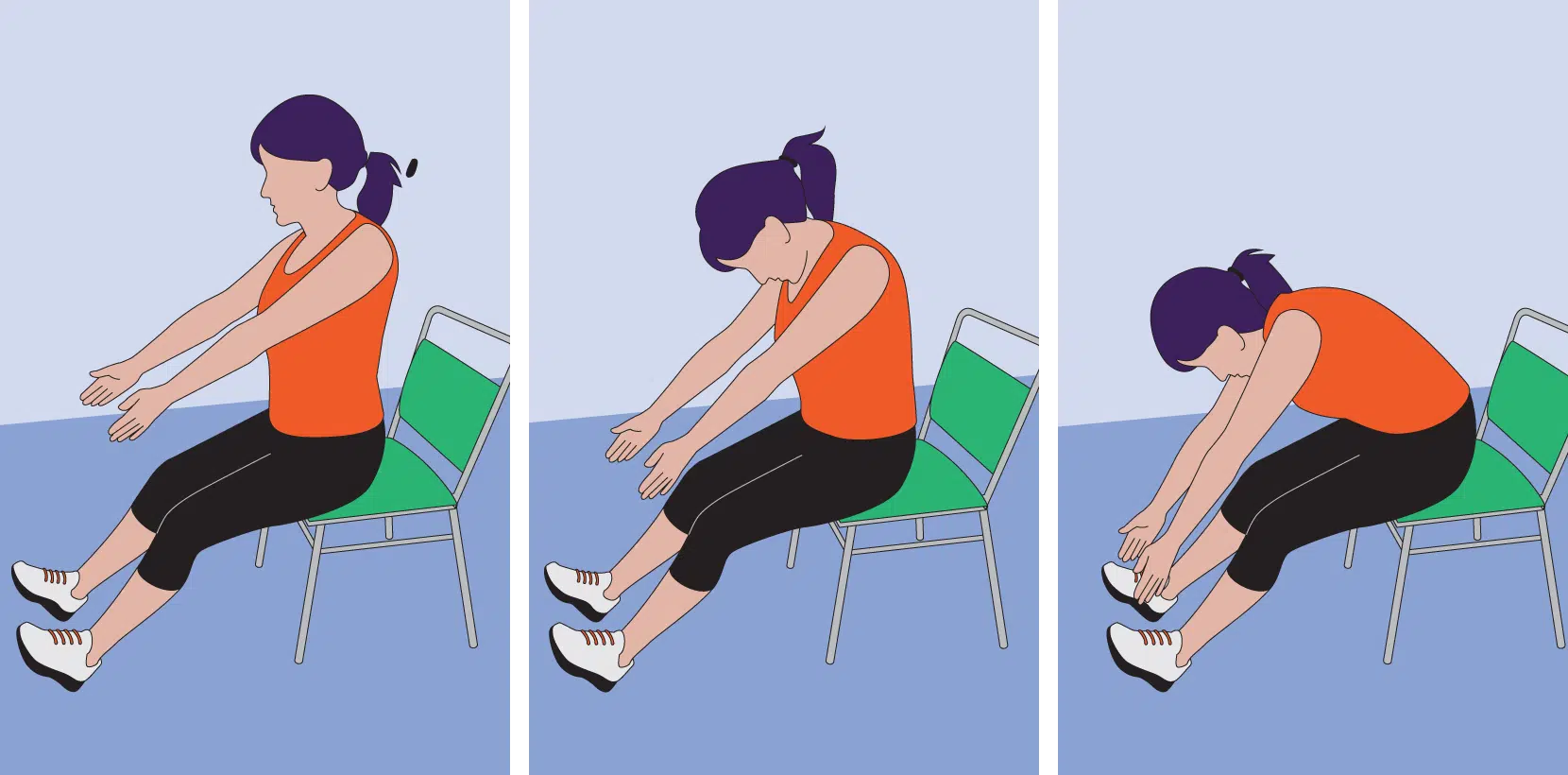
Credit: www.lifeline.ca
Standing Core Workouts
Standing core workouts help seniors build strength without straining joints. These exercises improve balance, stability, and posture. They also engage the abdominal muscles while allowing gentle movement. Standing workouts reduce the risk of falls and increase daily mobility. They fit well into simple routines for seniors at any fitness level.
Spinal Twists
Spinal twists strengthen the core and improve flexibility. Stand with feet shoulder-width apart. Place hands on hips or extend arms at shoulder height. Slowly twist the upper body to the right, keeping hips facing forward. Hold for a moment, then return to center. Repeat by twisting to the left. Keep movements slow and controlled. This exercise helps stretch the spine and works the oblique muscles.
Bird-dog
The bird-dog exercise improves balance and core stability. Stand tall with feet hip-width apart. Extend the right arm forward and the left leg backward. Keep your back straight and hold this position for a few seconds. Return to the starting position and switch sides. Move slowly to maintain control. Bird-dog activates the deep core muscles and supports better posture. It also challenges coordination in a safe, standing position.
Breathing And Control
Breathing and control are essential for safe and effective ab workouts for seniors. Proper breathing helps deliver oxygen to muscles and supports steady movement. Control ensures exercises target the right muscles without strain or injury.
Focusing on breathing and control can improve posture and core strength. It also reduces the risk of dizziness or discomfort during exercise. Seniors benefit from slow, mindful breathing combined with smooth, controlled movements.
Breathing Techniques
Inhale deeply through the nose before starting each movement. Exhale slowly through the mouth during the effort phase of the exercise. This breathing pattern helps maintain stability and focus.
Do not hold your breath. Holding breath can cause tension and increase blood pressure. Keep your breathing steady and relaxed throughout the workout.
Practice belly breathing by expanding the abdomen as you inhale. This technique engages the diaphragm and supports the core muscles. It also helps seniors stay calm and balanced.
Movement Pace
Move slowly and deliberately during each repetition. Slow movements increase muscle engagement and reduce the chance of injury. Avoid rushing through exercises.
Pause briefly at the peak of each movement to feel the muscles working. This pause improves control and builds strength effectively. Maintain good posture and alignment throughout.
Slow movement also allows time to focus on breathing and muscle activation. This combination makes ab workouts more effective and safer for seniors.
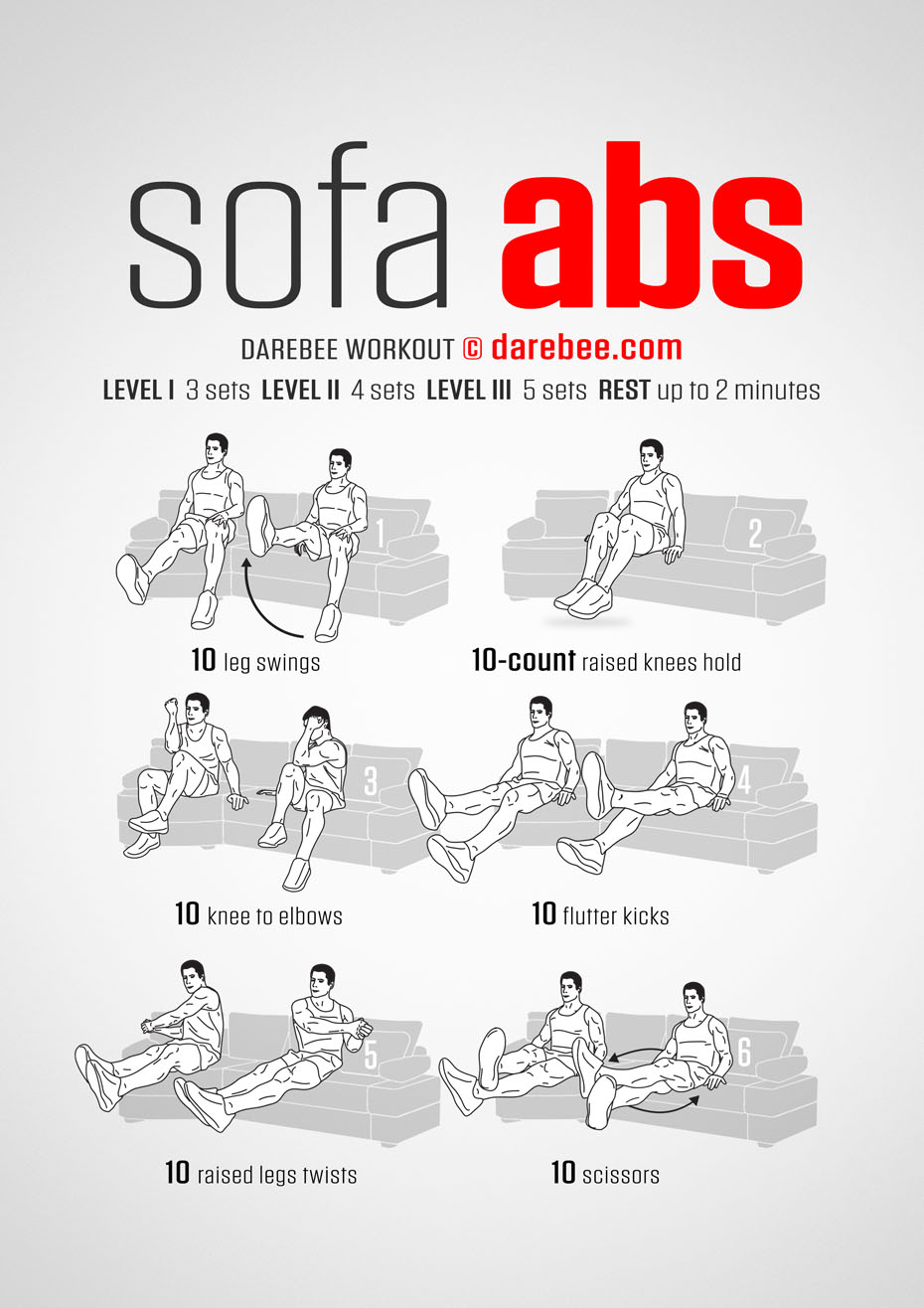
Credit: vicentetorns.com
Balance And Stability Tips
Balance and stability form the foundation of effective ab workouts for seniors. Strengthening these areas helps prevent falls and supports daily movements. Simple tips can enhance balance while improving core strength safely.
Focusing on balance and stability allows seniors to perform ab exercises with confidence. It reduces the risk of injury and promotes better body control. Small changes in technique make a big difference.
Modifications For Safety
Always choose exercises that match your current fitness level. Use chairs or walls for support during standing moves. Avoid sudden twists or fast motions that may cause loss of balance.
Modify floor exercises by performing them on a bed or cushioned surface. Keep movements slow and controlled to maintain stability. Stop immediately if you feel pain or dizziness.
Posture Focus
Good posture improves core engagement and balance. Sit or stand tall with shoulders relaxed and back straight. Engage your abdominal muscles gently to support your spine.
Practice breathing deeply while holding your posture. Avoid slouching or leaning forward during exercises. Proper posture helps prevent strain and enhances workout benefits.
Getting Started Safely
Starting ab workouts safely helps seniors build strength without risk. Core exercises improve balance, posture, and daily movement. Taking precautions reduces injury chances and promotes steady progress.
Simple seated and floor exercises work well. Focus on slow, controlled motions and proper breathing. Modifications help if balance or pain is a concern. Safety is the top priority before increasing intensity.
Consulting Healthcare Providers
Speak with your doctor before beginning ab workouts. They understand your health history and limits best. A healthcare provider can suggest exercises that fit your needs.
Discuss any current conditions like arthritis or back pain. These may affect which exercises are safe. Your doctor might recommend physical therapy or specific modifications.
Listening To Your Body
Pay close attention to how your body feels during workouts. Stop immediately if you feel sharp pain or dizziness. Mild muscle soreness is normal but should not be severe.
Take breaks and adjust exercises if needed. Gradually increase time and repetitions as strength improves. Rest days help muscles recover and prevent overuse injuries.
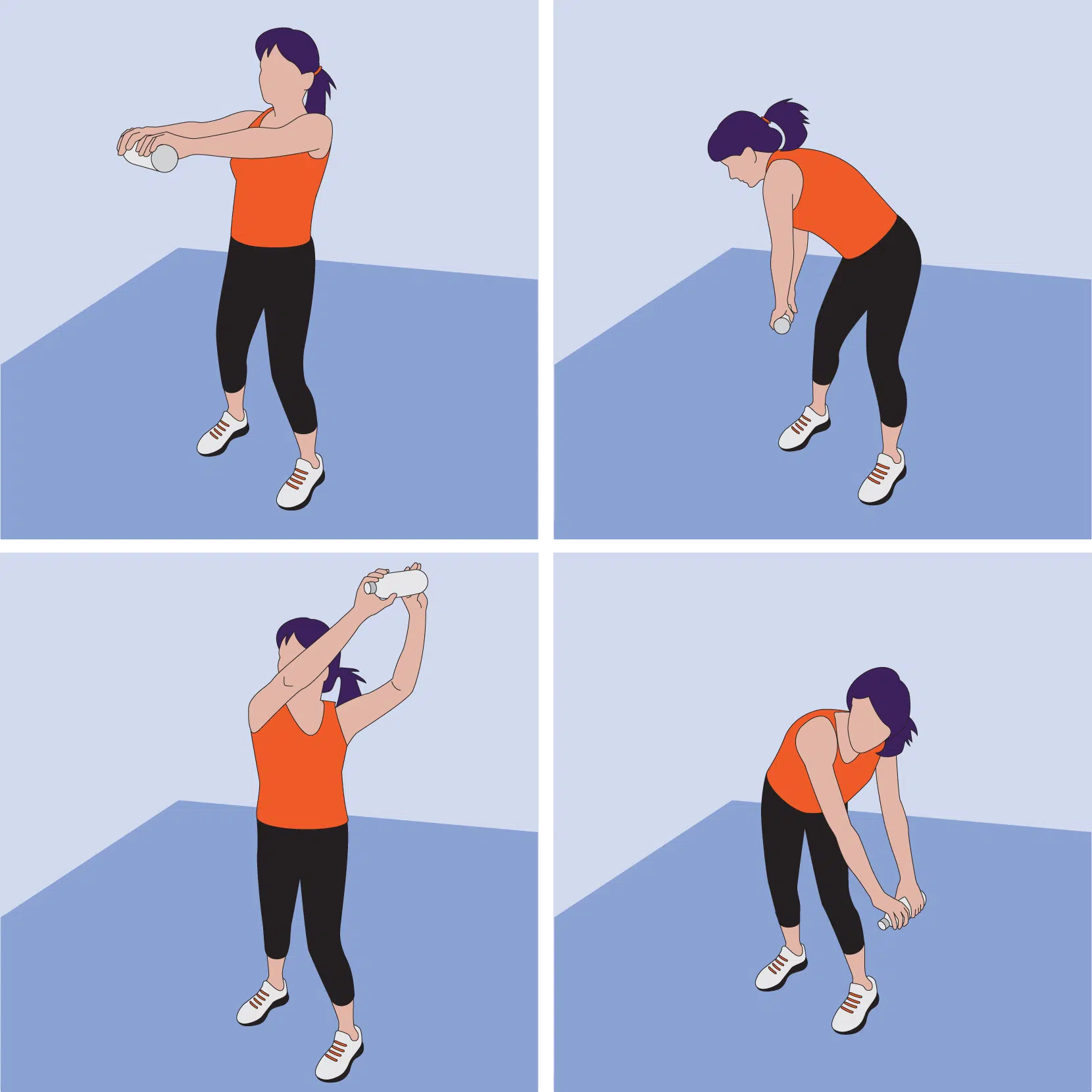
Credit: www.lifeline.ca
Frequently Asked Questions
What Is The Best Stomach Exercise For Seniors?
The best stomach exercises for seniors include seated abdominal bracing, modified planks, and gentle bridges. These improve core strength safely.
How Can I Tighten My Abs After 65?
Tighten abs after 65 with gentle core exercises like seated abdominal bracing, modified planks, and bridges. Stay consistent and breathe properly. Include walking or swimming to reduce belly fat. Always consult a doctor before starting new workouts for safety and best results.
How Do I Strengthen My Core After 70?
Strengthen your core after 70 with seated abdominal bracing, side bends, heel slides, bridges, deadbugs, and modified planks. Focus on controlled movements and proper breathing. Consult your doctor before starting any exercise routine.
What Are The 5 Exercises For Seniors To Lose Belly Fat Free?
Five free exercises for seniors to lose belly fat include abdominal bracing, seated side bends, seated knee lifts, bridges, and modified planks. These strengthen core muscles, improve posture, and support fat loss safely. Perform movements slowly and focus on breathing for the best results.
Conclusion
Ab workouts help seniors build core strength and improve balance. Start with simple, seated exercises to stay safe and steady. Consistent practice boosts posture and supports daily activities. Always move slowly and breathe deeply during each exercise. Consult your doctor before beginning any new workout routine.
Enjoy the journey to a stronger, healthier core at any age. Small steps lead to lasting benefits. Keep going and feel the positive changes in your body.