Are you looking for simple and safe ways to stay active right at home? Floor exercises for seniors might be exactly what you need.
These moves are designed to help you build strength, improve balance, and increase flexibility—all crucial for staying independent and preventing falls. You don’t need fancy equipment or a gym membership to get started. By focusing on gentle, easy-to-follow exercises, you can boost your energy and confidence day by day.
Keep reading to discover the best floor exercises tailored just for you, and take the first step toward feeling stronger and more vibrant every day.
Benefits For Seniors
Floor exercises offer many benefits for seniors. They improve health and quality of life. These exercises are gentle and can be adapted for different ability levels. Regular practice helps maintain independence and boosts confidence. Seniors can enjoy stronger bodies and better movement with simple routines.
Fall Prevention
Falls are a major risk for seniors. Floor exercises strengthen muscles that support balance. Improved balance helps reduce the chance of falling. Exercises like bridges and leg raises build stability. Seniors gain better control over movements and reactions.
Functional Strength
Functional strength means being able to do daily tasks easily. Floor workouts target key muscle groups. This helps with activities like standing up or climbing stairs. Stronger muscles reduce fatigue and increase endurance. Seniors feel more capable and independent in daily life.
Bone And Joint Health
Floor exercises promote healthy bones and joints. Weight-bearing moves stimulate bone growth and strength. Gentle movements keep joints flexible and reduce stiffness. This lowers the risk of osteoporosis and arthritis pain. Consistent exercise supports long-term mobility and comfort.

Credit: www.amazon.com
Core Floor Moves
Core floor moves help seniors build strength and stability safely. These exercises target the muscles around the belly and lower back. A strong core supports balance and reduces fall risk. Core exercises done on the floor also improve posture and flexibility. Keep movements slow and controlled to avoid injury. Here are three simple core floor moves that seniors can try at home.
Bridge
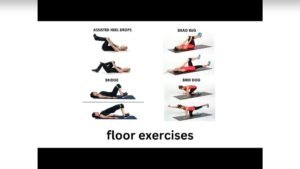
Lie on your back with knees bent and feet flat on the floor. Keep your arms by your sides. Slowly lift your hips toward the ceiling. Hold the position for a few seconds. Lower your hips back down gently. Repeat 8 to 10 times. The bridge strengthens your lower back and hips.
Opposite Arm And Leg Raise
Start on your hands and knees with a straight back. Extend your right arm forward while lifting your left leg backward. Hold for a few seconds. Return to the starting position. Switch to the left arm and right leg. Repeat 8 times on each side. This move improves balance and core strength.
Modified Plank
Begin on your hands and knees with your wrists under your shoulders. Tighten your abdominal muscles. Keep your back flat and hold the position for 10 to 20 seconds. Rest and repeat 3 to 5 times. The modified plank strengthens your entire core safely.
Lower Body Exercises
Lower body exercises help seniors maintain strength and stability. They support everyday movements like walking, standing, and climbing stairs. Regular practice improves balance and reduces fall risk. These exercises focus on the legs, hips, and pelvis, key areas for mobility and independence.
Chair Squats
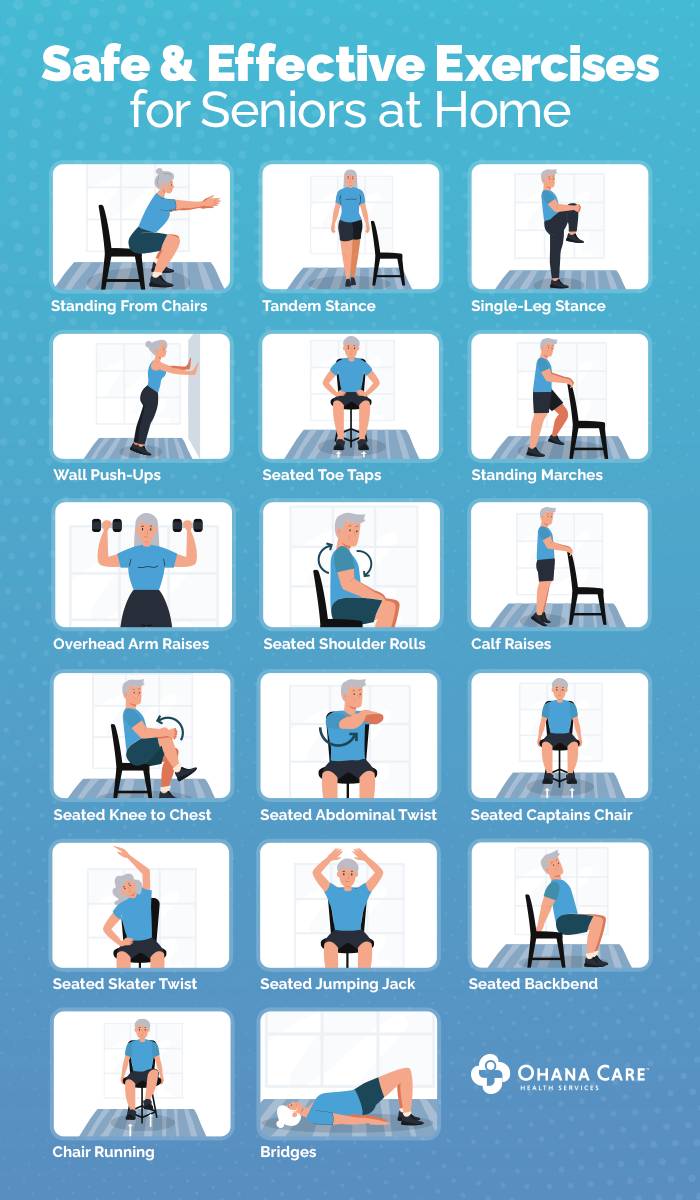
Chair squats build leg and hip muscles safely. Begin by sitting on a chair with your feet flat. Slowly stand up without using your hands. Then, sit back down with control. Repeat this movement 10 to 15 times. It helps improve strength and balance.
Leg Raises
Leg raises strengthen hips and thighs, aiding mobility. Lie on your side with legs straight. Slowly lift the top leg up and down. Keep movements slow and steady. Repeat 10 times on each side. This exercise improves hip flexibility and stability.
Pelvic Lifts And Tilts
Pelvic lifts and tilts strengthen the lower back and hips. Lie on your back with knees bent and feet flat. Gently lift your hips toward the ceiling, then lower back down. For tilts, flatten your lower back against the floor by tightening your belly. Hold briefly and release. Repeat both exercises 10 times. These moves support core and pelvic strength.
Balance And Flexibility
Balance and flexibility are key to staying independent and preventing falls. As we age, these skills often decline, but simple floor exercises can help maintain and improve them. Keeping your body steady and flexible supports everyday movements and boosts confidence.
Single-leg Stands
Single-leg stands are simple yet powerful for balance. Stand near a chair or wall for support. Lift one foot off the ground and hold the position for 10 to 20 seconds. Switch legs and repeat. This exercise strengthens your ankles and improves body control. Practice daily to build stability and reduce fall risk.
Heel-to-toe Walking
Heel-to-toe walking improves coordination and balance. Walk in a straight line, placing the heel of one foot directly in front of the toes of the other. Take slow, steady steps. This exercise trains your brain and body to work together for steadier walking. Do this for 10 to 15 steps during each session.
Yoga And Tai Chi
Yoga and Tai Chi combine gentle movements to enhance flexibility and balance. These exercises stretch muscles and improve joint mobility. They also focus on breathing and concentration, which helps body awareness. Regular practice can increase strength, reduce stiffness, and calm the mind. Many seniors find these exercises enjoyable and relaxing.
Upper Body Strength
Building upper-body strength is important for seniors. It helps with daily tasks like lifting and carrying objects. Strong arms, shoulders, and back improve balance and reduce fall risk. Floor exercises can safely increase upper-body power and mobility.
Wall Push-ups
Wall push-ups are gentle on the joints. Stand facing a wall, feet shoulder-width apart. Place your hands on the wall at chest height. Slowly bend your elbows and lean toward the wall. Push back to the starting position. Repeat 10 to 15 times. This exercise strengthens the chest, shoulders, and arms.
Wood Chops
Wood chops improve shoulder and core strength. Sit or stand with a light weight or small ball. Hold it with both hands. Move the weight from one side near your hip up diagonally across your body. Reach above the opposite shoulder. Return slowly. Repeat 10 times on each side. This motion mimics chopping wood and tones upper body muscles.
Superman Exercise
The Superman exercise targets the back and shoulders. Lie face down on the floor. Stretch your arms forward and legs straight back. Lift your arms, chest, and legs off the floor gently. Hold for 3 to 5 seconds. Lower back down slowly. Repeat 8 to 12 times. This move strengthens the spine and improves posture.
Starting Safely
Starting floor exercises safely is important for seniors. It helps avoid injury and builds confidence. Taking simple steps before beginning makes a big difference. Focus on safety to enjoy the benefits fully.
Consult Your Doctor
Check with your doctor before starting any exercise. Share your health history and concerns. Your doctor can suggest safe exercises for your body. This step protects your health and guides your routine.
Progress Gradually
Begin with easy exercises and low intensity. Increase difficulty slowly over days or weeks. This approach helps your muscles adapt and grow stronger. It reduces the chance of pain or injury.
Listen To Your Body
Pay close attention to how you feel during exercises. Stop if you feel pain or discomfort. Rest and modify movements to avoid strain. Your body will tell you what works best.
Tips For Success
Success with floor exercises for seniors depends on smart, gentle habits. These tips help make exercise safe and effective. They reduce injury risk and build confidence. Use these guidelines to enjoy each session and see steady progress.
Start Small
Begin with simple moves and low intensity. Small steps help your body adjust to new activity. This reduces soreness and frustration. Focus on mastering form before increasing difficulty. Consistency matters more than speed or reps.
Break Exercise Into Sessions
Split exercises into shorter sessions throughout the day. This avoids fatigue and keeps energy high. Short breaks improve focus and reduce strain. Try two or three sessions instead of one long workout. This approach fits well with daily routines.
Adjust Pace And Distance
Move at a comfortable pace for your body. Slow, steady motions build strength safely. Change distance or repetitions based on how you feel. Listen to your body’s signals and rest as needed. Gradual changes help maintain motivation and prevent injury.
Credit: ohanacare.ca

Credit: www.50plusphysio.com
Frequently Asked Questions
What Are Good Floor Exercises For Seniors?
Good floor exercises for seniors include bridges, opposite arm and leg raises, and modified planks. These improve core strength, balance, and flexibility safely.
What Is The Number One Exercise For Seniors At Home?
Chair squats (sit-to-stands) rank as the top exercise for seniors at home. They strengthen legs, improve balance, and aid daily movements. This exercise reduces fall risks and boosts overall mobility safely and effectively.
How Can Seniors Flatten Their Stomach?
Seniors can flatten their stomach by doing core-strengthening exercises like modified planks, bridges, and leg raises regularly. Combining these with a healthy diet and gentle cardio boosts results. Consistency and gradual progress prevent injury and improve balance and posture. Always consult a healthcare provider first.
How Far Should a 70-Year-Old Walk Every Day?
A 70-year-old should aim to walk 1. 5 to 3 miles daily, about 30 to 60 minutes, based on health and stamina.
Conclusion
Floor exercises help seniors stay strong and balanced every day. These moves improve flexibility and support joints gently. Regular practice reduces fall risks and boosts confidence in daily tasks. Start slow and keep consistent for best results. Always check with a doctor before beginning any exercise routine.
Staying active on the floor can lead to a healthier, happier life. Simple steps make a big difference over time. Give these exercises a try and enjoy greater ease in movement.