Are you finding it harder to move your legs comfortably or keep your balance as you age? You’re not alone, and the good news is that simple leg stretching exercises can make a big difference in how you feel every day.
Stretching your legs not only helps reduce stiffness and pain but also improves your flexibility and mobility, making daily tasks easier and safer. You’ll discover easy and effective leg stretches designed specifically for seniors like you—no complicated moves, no special equipment needed.
Ready to feel more confident on your feet and enjoy greater freedom of movement? Keep reading to learn the best stretches that fit your pace and lifestyle.
Upper Body Stretches
Upper body stretches help seniors improve flexibility and reduce stiffness. These stretches gently loosen muscles in the neck, shoulders, and chest. Regular practice enhances posture and eases daily movements.
Perform each stretch slowly. Focus on steady breathing. Use a chair or wall for support if needed.
Neck Rolls
Start by sitting or standing tall. Slowly drop your chin toward your chest. Roll your head gently to one side, then backward, and around in a circle. Repeat in the opposite direction. Keep movements smooth and avoid sudden jerks.
Shoulder Rolls
Sit or stand with your back straight. Lift your shoulders toward your ears. Roll them backward in a circular motion. Do this ten times. Then reverse the direction, rolling shoulders forward. This exercise releases tension in the upper back and neck.
Chest Opener
Clasp your hands behind your back. Pull your shoulders gently backward. Lift your chest up and forward. Hold this position for 15 to 30 seconds. This stretch opens the chest and improves breathing.
Overhead Side Stretch
Raise one arm overhead. Lean your upper body to the opposite side slowly. Keep your hips steady. Hold for 15 seconds. Switch arms and repeat. This stretch lengthens the sides of the torso and improves flexibility.
Lower Body Stretches
Lower body stretches help seniors stay active and mobile. These exercises improve leg flexibility and reduce stiffness. They also support balance and prevent falls. Performing these stretches regularly promotes better circulation and eases joint pain. Each stretch targets key muscle groups in the legs and hips. Seniors can do these exercises safely at home with little or no equipment.
Seated Knee-to-chest
Sit comfortably on a chair with your back straight. Slowly lift one knee towards your chest. Use your hands to gently pull the knee closer. Hold the stretch for 15 to 20 seconds. Switch to the other leg and repeat. This stretch loosens hip muscles and improves lower back flexibility.
Standing Quadriceps Stretch
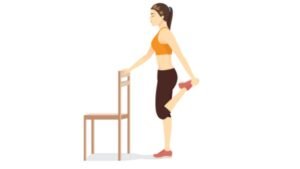
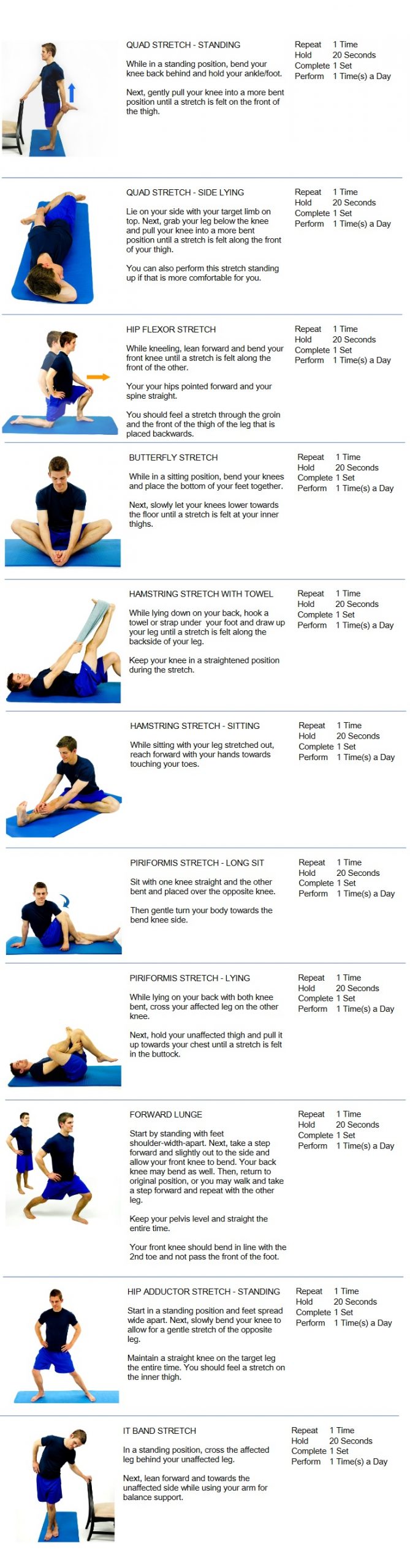
Stand near a wall or chair for support. Bend one knee and hold your ankle behind you. Keep your knees close together. Pull your ankle gently towards your buttocks. Hold the stretch for 20 seconds without bouncing. Change legs and repeat. This stretch targets the front thigh muscles, reducing tightness.
Calf Stretch
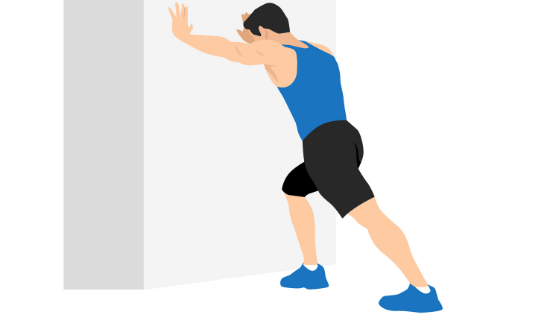
Stand facing a wall with both hands resting on it. Step one foot back and keep the heel on the floor. Keep the back leg straight and bend the front knee slightly. Lean forward gently until you feel a stretch in the calf. Hold for 20 seconds, then switch legs. This stretch improves ankle flexibility and calf muscle strength.
Hamstring Stretch
Sit on the edge of a sturdy chair with one leg extended straight. Keep your back straight and toes pointed up. Slowly lean forward from your hips toward your extended leg. Stop when you feel a gentle stretch behind your thigh. Hold for 15 to 20 seconds, then switch legs. This stretch helps reduce tightness in the hamstrings and improves mobility.
Spine And Core Moves
Spine and core moves help seniors improve posture and balance. These exercises stretch the back and strengthen the core muscles. A strong core supports the spine and reduces pain. Regular practice increases flexibility and eases daily movements. Two simple exercises are Cat-Cow and Seated Spinal Twist.
Cat-cow
Start on your hands and knees or sit comfortably. Inhale and arch your back gently, lifting your chest and tailbone. This is the Cow position. Exhale and round your spine, tucking your chin and tailbone. This is the Cat position. Repeat slowly five to ten times. This movement warms up the spine and relieves stiffness.
Seated Spinal Twist
Sit upright in a sturdy chair with your feet flat on the floor. Place your right hand on the outside of your left thigh. Gently twist your upper body to the left, looking over your shoulder. Hold the position for 15 to 30 seconds. Return to center and repeat on the other side. This stretch improves spinal mobility and eases tension.

Credit: www.researchgate.net
Loosening Tight Leg Muscles
Tight leg muscles can limit movement and cause discomfort in seniors. Loosening these muscles helps improve flexibility and reduces pain. Regular care is important to keep legs feeling good and strong.
Using gentle methods to relax leg muscles supports better balance and mobility. This section covers safe ways to ease tightness and prepare muscles for stretching exercises.
Heat Therapy
Applying heat warms tight muscles and increases blood flow. Use a warm towel or heating pad for 15 to 20 minutes. Heat helps muscles relax, making stretching easier and less painful.
Gentle Stretching
Start with mild stretches to gently lengthen muscles. Hold each stretch for 15 to 30 seconds without bouncing. Focus on hamstrings, calves, and quadriceps to reduce stiffness.
Foam Rolling And Massage
Foam rolling releases muscle knots and improves flexibility. Roll slowly over tight areas for 30 to 60 seconds. Massage with hands or tools can also relieve tension and boost circulation.
Gentle Movement
Light activities like walking or slow leg lifts keep muscles active. Moving regularly prevents muscles from becoming stiff. Gentle motion supports overall leg health and prepares muscles for deeper stretches.
Tips For Safe Stretching
Stretching legs safely is vital for seniors to stay active and avoid injuries. Proper technique helps muscles loosen without strain. Follow these key tips to stretch with care and confidence.
Warm-up Routine
Start with a gentle warm-up to prepare your muscles. Light walking or marching in place for 5 minutes works well. This increases blood flow and reduces stiffness. Never stretch cold muscles. Warm muscles stretch more easily and safely.
Breathing Techniques
Breathe deeply and steadily while stretching. Inhale slowly through your nose and exhale through your mouth. Controlled breathing relaxes muscles and improves oxygen flow. Avoid holding your breath. This keeps your body calm and enhances stretch effectiveness.
Using Support
Use a sturdy chair, wall, or railing for balance. Support helps prevent falls and maintains proper posture. This is especially important for seniors with limited stability. Hold the support lightly; avoid leaning too hard. Support allows you to stretch further and safer.
Avoiding Pain
Stretch only until you feel mild tension, never sharp pain. Pain signals muscle or joint stress. Stop immediately if pain occurs. Move slowly and gently to avoid injuries. Gradual progress improves flexibility without harm. Listen to your body and respect its limits.
Consulting A Doctor
Check with your doctor before starting new stretches. Medical advice ensures exercises suit your health condition. Some health issues may require modified movements. A doctor can guide safe practices based on your needs. This step prevents complications and promotes well-being.
Long-term Flexibility Care
Maintaining long-term flexibility is essential for seniors to enjoy an active and independent life. Consistent leg stretching helps keep muscles and joints supple. It reduces stiffness and lowers the risk of injuries. A proper routine supports better balance and mobility, crucial for daily activities.
To protect flexibility over time, seniors must combine stretching with good habits. Careful attention to hydration, nutrition, warm-up, cool-down, physical therapy, and rest improves results. These elements work together to maintain healthy muscles and joints for years.
Hydration And Nutrition
Water keeps muscles soft and joints lubricated. Seniors should drink water regularly throughout the day. Proper nutrition fuels muscle repair and growth. Eating foods rich in protein, vitamins, and minerals supports flexibility. Calcium and vitamin D strengthen bones, reducing injury risks. Balanced meals enhance energy for daily stretching exercises.
Warm-up And Cool-down
Warming up prepares muscles for stretching. Gentle movements like walking increase blood flow. Warm muscles stretch more easily and safely. Cooling down relaxes muscles after exercise. Slow, gentle stretches reduce soreness and stiffness. Both warm-up and cool-down prevent injuries and aid recovery.
Physical Therapy
Physical therapy helps seniors improve flexibility safely. Therapists design exercises tailored to individual needs. They correct posture and movement patterns. Therapy also manages pain and joint problems. Regular sessions boost progress and prevent setbacks. Professional guidance ensures stretches are done correctly.
Rest And Recovery
Muscles need time to heal after stretching. Rest days prevent overuse injuries and fatigue. Good sleep supports muscle repair and flexibility gains. Seniors should listen to their bodies and avoid pushing too hard. Balanced activity and rest lead to steady improvement over time.
When To Seek Medical Help
Stretching exercises are helpful for seniors to keep legs flexible and strong. Sometimes, certain signs mean it is time to seek medical help. Knowing these signs ensures safety and prevents worsening problems. Pay close attention to any unusual or painful feelings during or after stretching.
Signs To Watch For
Watch for persistent pain that does not improve with rest. Swelling, redness, or warmth in the leg could indicate an infection or blood clot. If you feel numbness or weakness, do not ignore it. These signs may need professional evaluation.
Sudden Or Severe Stiffness
Sudden stiffness that limits movement is a warning sign. Severe stiffness that lasts more than a few hours needs a doctor’s checkup. This stiffness could be caused by injury, arthritis flare-up, or other conditions.
Nerve Or Circulation Issues
Tingling, burning, or sharp pain may show nerve problems. Coldness or bluish color in the leg could mean poor circulation. Seek medical advice quickly if you notice these symptoms. Early treatment helps prevent serious health risks.
Credit: activechiro.ca
Credit: www.onemedical.com
Frequently Asked Questions
What Are Good Stretching Exercises For Seniors?
Good stretching exercises for seniors include neck rolls, shoulder rolls, seated hamstring stretches, calf stretches, doorway chest stretches, cat-cow, and ankle circles. Perform them slowly with deep breaths, use a chair for support, and always warm up first with light walking.
How To Loosen Extremely Tight Leg Muscles?
Apply heat using warm baths or heating pads to relax muscles. Perform gentle hamstring, quad, and calf stretches daily. Use foam rollers or massage balls for self-massage. Stay hydrated and rest well. Consistently warm up before activities and cool down afterward to prevent tightness.
What Is The Best Leg Exercise For Seniors?
The best leg exercise for seniors is the seated knee-to-chest stretch. It improves flexibility, strength, and reduces injury risk safely.
Can A 70 Year Old Regain Flexibility?
Yes, a 70-year-old can regain flexibility through gentle stretching and regular exercise. Consistent practice improves muscle elasticity and joint mobility safely.
Conclusion
Stretching legs regularly helps seniors stay active and reduce stiffness. Simple exercises like seated hamstring stretches and calf stretches improve flexibility. Using support, such as a chair, keeps balance steady and safe. Always start with a gentle warm-up to prepare muscles.
Deep breathing during stretches eases tension and boosts relaxation. Stop any stretch that causes pain or discomfort immediately. Consistent practice builds strength and helps maintain independence. Staying flexible supports better movement and reduces injury risks. Seniors can enjoy daily activities more with regular leg stretching.
Keep moving gently and listen to your body’s needs.