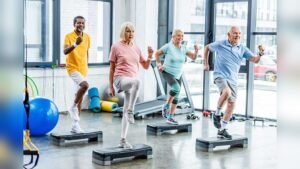
Are you looking for a simple way to stay active, boost your energy, and improve your overall health? Aerobic exercise for seniors might be exactly what you need.
Whether you want to keep your heart strong, increase your stamina, or just feel better every day, aerobic activities can make a big difference. Best of all, these exercises are easy to do, gentle on your joints, and can fit into your daily routine.
Keep reading to discover how aerobic exercise can help you live a healthier, happier life—and learn some great ways to get started safely and effectively. Your body will thank you!
Benefits Of Aerobic Exercise
Aerobic exercise offers many benefits for seniors. It helps improve overall health and quality of life. Regular aerobic activities keep the body strong and the mind sharp. Simple activities like walking, swimming, or cycling can make a big difference.
These exercises help the heart, boost energy, and support mental health. They also improve mobility and balance, reducing the risk of falls. Seniors who stay active often enjoy greater independence and happiness.
Improved Heart Health
Aerobic exercise strengthens the heart muscle. It helps lower blood pressure and reduces bad cholesterol. This lowers the risk of heart disease and stroke. A healthy heart means better blood flow and more oxygen to the body. Seniors can feel more energetic and live longer with a strong heart.
Increased Energy Levels
Regular aerobic activity boosts stamina and energy. It helps the body use oxygen better. As a result, everyday tasks become easier. Seniors often feel less tired and more active. This helps them enjoy hobbies and time with family.
Enhanced Mental Wellness
Aerobic exercise releases chemicals that improve mood. It can reduce anxiety and depression symptoms. Exercise also helps improve memory and focus. Staying active supports brain health and slows cognitive decline. Seniors feel happier and more confident.
Better Mobility And Balance
Aerobic activities improve muscle strength and joint flexibility. This helps seniors move more easily and with less pain. Better balance reduces the risk of falls and injuries. It supports independence and daily living activities. Walking and dancing are great ways to build balance and coordination.
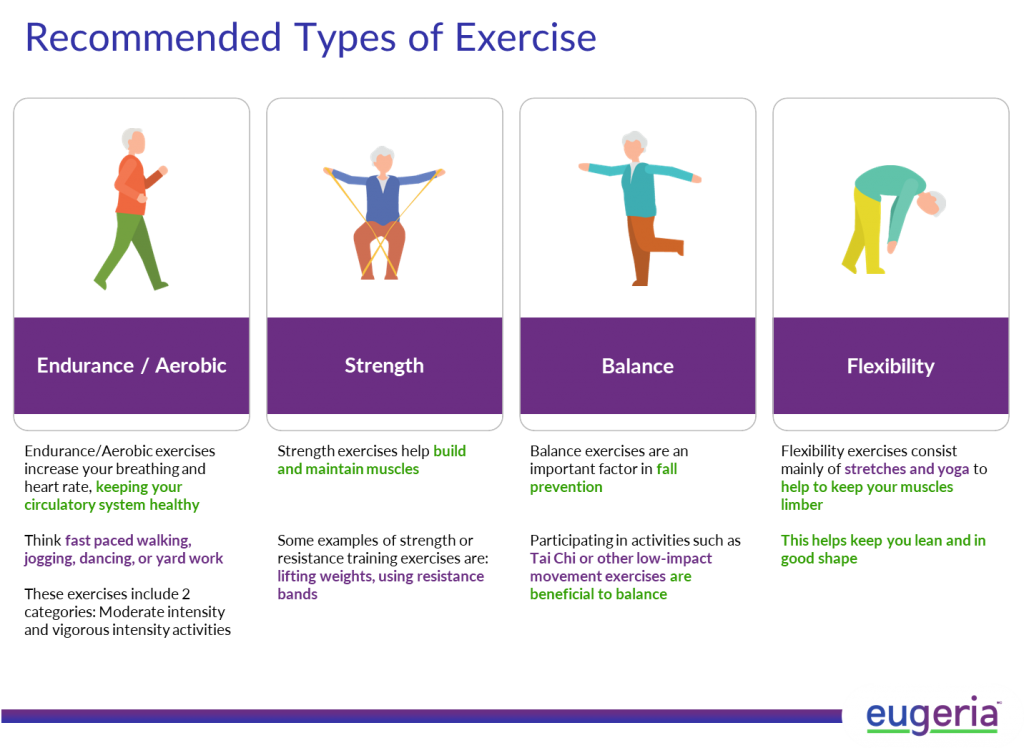
Credit: www.pamsteele.org
Safe Aerobic Activities For Seniors
Aerobic exercise helps seniors stay healthy and active. Choosing safe activities is key to prevent injuries. These exercises improve heart health, boost energy, and aid mental well-being.
Safe aerobic activities allow seniors to enjoy movement without strain. They support balance and strength while being gentle on joints.
Walking And Nordic Walking
Walking is a simple and effective aerobic exercise for seniors. It requires no special equipment and can be done anywhere. Nordic walking uses poles to reduce joint stress and improve posture. This activity helps increase stamina and supports cardiovascular health.
Water Aerobics
Water aerobics is gentle on the joints and muscles. The water’s buoyancy reduces impact, making movement easier. It improves strength, flexibility, and balance. Water exercises also provide resistance to help build muscle without strain.
Stationary Cycling
Stationary cycling offers a low-impact workout for seniors. It strengthens leg muscles and improves heart health. This exercise can be done indoors, ensuring safety and comfort. Adjustable settings allow seniors to control intensity.
Low-impact Dance
Low-impact dance is a fun way to stay active. It improves coordination and balance while boosting mood. Gentle movements reduce stress on joints. Dancing also encourages social interaction and mental alertness.
Top Exercises To Boost Strength
Building strength is essential for seniors to maintain independence and improve daily life. Simple aerobic exercises can help boost muscle power safely. These moves target key muscle groups, increasing stability and mobility. Performing these exercises regularly supports better balance and reduces fall risk. Each exercise can be done at home with little or no equipment.
Chair Squats
Chair squats strengthen the legs and hips. Start by sitting in a sturdy chair. Stand up slowly using your leg muscles, then sit back down. Keep your feet flat and back straight. Repeat 10 to 15 times. This exercise improves leg power and balance.
Leg Raises
Leg raises work the thigh and hip muscles. Sit or lie down comfortably. Lift one leg straight up without bending the knee. Hold for a few seconds, then lower it slowly. Do 10 to 12 repetitions per leg. This move helps increase leg strength and joint flexibility.
Calf Raises
Calf raises build strength in the lower legs. Stand behind a chair and hold it for support. Rise up on your toes as high as possible. Hold briefly, then lower your heels back down. Perform 15 to 20 repetitions. This exercise enhances ankle stability and walking ability.
Single Foot Stand
The single foot stand improves balance and leg strength. Stand near a chair or wall for support. Lift one foot off the ground and hold the position. Try to balance for 10 to 20 seconds. Switch legs and repeat. This simple exercise reduces fall risk by boosting stability.
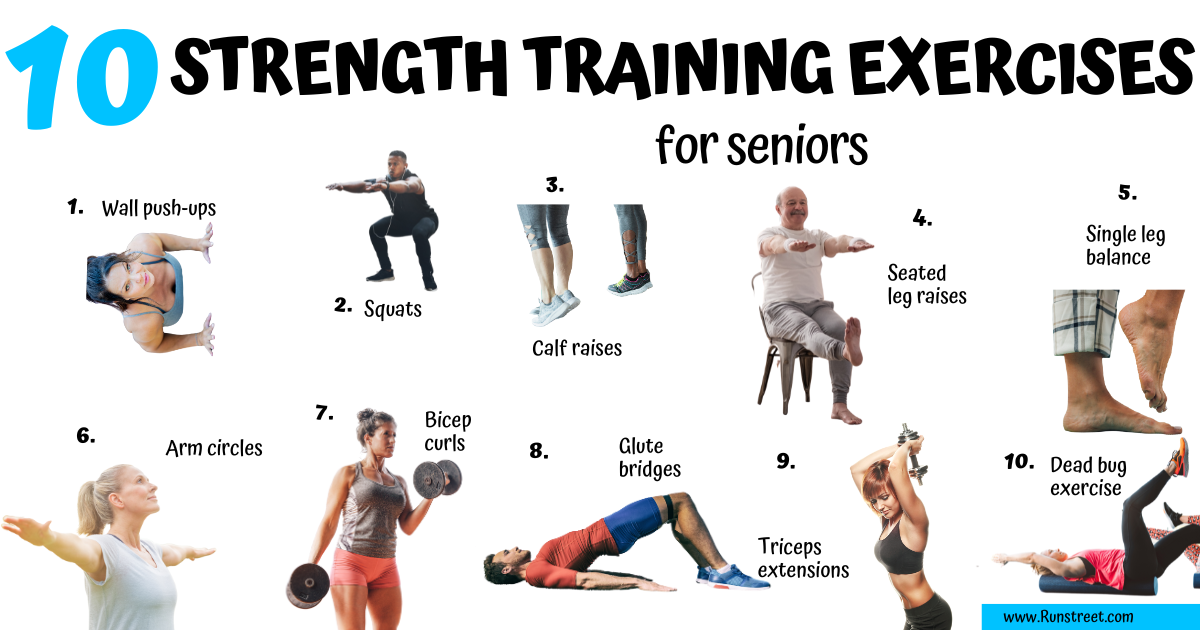
Credit: www.runstreet.com
Incorporating Flexibility And Balance
Incorporating flexibility and balance into aerobic exercise is vital for seniors. These elements help maintain mobility and reduce fall risks. Improving flexibility allows joints to move freely. Enhancing balance supports better stability during daily activities.
Simple routines can boost both flexibility and balance safely. Regular practice encourages muscle strength and joint health. It also promotes confidence in movement, which is essential for independence.
Gentle Stretching Routines
Start with gentle stretches that target major muscle groups. Stretching warms up muscles and increases blood flow. Focus on the neck, shoulders, arms, and legs. Hold each stretch for 15 to 30 seconds without bouncing. This method prevents injuries and improves flexibility gradually.
Simple stretches like reaching for the toes or side bends help lengthen muscles. Consistency is key; daily practice yields the best results. Stretching also relaxes muscles and reduces stiffness.
Balance Drills
Balance drills improve coordination and prevent falls. Practice standing on one foot while holding onto a chair for support. Gradually increase the time as strength improves. Heel-to-toe walking is another effective drill. Walk in a straight line, placing one foot directly in front of the other.
Use small movements to challenge balance without risking injury. These drills train the nervous system to react quickly to changes in position. Regular balance exercises build confidence and stability.
Chair Yoga Poses
Chair yoga offers a safe way to enhance flexibility and balance. It adapts traditional yoga poses for seated or supported positions. Poses like seated cat-cow stretches loosen the spine and improve posture. Seated twists help maintain spinal mobility.
Chair yoga also strengthens the core muscles, essential for balance. It is gentle on joints and easy to follow. Seniors gain flexibility, strength, and calmness through these movements.
Creating A Weekly Workout Plan
Creating a weekly workout plan helps seniors stay active and healthy. It provides structure and balance to exercise routines. A good plan mixes different types of activities. It also allows time for rest and recovery. Planning workouts carefully reduces injury risks and keeps motivation high.
Combining Cardio And Strength
Include both aerobic and strength exercises in the weekly plan. Cardio exercises like walking or swimming improve heart health. Strength training helps build muscle and support joints. Aim for at least 150 minutes of moderate cardio per week. Add strength exercises two or three times weekly. This mix enhances endurance, balance, and overall fitness.
Scheduling Rest Days
Rest days are essential for recovery and injury prevention. Plan at least one or two rest days each week. Use these days for gentle stretching or light activity. Rest helps muscles repair and grow stronger. Avoid exercising the same muscle groups two days in a row. Listen to the body and adjust rest days as needed.
Progressing Safely
Start with low-intensity workouts and increase gradually. Add time or intensity in small steps every week. Watch for signs of pain or excessive fatigue. Modify exercises to fit personal ability and health conditions. Consistent, safe progression prevents injury and builds confidence. Keep a workout journal to track progress and stay motivated.
Tips To Stay Motivated
Staying motivated is key for seniors to enjoy and benefit from aerobic exercise. Motivation helps build a consistent routine and improves overall health. Small changes in mindset can make exercise feel less like a chore and more like a rewarding activity.
These tips support seniors in keeping their energy high and their goals clear. They encourage positive habits and make exercise social and fun. Motivation grows stronger with each step taken toward better fitness.
Setting Realistic Goals
Start with simple and clear goals. Choose targets that match your current fitness level. For example, walk for 10 minutes a day or join a 20-minute class twice a week. Realistic goals prevent frustration and help you see progress.
Break big goals into small steps. Celebrate each small success. This builds confidence and keeps you moving forward. Avoid pushing too hard too fast. Slow and steady wins the race.
Joining Group Classes
Group classes offer fun and social interaction. Exercising with others creates a sense of community. It also adds accountability. You are more likely to attend when friends are involved.
Look for local senior-friendly aerobic classes or online sessions. Group settings motivate you to keep up and enjoy the activity. Smiles and shared effort make workouts feel easier.
Tracking Your Progress
Keep a simple log of your exercises. Note the time, type, and how you feel after each session. Seeing progress over time boosts motivation and shows the benefits of your effort.
Use a notebook or a fitness app designed for seniors. Tracking helps you adjust your goals as you improve. It turns exercise into a personal achievement journey.
Precautions And Health Checks
Starting aerobic exercise safely is vital for seniors. Taking precautions helps avoid injuries and health issues. Regular health checks guide a safe workout plan. Understanding your body and limits ensures steady progress. This section covers key safety steps for seniors doing aerobic exercise.
Consulting Healthcare Providers
Talk with a doctor before starting aerobic exercise. Share your health history and current conditions. A healthcare provider can suggest exercises that fit your health. They may recommend tests to check heart and lung function. Getting professional advice reduces risks and builds confidence.
Listening To Your Body
Pay close attention to how your body feels during exercise. Stop if you feel pain, dizziness, or shortness of breath. Mild discomfort is normal, but sharp pain is a warning. Rest if you feel tired or weak. Adjust your pace and intensity based on your energy level.
Adapting To Physical Limitations
Modify exercises to suit your mobility and strength. Use chairs or supports to prevent falls and improve balance. Choose low-impact activities like walking or water aerobics. Avoid sudden movements or high-impact routines. Adaptations help maintain safety and enjoyment in workouts.

Credit: assistinghands.com
Frequently Asked Questions
What Are The Five Best Exercises For Seniors?
The five best exercises for seniors are Single Foot Stand, Chair Squats, Leg Raises, Calf Raises, and Stretching. These improve balance, strength, and flexibility while reducing fall risk. They support daily activities and joint health with low-impact movements suitable for all fitness levels.
Should Older Adults Do Aerobic Exercise?
Yes, older adults should do aerobic exercise to improve heart health, boost endurance, and enhance mood. It supports mobility and overall well-being safely.
What Is The Best Water Aerobic Exercise For Seniors?
The best water aerobic exercise for seniors is water walking. It improves cardiovascular health, balance, and joint mobility with low impact.
What Is The Number One Exercise For Seniors At Home?
The number one exercise for seniors at home is the Single Foot Stand. It improves balance and reduces fall risk effectively. Combining it with Chair Squats builds leg strength, enhancing daily mobility and stability. These exercises support safety and functional fitness for seniors.
Conclusion
Aerobic exercise helps seniors stay active and healthy every day. It improves heart health, balance, and mood. Simple activities like walking or water exercises work well. Staying consistent brings the best results. Always start slow and listen to your body.
Ask a doctor before beginning any new routine. Enjoy the benefits of moving more and feeling stronger. Aerobic exercise truly supports a better quality of life for seniors.