
Are you looking for a simple yet effective way to boost your strength and balance? Ankle weight exercises for seniors might be just what you need.
Adding light ankle weights to your routine can help improve your muscle tone, support your bones, and make everyday movements easier and safer. Whether you want to prevent falls, increase your mobility, or simply feel stronger on your feet, these exercises can fit right into your daily life.
Keep reading to discover easy and safe ankle weight exercises designed especially for you—no complicated equipment or gym visits required!
Credit: www.youtube.com
Benefits Of Ankle Weights For Seniors
Ankle weights offer many benefits for seniors. These simple tools add gentle resistance to exercises. This resistance helps improve strength, balance, and overall health. Seniors can perform easy movements with ankle weights at home. The benefits include stronger muscles, better bone health, and improved heart function. These advantages support an active and independent lifestyle.
Muscle Strength And Bone Density
Using ankle weights increases muscle strength in the legs. Strong muscles help seniors move more easily and reduce injury risk. The added weight also stimulates bone growth. This process helps maintain or improve bone density. Stronger bones lower the chance of fractures and osteoporosis. Light ankle weights are safe and effective for bone health.
Improved Balance And Stability
Ankle weights challenge the muscles that control balance. This makes seniors more stable while walking or standing. Better balance reduces the risk of falls, a common concern for older adults. Exercises with ankle weights train the body to react quickly to shifts. This improves coordination and confidence in movement. Seniors feel steadier and safer in daily activities.
Cardiovascular And Calorie Benefits
Adding ankle weights increases the effort needed for simple movements. This boosts heart rate and circulation. Better cardiovascular health helps seniors stay energetic and healthy. Furthermore, using ankle weights burns more calories. The result supports weight management and overall fitness. Even light exercise with ankle weights improves heart and lung function.

Credit: www.shoshitamam.com
Safe Use Of Ankle Weights
Using ankle weights can enhance strength and mobility for seniors. Safety is key to avoiding injuries and get the best results. Proper use helps seniors gain muscle without strain. Follow simple steps to keep exercises safe and effective.
Choosing The Right Weight
Select light weights to start, usually between one and three pounds. Too heavy weights can cause strain or imbalance. Choose adjustable weights for a gradual increase. Consult a doctor or trainer before starting. The right weight feels challenging but not painful.
Proper Wearing Techniques
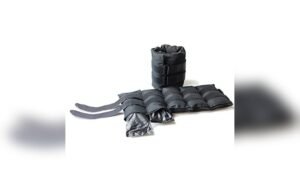
Wear ankle weights snugly above the ankle bone. Avoid placing weights too low or too high. Secure the straps tightly to prevent slipping. Check the fit before exercising to ensure comfort. Remove weights immediately if there is pain or numbness.
Precautions To Avoid Injury
Begin exercises slowly and increase duration gradually. Use support like a chair or wall for balance. Avoid fast or jerky movements while wearing weights. Stop exercising if you feel pain or dizziness. Warm up muscles before adding ankle weights to your routine.
Seated And Lying Ankle Exercises
Seated and lying ankle exercises provide gentle ways to improve ankle strength and flexibility. These exercises suit seniors who prefer low-impact movements or need support while exercising. They help maintain ankle mobility and reduce stiffness without standing.
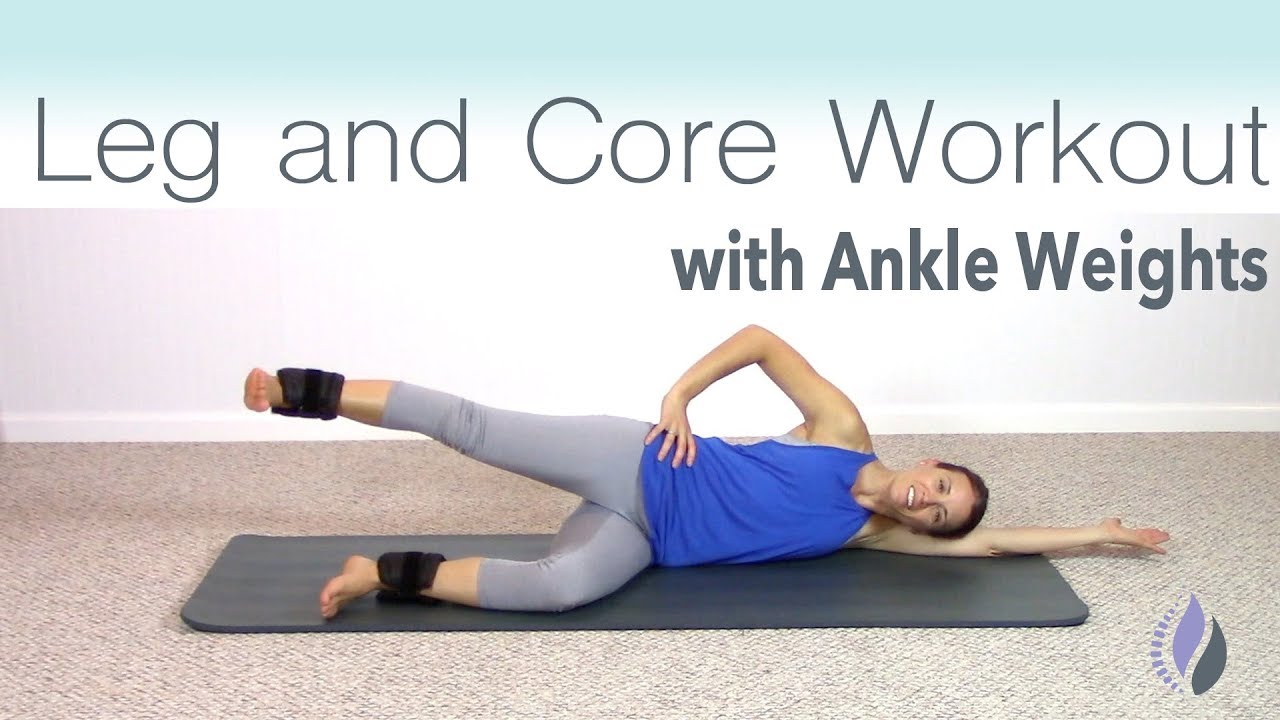
Using ankle weights can add resistance to these movements, making muscles stronger over time. These simple exercises also help prevent falls by improving ankle control and balance. Here are some easy seated and lying ankle exercises to try.
Ankle Pumps For Mobility
Ankle pumps involve moving your foot up and down while seated or lying down. Point your toes away from you, then pull them back toward your body slowly. This exercise increases blood flow and keeps ankle joints flexible. It also strengthens muscles that control ankle movement.
Alphabet Drawing For Range Of Motion
While sitting, lift one foot off the ground and use your big toe to “write” the alphabet in the air. Move your foot slowly and clearly. This exercise improves ankle range of motion and coordination. It also encourages gentle stretching of tendons and muscles around the ankle.
Toe Taps And Towel Curls
Toe taps involve lifting your toes while keeping your heels on the floor, then tapping them down. This targets the muscles at the front of your ankle, helping with balance and walking. For towel curls, place a towel on the floor and use your toes to scrunch it toward you. This strengthens small muscles in the foot and ankle.
Standing Ankle Exercises With Support
Standing ankle exercises with support help seniors improve strength and balance safely. Holding onto a chair or countertop offers stability and confidence. These exercises target muscles around the ankle and calf. They also enhance mobility and reduce fall risk. Regular practice can make daily walking easier and more secure.
Calf Raises For Strength
Stand behind a chair and hold it for balance. Slowly lift your heels off the floor. Rise onto the balls of your feet. Hold for a few seconds. Lower your heels back down gently. Repeat this 10 to 15 times. This exercise strengthens calf muscles and improves ankle stability.
Heel And Toe Walks
Use a wall or chair for support. Walk forward on your heels with toes lifted. Take 10 to 15 steps this way. Next, walk back on your toes with heels raised. Keep your steps slow and controlled. This movement builds strength in the front and back of your ankles. It also boosts balance and coordination.
Single Leg Balance Practice
Hold onto a sturdy surface for safety. Lift one foot slightly off the ground. Try to balance on the other leg. Keep your body upright and steady. Hold this position for 10 to 20 seconds. Switch legs and repeat. This exercise improves ankle control and helps prevent falls.
Incorporating Ankle Weights Into Daily Routine
Ankle weights offer a simple way to build strength and improve balance. Seniors can add them to daily activities for better results. Using ankle weights during everyday movements boosts muscle endurance. It also supports bone health and joint stability. Small changes make a big difference over time.
Adding ankle weights does not require extra workout time. Simple habits can create lasting benefits. Focus on safe and steady progress to avoid injury. Consistent use improves strength and mobility gradually. This approach fits well with a senior’s lifestyle and energy levels.
Starting Slow And Gradual Progression
Begin with light ankle weights, around one to two pounds. Wear them for short periods, like 10 minutes a day. Increase time and weight slowly based on comfort. Pay attention to any discomfort or pain. Stop and rest if you feel strain. Progress helps build strength without risking injury.
Consistency And Frequency Tips
Use ankle weights regularly, ideally three to five times per week. Consistency is key to gaining strength and endurance. Short, frequent sessions work better than long, rare workouts. Keep a routine to stay motivated and track progress. Rest days are important to allow muscles to recover.
Combining With Other Low-impact Activities
Pair ankle weight exercises with walking, stretching, or chair exercises. Low-impact activities reduce stress on joints while improving fitness. Swimming and cycling also support gentle muscle strengthening. Mixing activities keeps workouts interesting and balanced. This variety helps maintain overall health and mobility.
Common Challenges And Solutions
Starting ankle weight exercises as a senior brings some common challenges. These can affect safety and progress. Recognizing these issues helps maintain a steady routine. Solutions make exercising safer and more effective. Here are the main challenges and ways to handle them.
Managing Balance Issues
Balance problems are common during ankle weight workouts. Adding weights changes your center of gravity. This can cause wobbling or falls. Use a sturdy chair or wall for support. Perform exercises near a stable surface. Start with lighter weights to build confidence. Practice slow and controlled movements. Balance improves with consistent practice.
Dealing With Muscle Fatigue
Muscle fatigue happens faster with ankle weights. Older muscles need more rest between sets. Avoid pushing too hard in one session. Spread exercises over several days. Use light weights and increase gradually. Stop if muscles feel very sore or weak. Stretch gently after workouts to reduce tightness. Proper hydration and nutrition also help muscle recovery.
When To Seek Professional Advice
Some issues require expert guidance. Consult a doctor before starting new exercises. Ask a physical therapist to check your form. Seek help if pain lasts beyond a few days. Warning signs include sharp pain, swelling, or dizziness. Professionals can tailor exercises to your needs. They ensure your safety and progress during workouts.
Credit: www.fitnesswithcindy.com
Frequently Asked Questions
Should Seniors Use Ankle Weights?
Seniors can use light ankle weights to increase muscle mass, improve cardiovascular health, and support bone density. Use caution and start slowly.
How To Strengthen Ankles For Seniors?
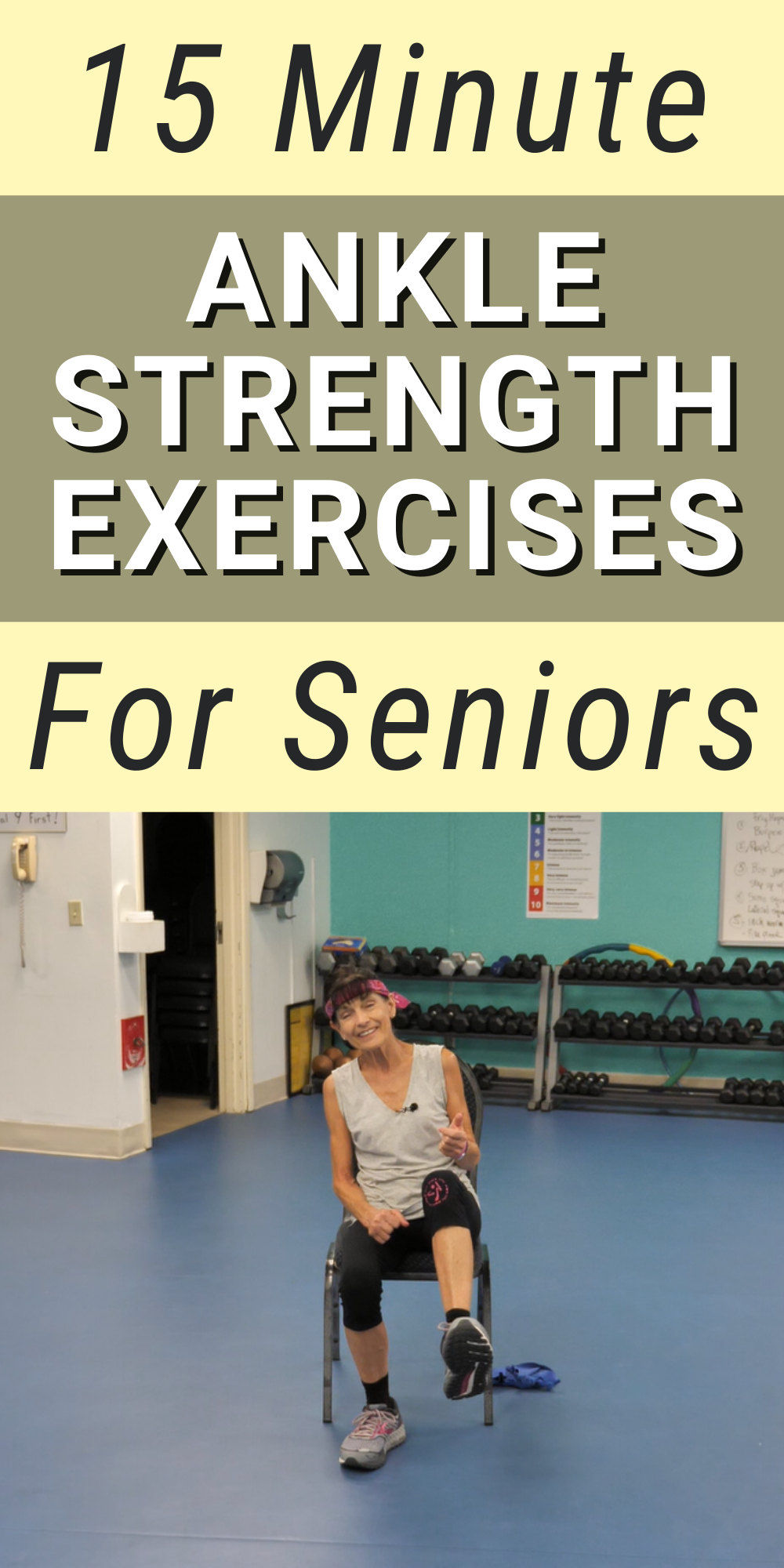
Strengthen seniors’ ankles with calf raises, heel walks, toe taps, and ankle pumps. Use a chair for support and practice daily for balance and stability.
What Is The Number One Exercise For Seniors?
Walking ranks as the number one exercise for seniors. It improves cardiovascular health, strengthens muscles, and enhances balance safely.
Does Walking With Ankle Weights Actually Work?
Walking with ankle weights boosts muscle strength and bone density effectively. It enhances cardiovascular health and supports osteoporosis prevention when used consistently.
Conclusion
Ankle weight exercises help seniors build strength safely. Stronger ankles improve balance and reduce fall risks. Start with light weights and simple movements. Use support like a chair for stability. Practice regularly to see steady progress. Keep exercises gentle and listen to your body.
This routine supports better mobility and daily activity. Small steps lead to big benefits over time. Stay consistent and enjoy improved confidence in movement.