
Are you struggling with constipation and wondering when the best time to take fiber supplement for constipation is? You’re not alone.
Getting the timing right can make a big difference in how well fiber works for your digestion. You’ll discover simple, practical tips to help you feel lighter and more comfortable every day. Keep reading to learn exactly when and how to take your fiber supplement for the best results—your gut will thank you!

Credit: www.medicalnewstoday.com
Benefits Of Fiber Supplements
Fiber supplements help improve digestion and relieve constipation. They add bulk to stool and make bowel movements easier. Taking fiber regularly supports gut health and prevents discomfort.
Fiber supplements also help control blood sugar and lower cholesterol. They promote a feeling of fullness, which can aid in weight management.
How Fiber Eases Constipation
Fiber absorbs water and softens stool. This makes stool larger and easier to pass. It speeds up the movement of waste through the intestines. Fiber also helps keep the digestive system healthy and balanced.
Without enough fiber, stool can become hard and dry. This leads to straining and discomfort. Fiber supplements provide the right amount of fiber to prevent these issues.
Types Of Fiber Supplements
There are two main types of fiber supplements: soluble and insoluble. Soluble fiber dissolves in water and forms a gel-like substance. It helps slow digestion and controls blood sugar.
Insoluble fiber does not dissolve in water. It adds bulk to stool and helps food move quickly through the gut. Some supplements combine both types for better results.
Common fiber supplements include psyllium husk, methylcellulose, and wheat dextrin. Each has unique benefits and effects on digestion.
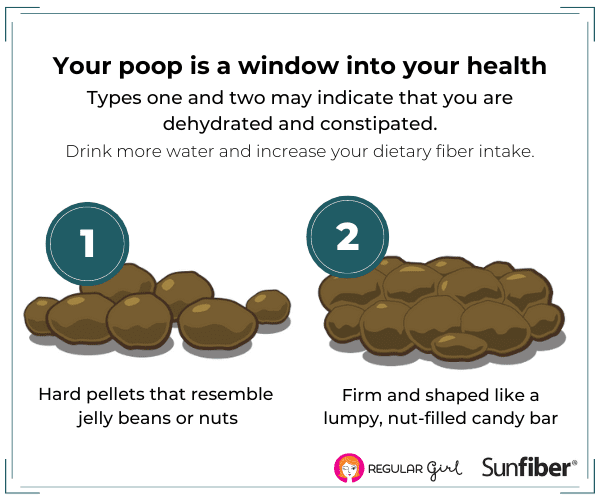
Credit: sunfiber.com
When To Take Fiber Supplements
Knowing the best time to take fiber supplements can help ease constipation. Timing affects how well your body absorbs fiber. It also impacts how comfortable you feel after taking the supplement. Understanding the right moment to take fiber can improve your digestion and bowel movements.
Morning Vs Evening Intake
Taking fiber in the morning can start your day with better digestion. It helps move waste through your intestines early. Some prefer evening intake to avoid any stomach discomfort during the day. However, morning use may give more energy and regularity.
Before Or After Meals
Fiber supplements work well before meals. They can slow digestion and help control hunger. Taking fiber after meals may reduce bloating and support nutrient absorption. Testing both times can show what your body prefers.
Timing For Maximum Absorption
Drink plenty of water with fiber for best results. Spread out fiber intake during the day to avoid gas. Consistent timing helps your gut adjust and absorb fiber better. Avoid taking fiber right before sleep to prevent discomfort.
Dosage And Hydration Tips
Taking fiber supplements correctly can ease constipation and improve digestion. Proper dosage and hydration matter a lot. Too little fiber won’t help, and too much can cause discomfort. Drinking enough water helps fiber work well in your body. Let’s explore how much fiber you need and why water is important.
Recommended Fiber Amounts
Adults should aim for 25 to 30 grams of fiber daily. Start with a small dose, about 5 grams, if you are new to fiber supplements. Increase the amount gradually over a few weeks. This helps your body adjust and reduces bloating or gas. Follow the instructions on the supplement label. Do not take more than the recommended dose to avoid stomach pain.
Importance Of Drinking Water
Fiber absorbs water to soften stool and ease bowel movements. Without enough water, fiber can cause hard stools or constipation. Drink at least 8 glasses of water daily. Drink a full glass of water right after taking your fiber supplement. Keep water intake steady throughout the day to support digestion. Proper hydration makes fiber more effective and gentle on your system.

Credit: toneop.care
Potential Side Effects
Taking fiber supplements can help relieve constipation. Still, some side effects may occur. Knowing these effects helps you use fiber supplements safely.
Side effects often relate to the digestive system. They usually happen when you start taking fiber or increase the dose too fast.
Common Digestive Issues
Some people experience bloating or gas after taking fiber supplements. Stomach cramps or mild discomfort can also appear. Constipation might worsen if you do not drink enough water. Rarely, diarrhea may occur with too much fiber intake.
How To Minimize Discomfort
Start with a small dose of fiber supplement. Increase the amount slowly over several weeks. Drink plenty of water throughout the day. Spread fiber intake evenly in meals. Choose fiber types that suit your body best. Stop taking supplements if pain or severe symptoms appear. Always talk to a healthcare provider if unsure.
Combining Fiber With Other Treatments
Combining fiber supplements with other treatments can help ease constipation more effectively. Fiber works best alongside other methods to improve bowel movements. Using different treatments together can provide faster and better relief.
It is important to know how to combine fiber with other options safely. This approach supports a healthier digestive system and prevents discomfort.
Fiber And Laxatives
Fiber supplements and laxatives can work well together. Fiber adds bulk to stool, while laxatives help move it through the intestines. Taking fiber before laxatives can soften stool and reduce strain. Avoid using laxatives too often to prevent dependency. Always follow the advice of a healthcare provider about laxative use.
Diet And Lifestyle Changes
Eating a balanced diet helps fiber supplements work better. Include fruits, vegetables, and whole grains for natural fiber. Drink plenty of water to help fiber swell and ease stool passage. Regular exercise boosts digestion and bowel movements. Small lifestyle changes can reduce constipation and improve gut health.
Special Considerations
Taking fiber supplements for constipation needs care and attention. Special situations affect the best time to take fiber. Age, health, and current medications change how fiber works. Knowing these details helps prevent discomfort and improves results.
Fiber Use For Different Age Groups
Children need less fiber than adults. Too much fiber can cause stomach pain for kids. Older adults may need more fiber but also more fluids. Fiber should be introduced slowly to avoid gas and bloating. Always follow age-specific dose instructions on the package.
When To Consult A Doctor
See a doctor if constipation lasts over two weeks. Sudden changes in bowel habits need medical advice. Talk to a doctor before starting fiber supplements if you have health conditions. Certain medicines may interact with fiber and reduce their effect. A doctor can help find the right fiber type and dose for you.
Frequently Asked Questions
When Is The Best Time To Take Fiber Supplements?
The best time to take fiber supplements is before meals or with breakfast. This helps improve digestion and prevents constipation effectively throughout the day.
How Does Timing Affect Fiber Supplement Absorption?
Taking fiber supplements with water and before meals enhances absorption. Proper timing ensures fiber works well to soften stool and promote regular bowel movements.
Can Fiber Supplements Cause Constipation If Taken Incorrectly?
Yes, taking fiber supplements without enough water or at irregular times may worsen constipation. Proper timing and hydration are key to avoiding discomfort.
Should Fiber Supplements Be Taken Daily For Constipation Relief?
Daily intake of fiber supplements is recommended for consistent constipation relief. Regular use helps maintain bowel health and prevents irregularity over time.
Conclusion
Taking fiber supplements with meals helps improve digestion and reduce constipation. Drinking plenty of water enhances fiber’s effectiveness. Consistency matters; take fiber supplements at the same time daily. Avoid taking too much fiber too quickly to prevent discomfort. Listen to your body and adjust timing if needed.
This simple habit can support regular bowel movements and better gut health. Small changes make a big difference over time. Start today for a healthier digestive system.
So, guys, did you catch our guide on the best time to take fiber supplements for constipation?