
What are the best yoga poses you know to keep you ultimately fit at all times?
Yoga, a combined exercise of physical, mental & spiritual discipline, originated in ancient India and is now a global buzzword, with nearly half a million monthly search queries on Google worldwide. Simple to advanced, the best yoga poses or exercises are a sequential workout.
B.K.S. Iyengar (1966) & Sree Dharma Mittra greatly explored the ins & outs of body & muscle movement with its influence on our healthy life. Iyengar showed more than 200 asanas, and Dharma Mittra discussed & expressed “The master yoga chart of 908 postures” in 1984. The globally accepted book of Mittra’s “Asanas: 608 Yoga Poses” was published in 2003.
Foundational Standing Poses
Foundational standing poses build strength, balance, and focus. They set the stage for more advanced yoga. These poses improve posture and body awareness. Practicing them regularly enhances stability and calmness. Each pose targets different muscles and helps align the body.
Mountain Pose For Grounding
Mountain Pose, or Tadasana, is simple but powerful. Stand tall with feet hip-width apart. Press evenly through your feet. Engage your thighs and lengthen your spine. This pose grounds you and improves posture. It creates a strong base for all standing poses.
Tree Pose For Balance
Tree Pose, or Vrikshasana, strengthens legs and improves balance. Stand on one leg and place the other foot on your inner thigh. Bring your hands together at your chest or overhead. Focus your gaze on a fixed point. This pose increases concentration and steadiness.
Triangle Pose For Stretching
Triangle Pose, or Trikonasana, stretches the sides and legs. Stand with feet wide apart and arms extended. Reach one hand down to your shin or the floor. Lift the other arm towards the sky. Keep your chest open and gaze upward. This pose relieves tightness and opens the hips.
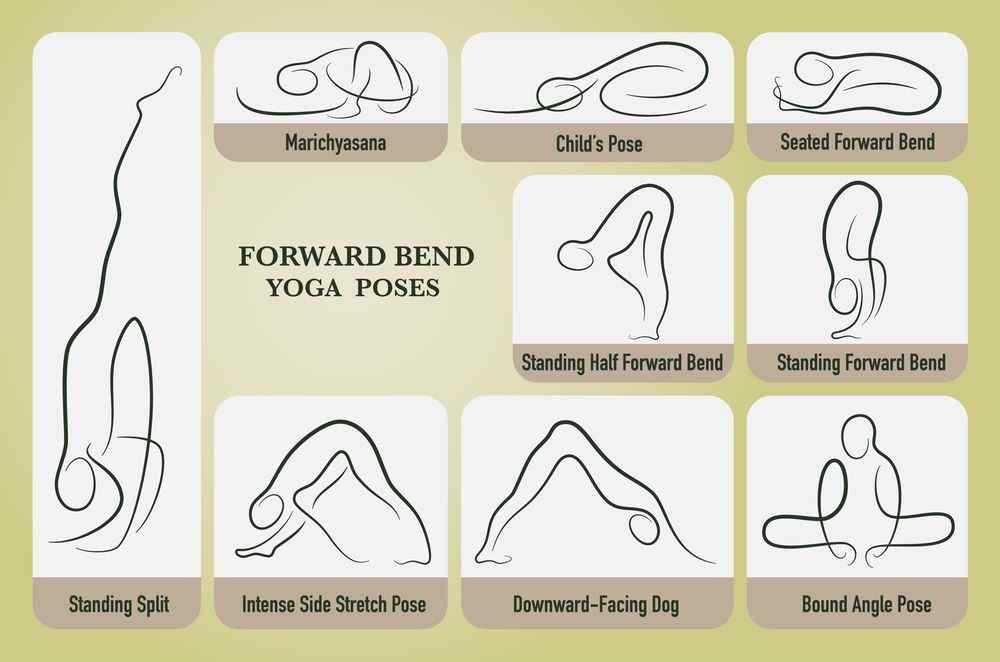
Standing Forward Bend For Relaxation
Standing Forward Bend, or Uttanasana, calms the mind and stretches hamstrings. Fold forward from the hips with a soft bend in the knees. Let your head hang heavy and relax your neck. This pose reduces stress and soothes the nervous system. It gently stretches the back and legs.

Credit: skinnyms.com
Seated Stretches And Twists
Seated stretches and twists form an essential part of any yoga routine. They help improve flexibility and relieve tension in the spine and muscles. These poses also support better posture and promote a calm mind. Practicing seated stretches regularly can enhance your overall mobility and comfort.
Seated Forward Bend For Deep Stretch
The Seated Forward Bend stretches the entire back body, including the spine and hamstrings. Sit with your legs straight in front of you. Slowly bend forward from the hips, reaching for your feet. Keep your back long and avoid rounding the shoulders. Hold the pose to feel a deep stretch along your spine and legs. This stretch helps reduce stiffness and calms the nervous system.
Half Spinal Twist For Mobility
The Half Spinal Twist improves spinal flexibility and massages internal organs. Sit with one leg bent and the other leg crossed over it. Place your opposite arm outside the bent knee and twist your torso gently. Keep your spine tall as you turn your head to look behind you. This pose increases mobility and supports healthy digestion. It also releases tension in the back and shoulders.
Backbends And Chest Openers
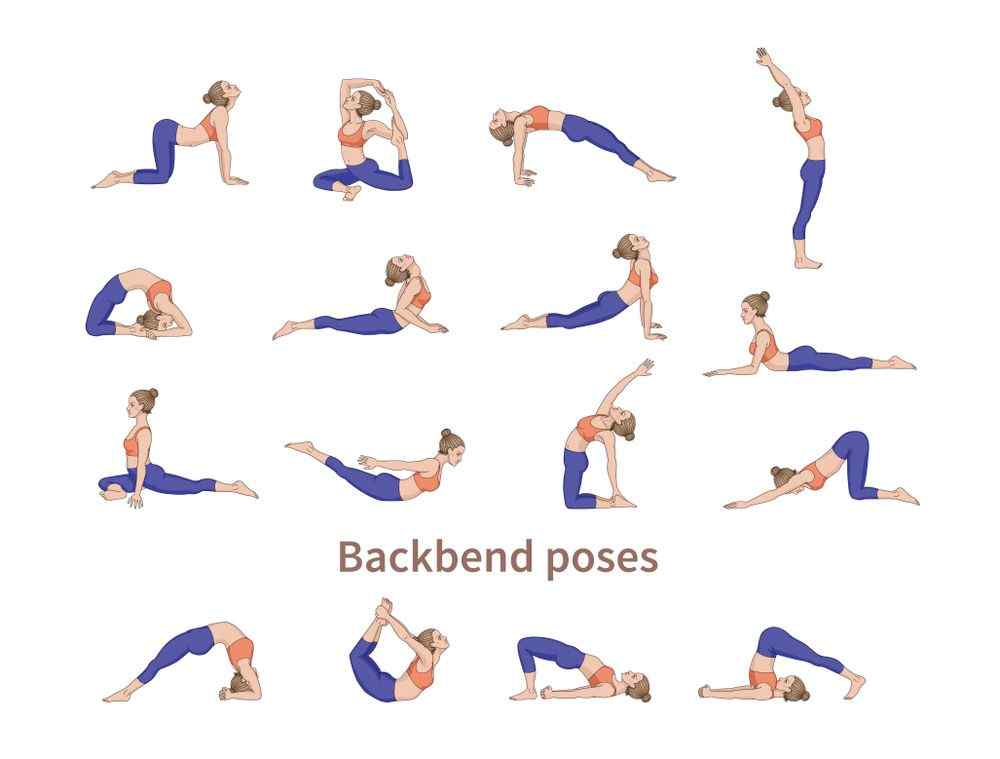
Backbends and chest openers are key yoga poses that help improve posture and energy. They stretch the front body and strengthen the spine. These poses reduce tension in the chest and shoulders. Regular practice can ease breathing and boost mood.
These poses vary in intensity and purpose. Some are energizing while others promote rest and recovery. Each pose supports spinal health and opens the heart area gently and safely.
Cobra Pose For Spinal Extension
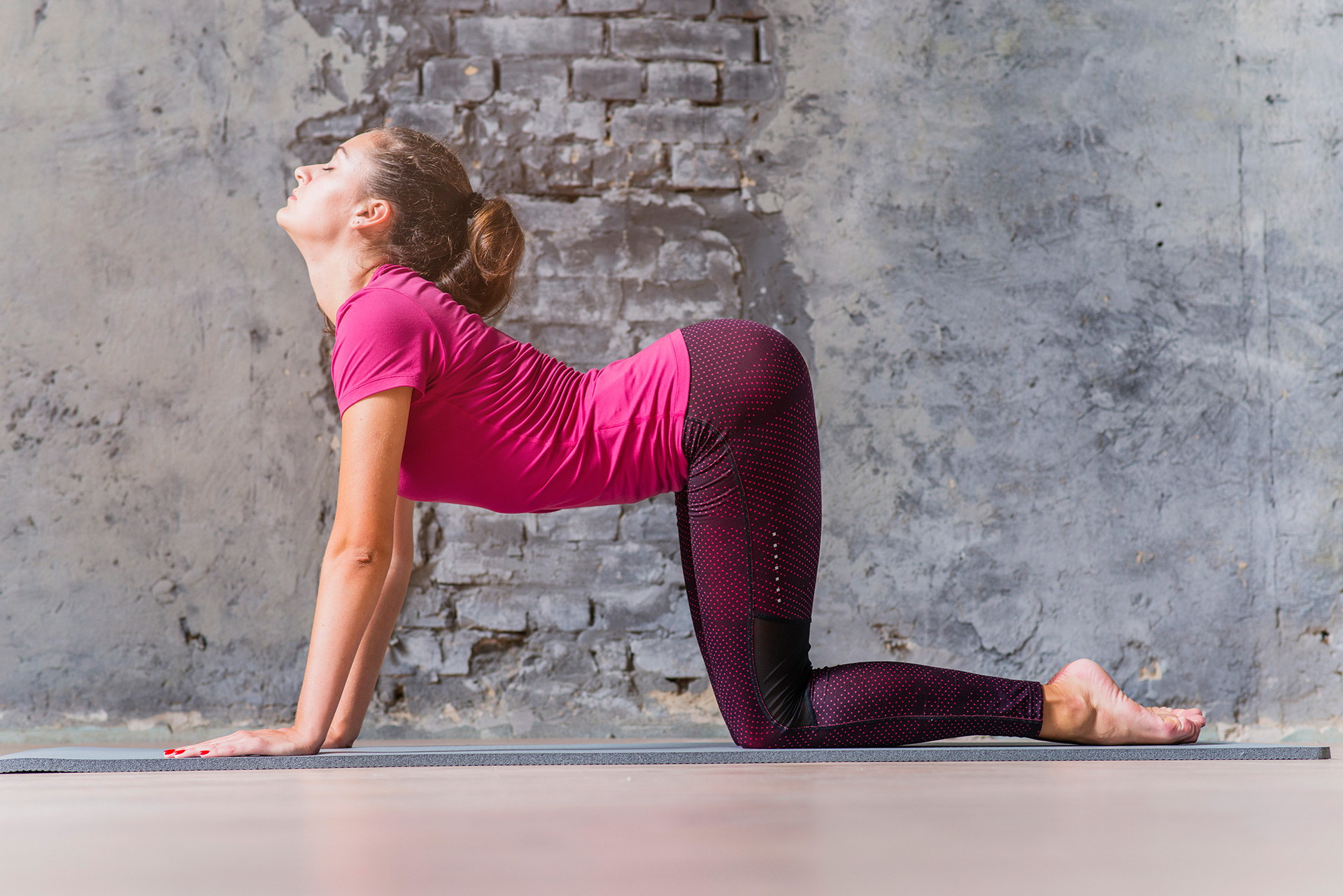
Cobra Pose is a simple backbend that strengthens the spine. You lie on your belly and lift your chest using your back muscles. This pose improves spinal flexibility and opens the chest. It helps relieve stiffness after sitting long hours. Keep your elbows close and shoulders relaxed.
Bridge Pose For Strength
Bridge Pose builds strength in the back, hips, and legs. You lie on your back and lift your hips high. This pose opens the chest and stretches the front body. It improves posture and reduces lower back pain. Press firmly through your feet and engage your core.
Child’s Pose For Rest
Child’s Pose is a gentle chest opener and resting pose. You sit back on your heels and stretch your arms forward. This pose calms the mind and relieves tension in the back. It is perfect for relaxing between stronger backbends. Breathe deeply and let your body soften.
Credit: srisrischoolofyoga.org
Inversions And Core Strength
Inversions and core strength are key elements in yoga practice. Inversions improve blood flow and boost focus. Core strength supports balance and posture. Together, they enhance overall body control and energy. Practicing these poses regularly builds endurance and stability. They also prepare the body for more advanced yoga postures.
Downward-facing Dog For Full-body Stretch
Downward-Facing Dog is a mild inversion that stretches the whole body. It lengthens the spine and opens the shoulders. This pose strengthens the arms and legs while calming the mind. It improves circulation and relieves tension in the back. Beginners find it accessible and calming for daily practice.
Plank Pose For Core Power
Plank Pose targets the core muscles deeply. It strengthens the abs, back, and shoulders. Holding plank builds stamina and body awareness. This pose stabilizes the spine and improves posture. Consistent practice reduces the risk of injuries and enhances balance.
Headstand And Shoulderstand Basics
Headstand and Shoulderstand are classic yoga inversions. They improve circulation and stimulate the brain. These poses require strong core and shoulder muscles. Beginners should practice near a wall for support. Proper alignment is crucial to avoid strain or injury. With practice, these poses increase confidence and body control.
Advanced Strength Poses
Advanced strength poses challenge both your body and mind. They build muscle and improve balance. These poses require focus and steady breathing. Practicing them regularly enhances endurance and stability.
Each pose targets different muscle groups and skills. They help deepen your yoga practice and boost confidence. Start slow and listen to your body to avoid injury.
Warrior II for Power
Warrior II strengthens legs, hips, and shoulders. It opens the chest and improves stamina. Stand with feet wide, bend the front knee, and stretch your arms out. Hold steady and gaze forward. This pose builds endurance and power in the lower body.
Eagle Pose For Focus
Eagle Pose improves concentration and balance. Wrap one arm under the other and cross your legs. Sink into your hips while keeping your spine tall. This pose tones the legs and stretches the shoulders. It also sharpens mental focus and body awareness.
Pigeon Pose For Hip Flexibility
Pigeon Pose deeply stretches the hip muscles. Bring one leg forward and extend the other back. Keep your hips square and fold over your front leg. This pose releases tension and increases hip mobility. It helps prevent stiffness and improves overall flexibility.
Restorative And Integration Poses
Restorative and integration poses help the body relax deeply after active yoga. They calm the nervous system and bring balance to the mind and body. These poses allow muscles to release tension and restore energy. They also help the breath slow down and deepen. Practicing these poses regularly improves overall well-being and supports recovery.
Corpse Pose For Relaxation
Corpse Pose, or Savasana, is the ultimate rest posture. Lie flat on your back with arms and legs relaxed. Close your eyes and breathe slowly. This pose helps the body absorb the benefits of your practice. It quiets the mind and reduces stress. Staying in Corpse Pose for five to ten minutes refreshes your entire system.
Child’s Pose For Calming
Child’s Pose, or Balasana, gently stretches the back and hips. Kneel on the floor and sit back on your heels. Lower your chest toward your thighs and extend your arms forward. This pose calms the mind and soothes the nervous system. It creates a safe space to rest and reset. Child’s Pose is perfect anytime you feel overwhelmed or tired.
Yoga For Belly Fat Reduction
Yoga offers a gentle yet effective way to reduce belly fat. It targets the core muscles and improves digestion. Regular practice helps tone the abdominal area and supports weight loss. Yoga also calms the mind, reducing stress that can lead to fat storage.
Core-strengthening Postures
Poses like Plank, Boat, and Warrior III build strong abdominal muscles. These postures engage the core deeply, helping to firm the belly. A stronger core improves posture and supports overall fitness. Consistent practice shapes and tones the midsection naturally.
Stress Reduction Benefits
Stress triggers fat storage around the belly. Yoga lowers cortisol levels, the stress hormone linked to weight gain. Breathing exercises and gentle stretches calm the nervous system. Reduced stress helps prevent overeating and supports fat loss.
Metabolism Boosting Poses
Dynamic poses like Sun Salutations increase heart rate and burn calories. Twists and backbends stimulate internal organs and improve circulation. These movements help speed up metabolism for better fat burning. A faster metabolism aids in reducing belly fat.
Mindful Eating And Digestion
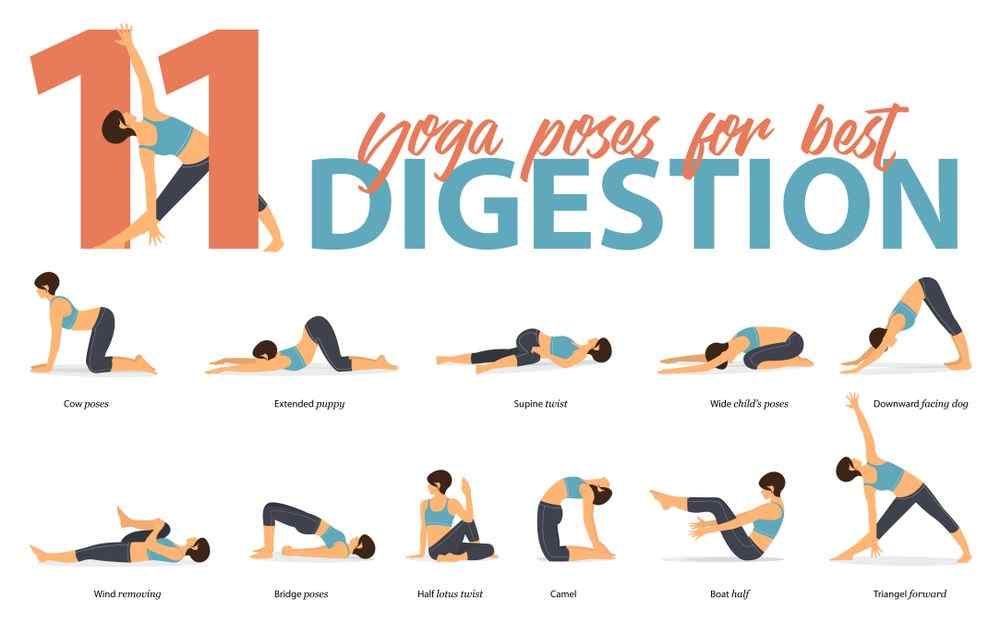
Yoga promotes awareness of hunger and fullness cues. Poses that massage the abdomen improve digestion and reduce bloating. Mindful eating habits develop through breath and meditation practices. Better digestion supports weight management and belly fat reduction.
Effective Core-engaging Poses
Strong core muscles improve balance and support the spine. Yoga offers poses that effectively engage and tone the core. These poses help build strength while increasing flexibility and stability. Practicing core-engaging poses regularly enhances overall body control and posture. Here are three key yoga poses that target the core.
Boat Pose For Abdominal Tone
Boat Pose strengthens the abdominal muscles deeply. Sit on the floor and lift your legs, balancing on your sitting bones. Keep your spine straight and arms extended forward. This pose challenges the core to maintain stability and balance. Hold the position while breathing steadily. It tones the belly and improves focus.
Plank For Stability
The plank is a simple yet powerful pose for core stability. Start in a push-up position with your arms straight. Keep your body in a straight line from head to heels. Engage your abdominal muscles to avoid sagging hips. Hold the pose for several breaths to build endurance. It strengthens the abs, back, and shoulders.
Bow Pose For Flexibility
Bow Pose stretches the front body and strengthens the core. Lie on your stomach and bend your knees to hold your ankles. Lift your chest and legs off the ground simultaneously. This action engages the abdominal muscles and opens the chest. It improves flexibility in the spine and tones the core. Breathe deeply while maintaining the pose.
25 Yoga Poses chart for everyone & every health problem
1. Yoga sequence morning
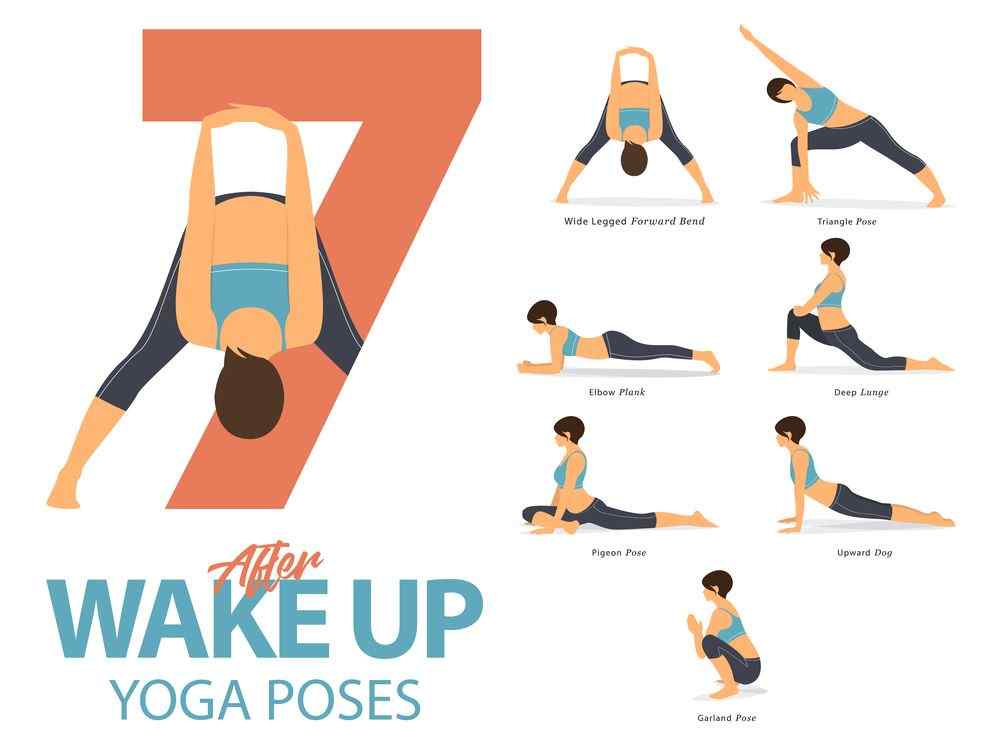
2. Yoga for beginners
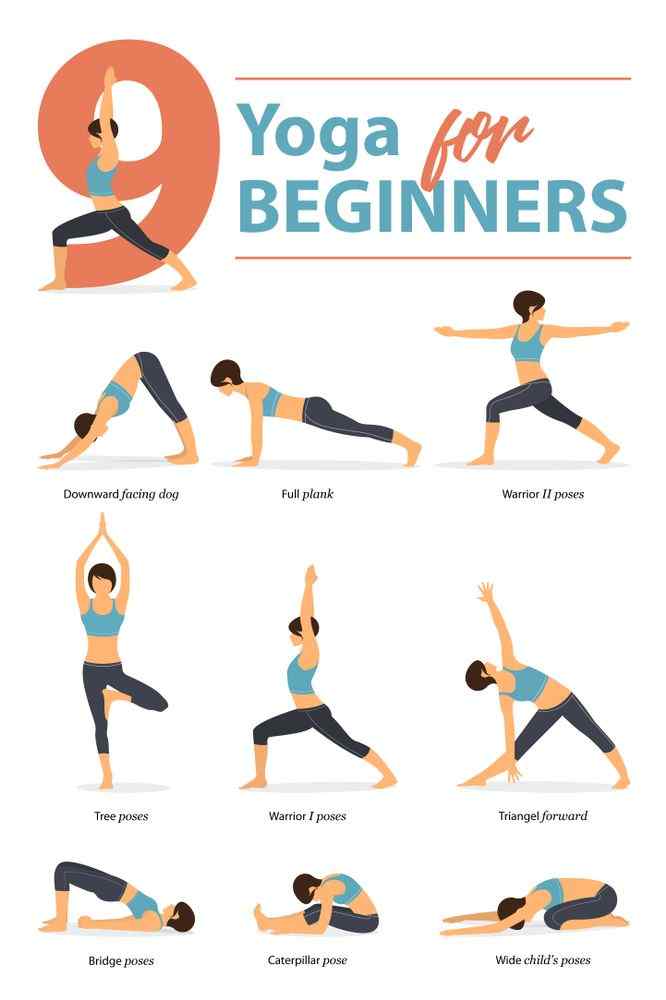
3.Standing yoga poses
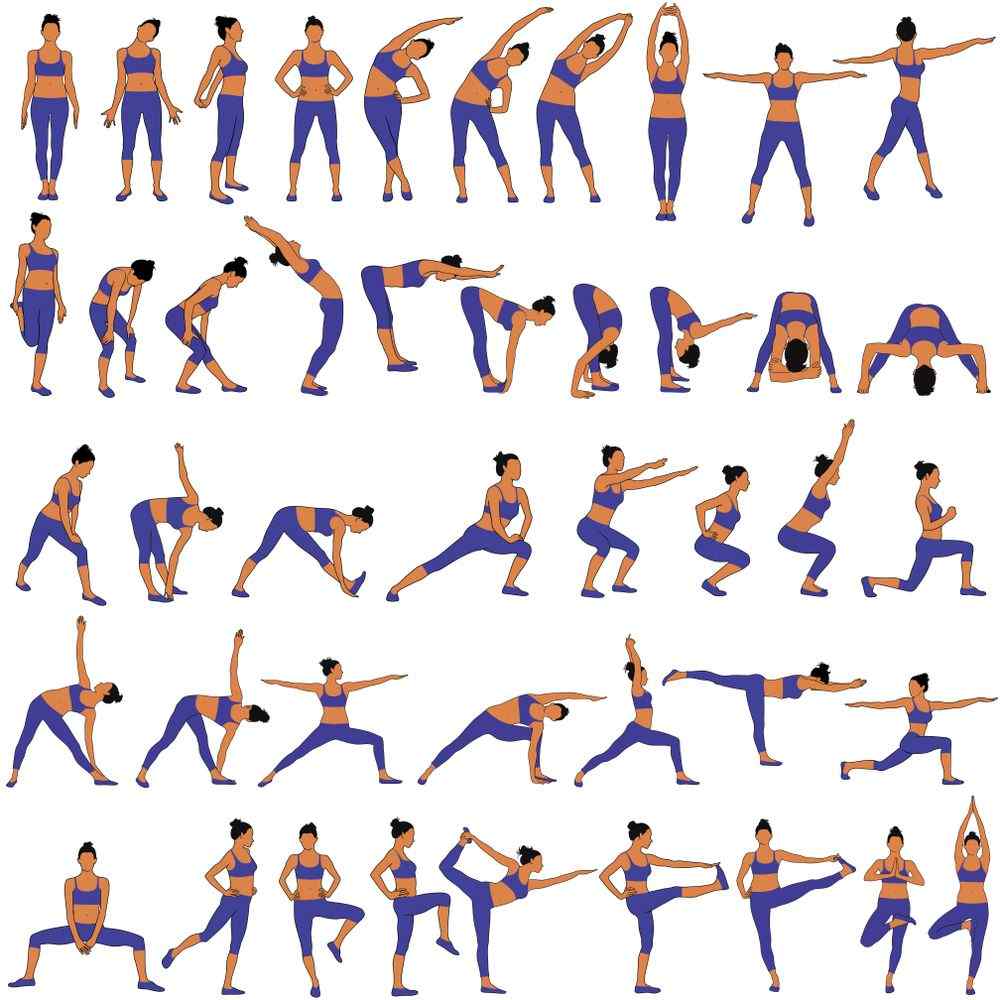
4. Yoga for back pain: basic pose chart
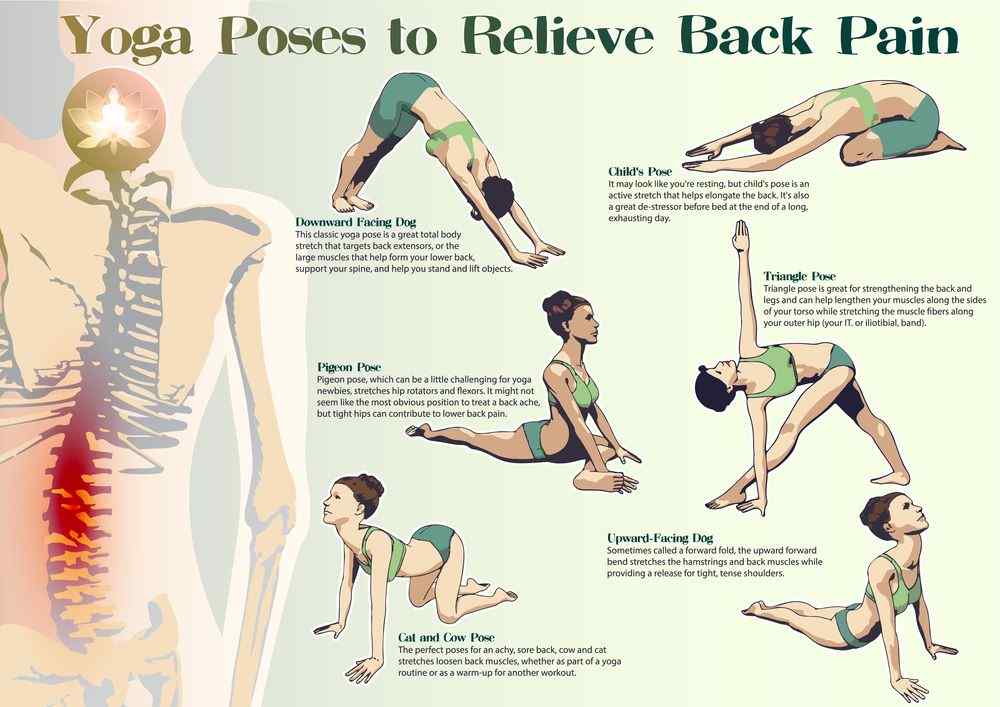
5. Yoga for lower back pain relief
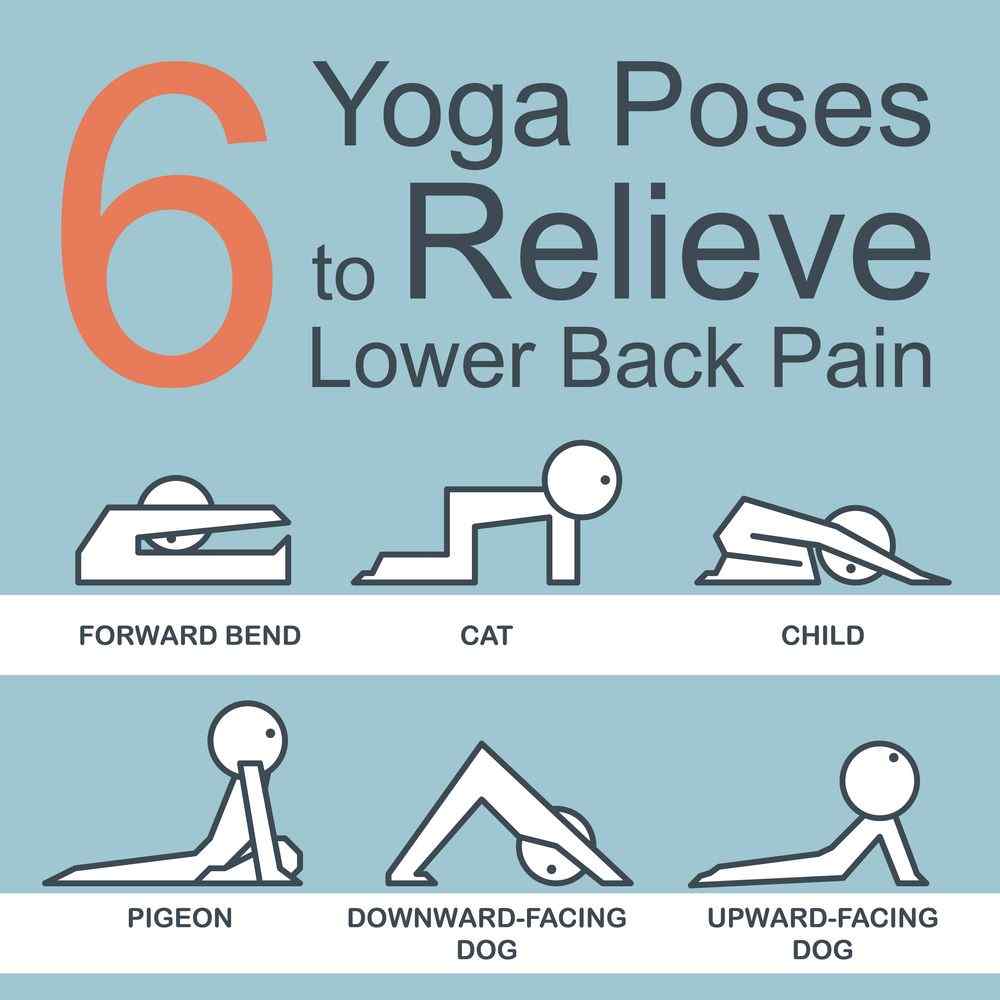
6. Salutation to the sun
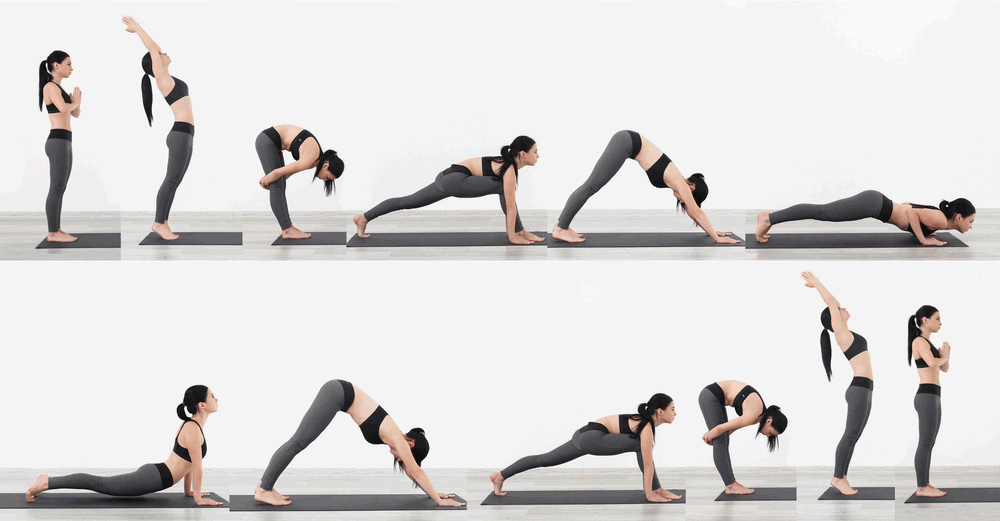
7. Yoga for backbends
8. Yoga for a forward bend
9. Yoga for digestion
10. Yoga for gas relief

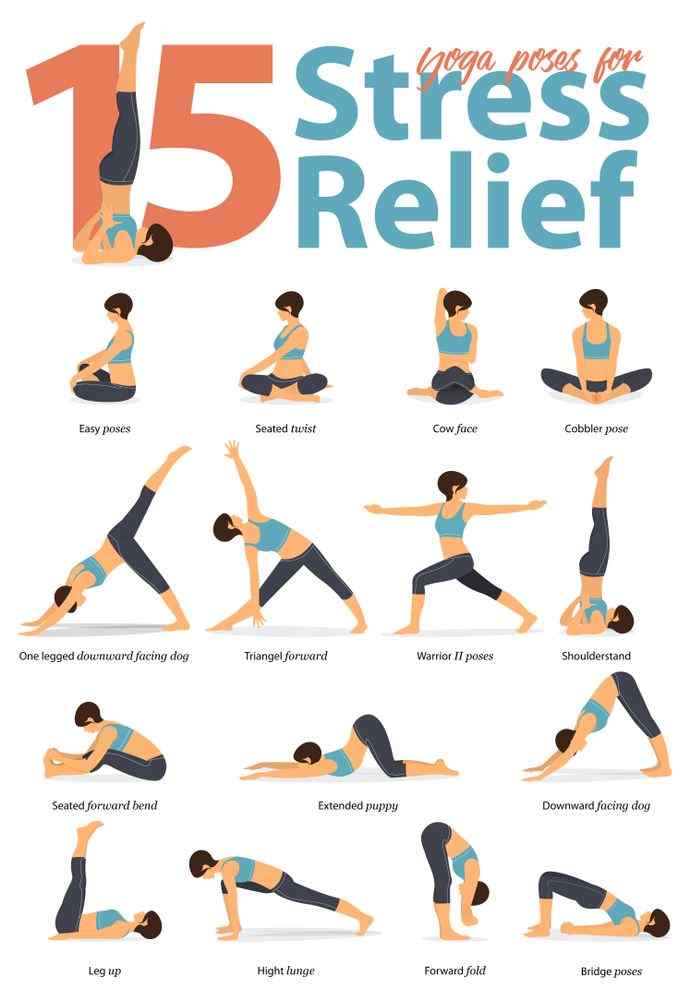
11. Yoga for stress relief
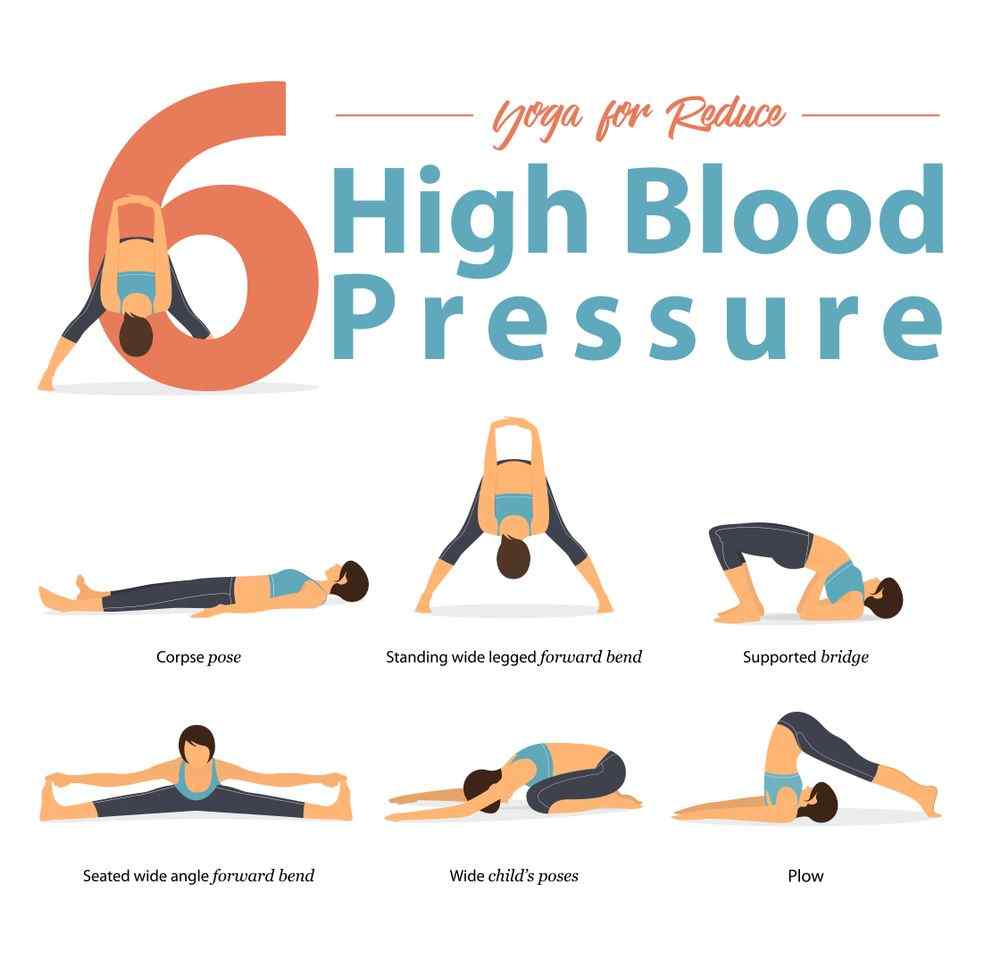
12. Yoga for high blood pressure
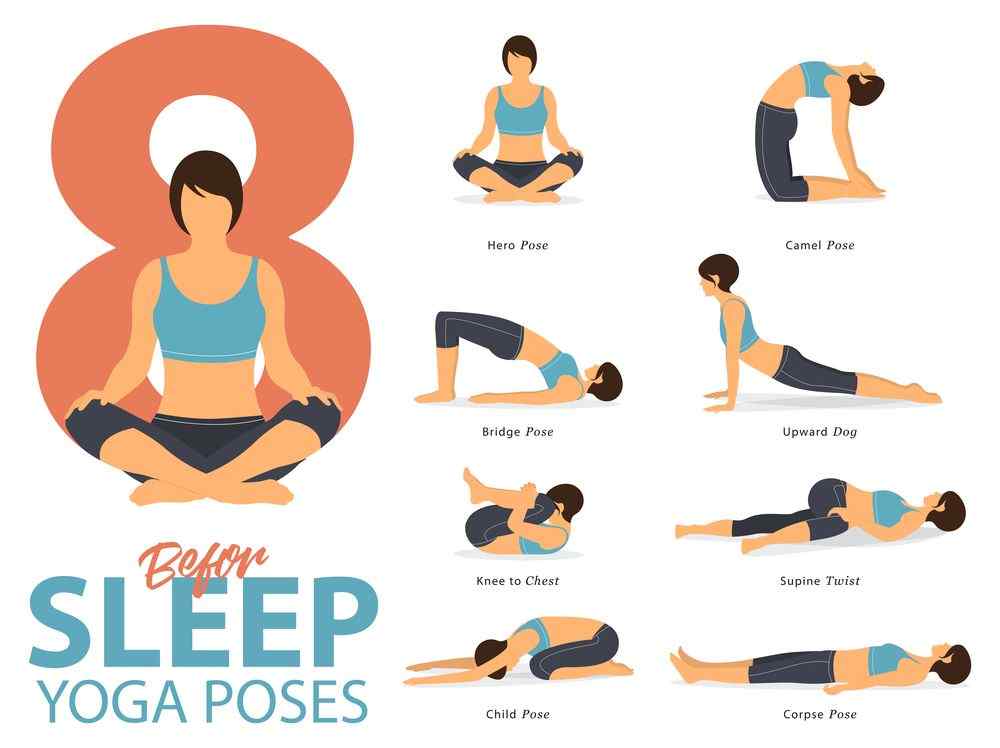
13. Yoga for sleep
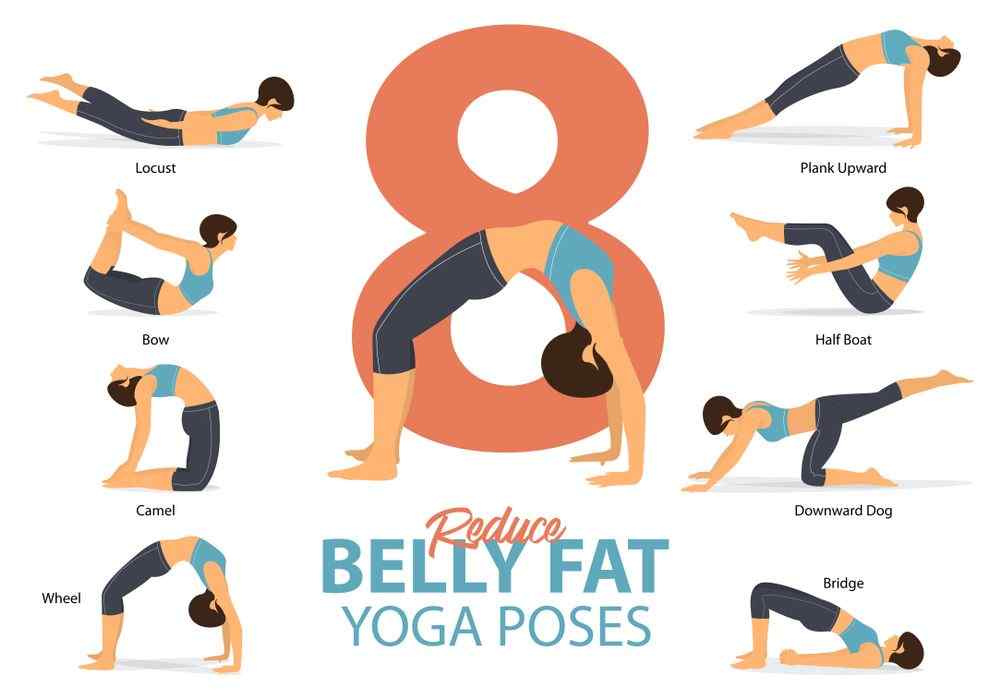
14. Yoga for a flat belly
15. Yoga for weight loss
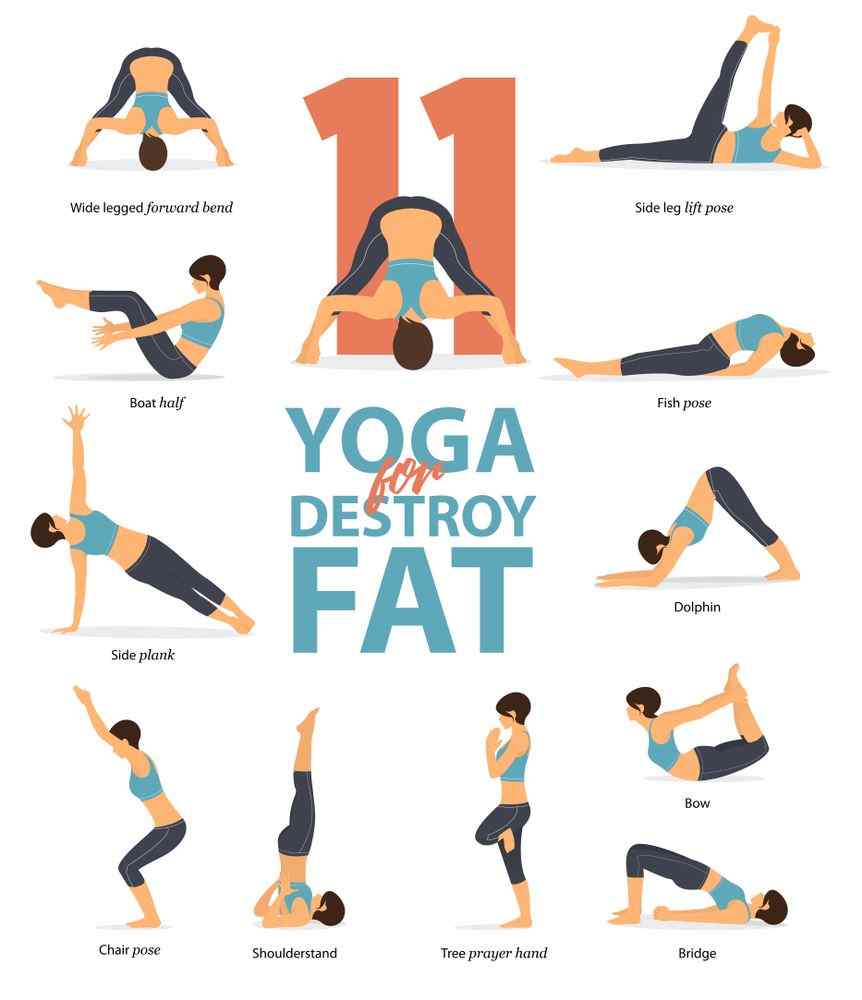
16. Yoga for shoulder pain
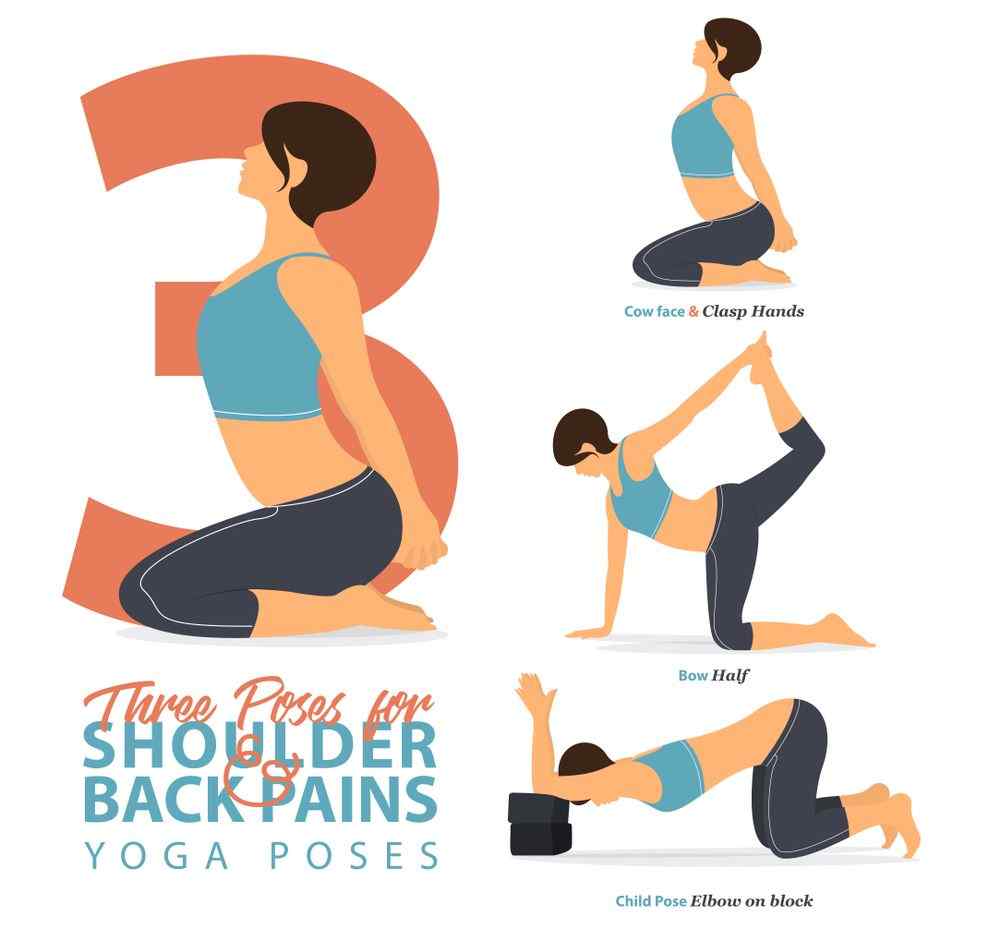
17. Yoga for hips
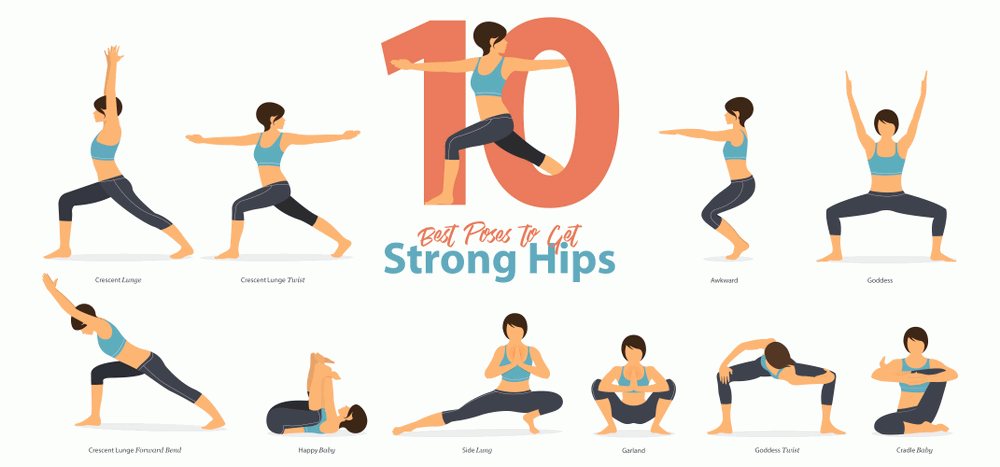
18. Yoga for hamstrings
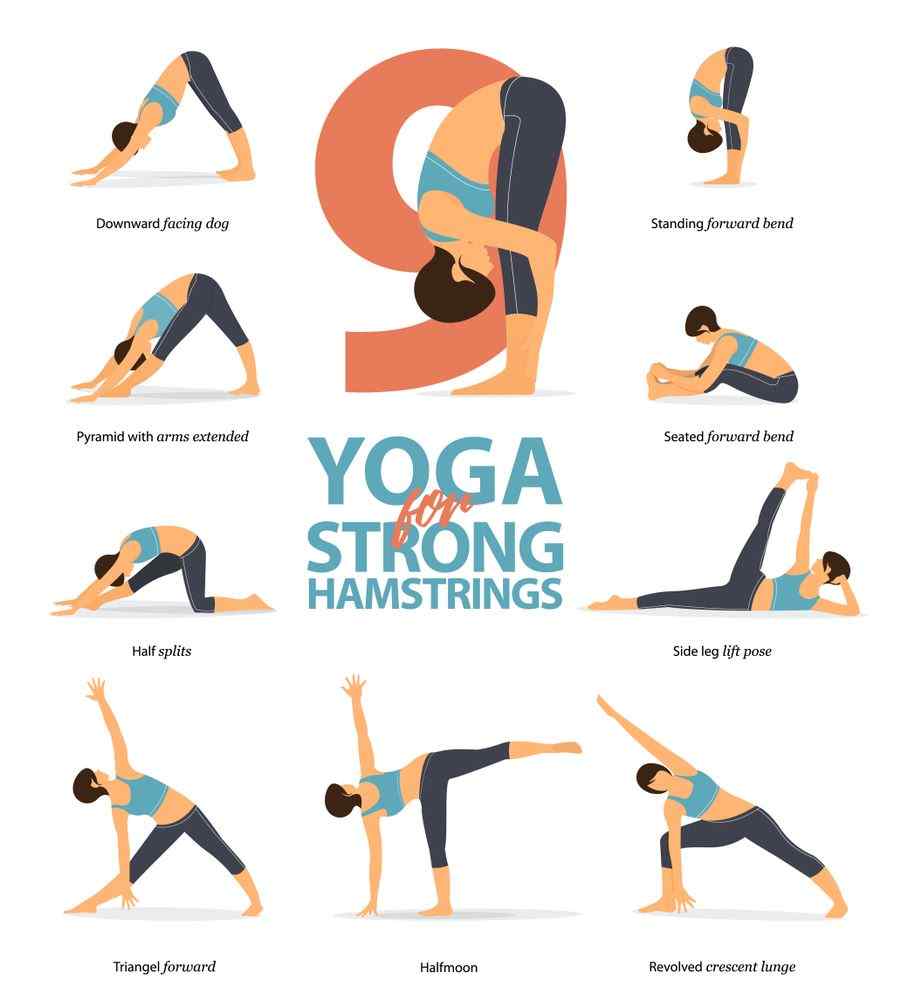
19. Yoga for joint pain
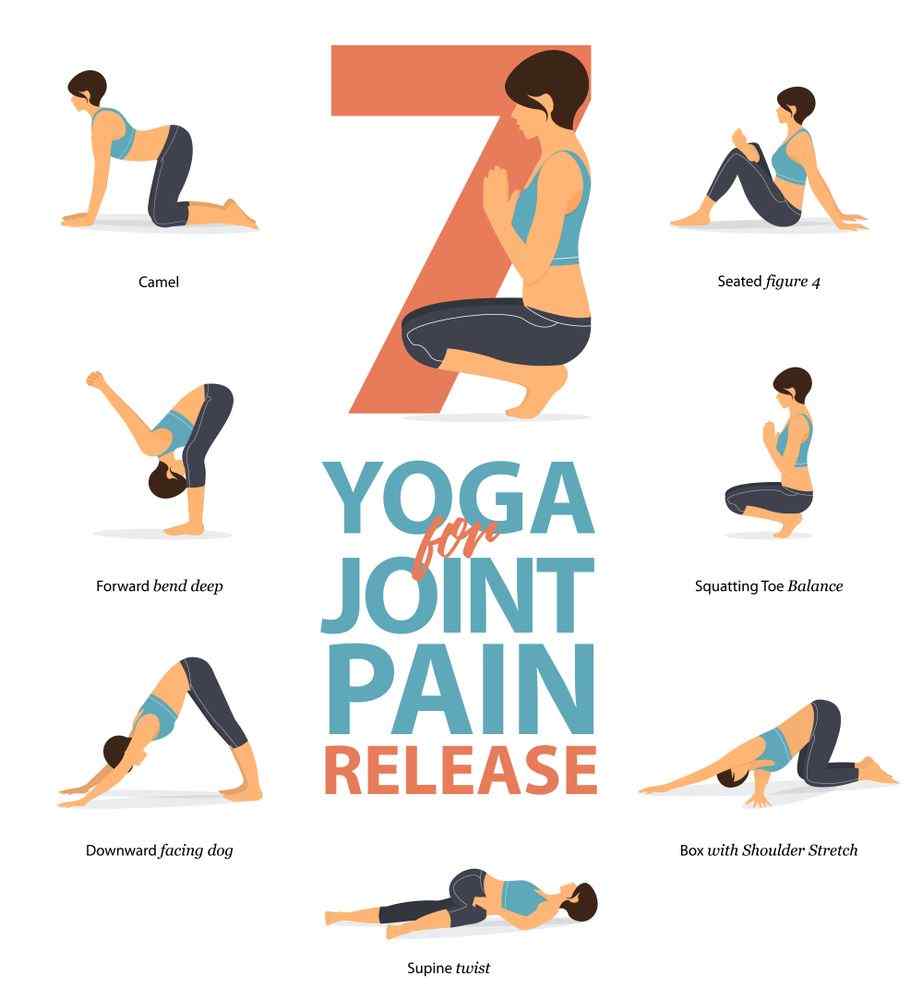
20. Yoga for runners/Athletes
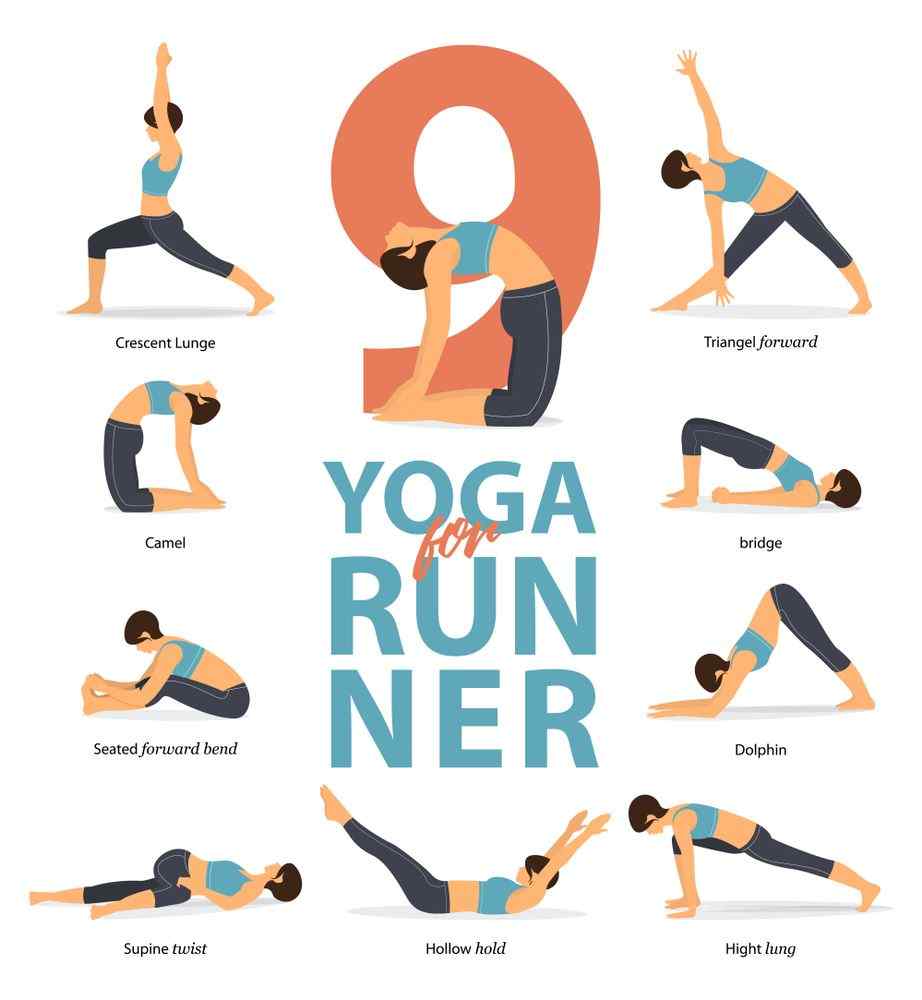
21. Yoga for quitting smoking
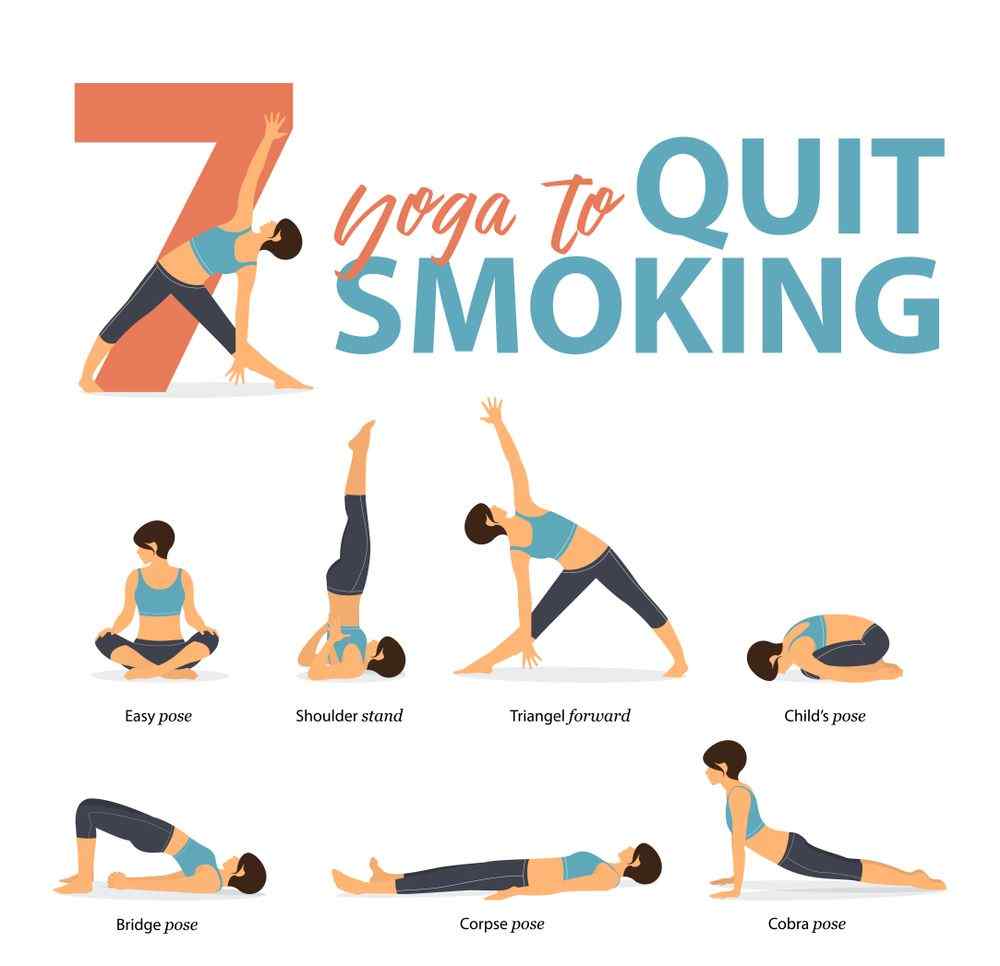
22. Yoga for kidney health
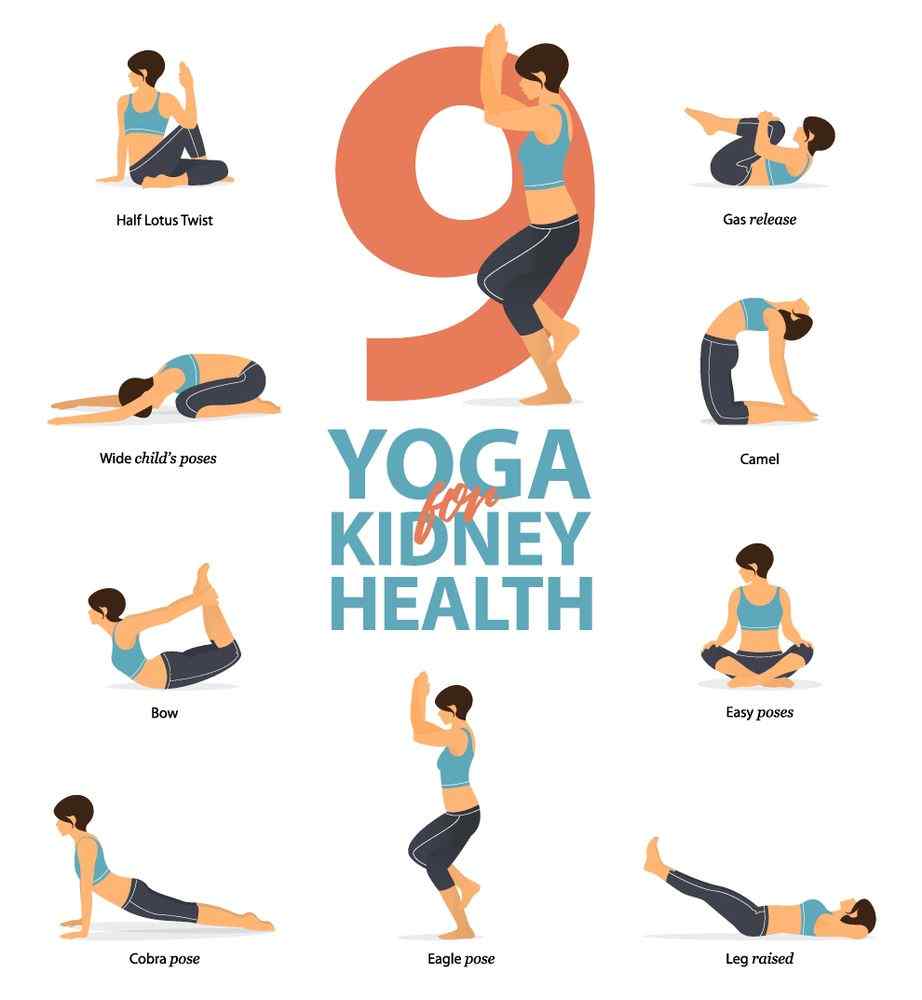
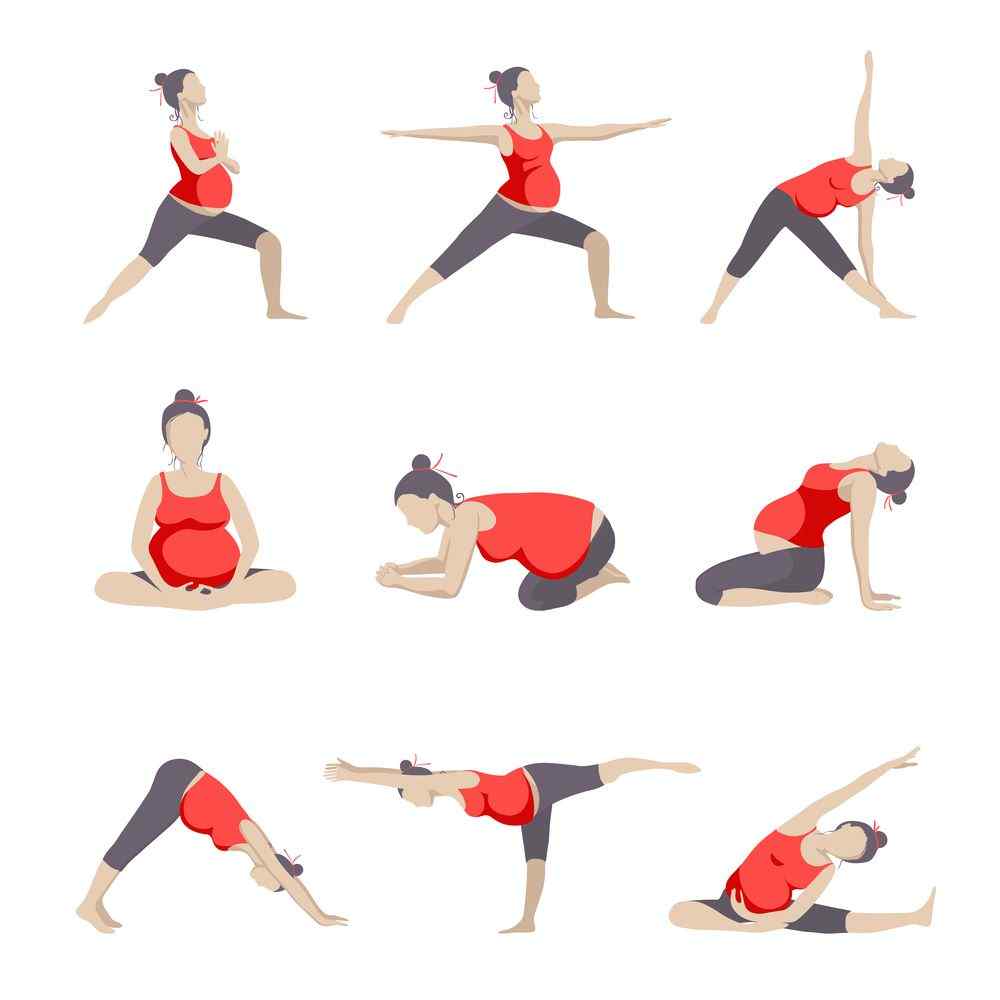
23.Yoga for the pregnant woman
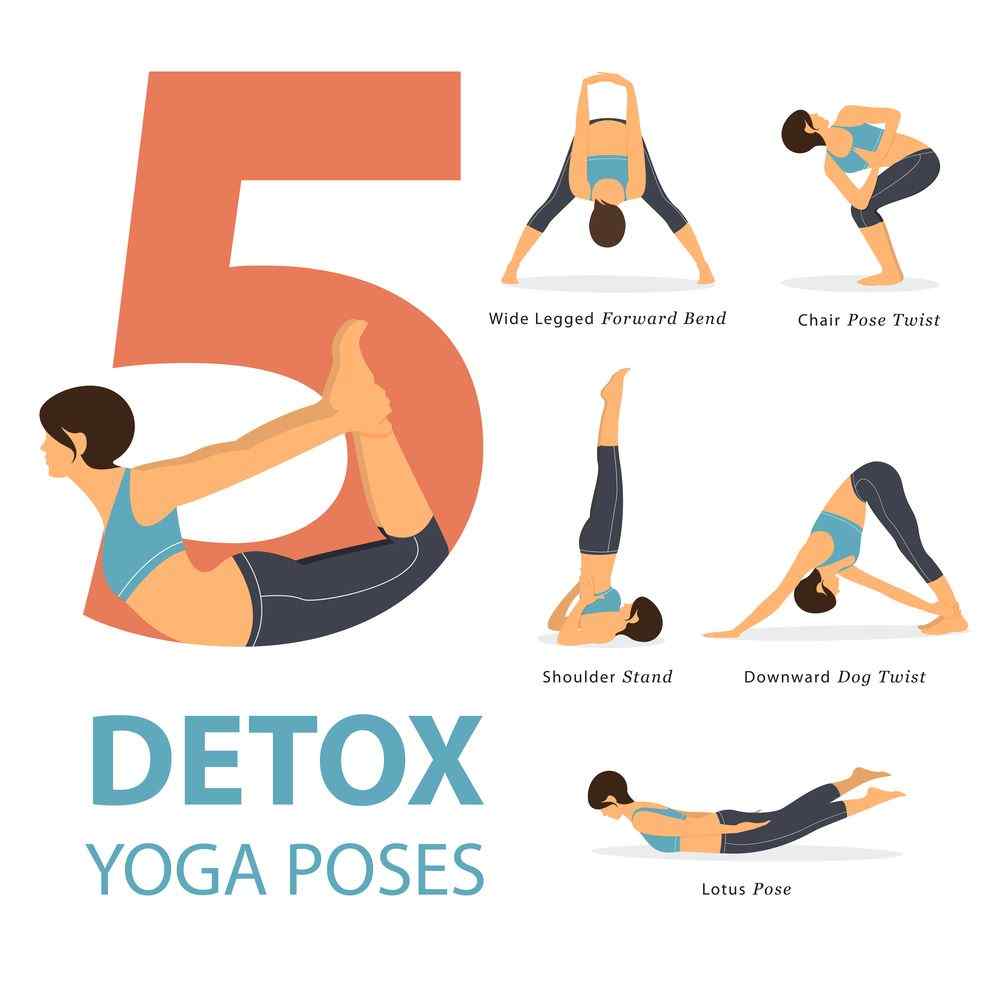
24. Detox Yoga
25. Yoga poses for kids
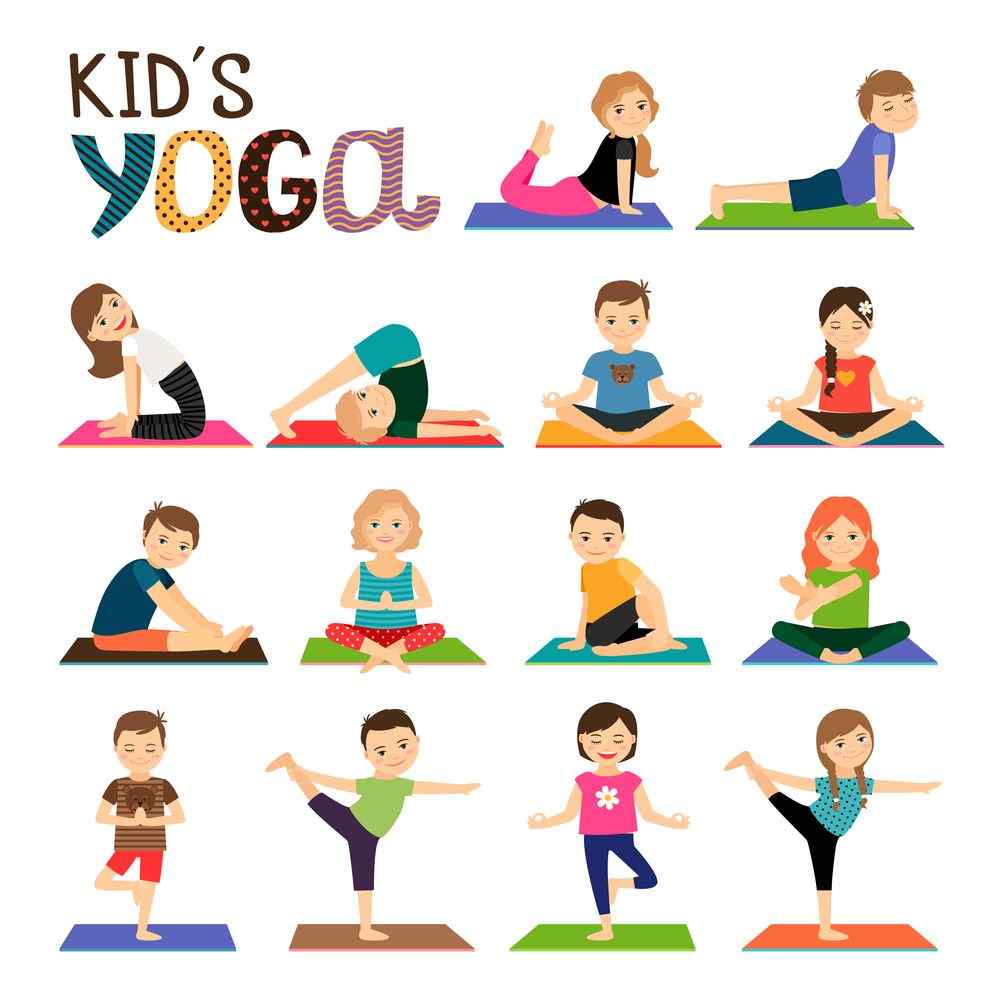
Finally, yoga is a certain body posture for some time. We usually don’t do these asanas in our daily life. Through this yoga, our limbs and body parts get rejuvenated and further increase our mind control!
Frequently Asked Questions
What Is The Most Powerful Yoga Pose?
The most powerful yoga pose is often considered the Headstand (Śīrṣāsana). It builds strength, balance, and focus while energizing the body and mind.
What Are The 12 Basic Yoga Postures?
The 12 basic yoga postures are Mountain, Downward Dog, Child’s Pose, Cobra, Tree, Triangle, Standing Forward Bend, Seated Forward Bend, Half Spinal Twist, Plank Pose, Bridge Pose, and Corpse Pose. These poses improve balance, strength, flexibility, and relaxation.
Can You Lose Belly Fat Doing Yoga?
Yoga helps reduce belly fat by strengthening core muscles, boosting metabolism, improving digestion, and lowering stress levels. Consistent practice and a healthy diet promote lasting fat loss and a flatter stomach.
What Are The 4 Main Yogas?
The four main yogas are Karma Yoga (selfless action), Bhakti Yoga (devotion), Jnana Yoga (knowledge), and Raja Yoga (meditation and control). These paths guide physical, mental, and spiritual growth in yoga practice.
Conclusion
Practicing these yoga poses daily improves your strength and flexibility. Each pose helps calm your mind and body. Start with simple poses like Mountain and Tree Pose. Gradually add stretches and gentle backbends for balance. Remember to breathe deeply and move with care.
Yoga supports both physical and mental well-being. Keep practicing regularly to feel more relaxed and energized. Embrace the journey of yoga one pose at a time.
Here, we assemble the most beneficial yoga poses to prevent & cure unpleasant body illnesses as well as mental freshness.