Cupping therapy has become a popular topic among athletes, fitness enthusiasts, and people looking for new ways to recover after exercise. If you watched the Olympics, you may have noticed swimmers or runners with round, purple marks on their backs and shoulders.
These marks come from cupping therapy—a traditional practice now making its way into modern sports recovery rooms. But how does it work? Can it really help your muscles heal faster? Let’s explore the real science and practical facts behind cupping therapy for muscle recovery.
What Is Cupping Therapy?
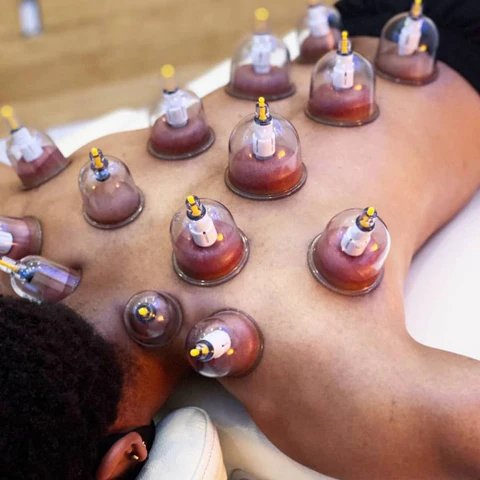
Cupping therapy is an ancient healing technique used in various cultures, including Chinese, Middle Eastern, and Egyptian medicine. The process involves placing special cups, often made of glass or silicone, on the skin to create suction. This suction pulls the skin and underlying tissue upward. There are two main types:
- Dry cupping: Only suction is used.
- Wet cupping: Includes mild suction plus a small skin cut to draw out blood.
In modern sports therapy, dry cupping is most common. The treatment usually lasts between 5 and 20 minutes, and the cups can be left stationary or moved gently across the skin.
How Does Cupping Therapy Work For Muscle Recovery?
The main idea behind cupping therapy is that suction increases blood circulation to the area where the cups are placed. More blood flow can help speed up the body’s natural healing process. Here’s what happens step by step:
- Suction pulls blood to the surface of the skin, causing the famous round marks.
- Improved circulation brings more oxygen and nutrients to muscle tissue.
- Lymphatic drainage is stimulated, helping remove waste products from muscles.
- Fascial release: The upward pull can help loosen tight fascia (the thin tissue around muscles).
In theory, all these effects can help muscles recover faster after intense activity or injury.
Credit: musclelab.la
What Does The Research Say?
Cupping therapy is still being studied, but some research suggests positive effects for muscle recovery. In a 2018 review published in the Journal of Traditional and Complementary Medicine, researchers found that cupping reduced muscle pain and increased range of motion after exercise. Another small study showed that athletes who received cupping therapy reported less muscle soreness 24 hours after training compared to those who did not.
However, it is important to note that:
- Many studies have small sample sizes.
- Not all results are consistent.
- Some benefits might be due to the placebo effect.
Still, more athletes and therapists are using cupping as a complementary recovery tool.
Key Benefits Of Cupping Therapy For Muscles
Let’s break down the main reasons why people use cupping therapy for muscle recovery:
1. Increased Blood Flow
When the cup creates suction, it draws blood to the treated area. This can help deliver fresh oxygen and nutrients to tired muscles and remove waste products like lactic acid.
2. Reduced Muscle Soreness
Many users report that cupping helps reduce delayed onset muscle soreness (DOMS). This is the pain and stiffness you feel 24-72 hours after exercise.
3. Improved Range Of Motion
Athletes sometimes use cupping to help increase flexibility and range of motion. This is especially useful for people with tight muscles or stiff joints.
4. Faster Healing
By boosting circulation and lymphatic drainage, cupping may help speed up recovery from muscle strains or minor injuries.
5. Relaxation And Stress Relief
The feeling of suction and the warmth from the cups can help relax the nervous system. This may reduce stress and promote a sense of well-being.
6. Breaking Up Scar Tissue
Some therapists believe that cupping can help break down adhesions or scar tissue in the muscles, which may help with chronic tightness or old injuries.
7. Non-invasive And Drug-free
Cupping offers a natural alternative to medications or invasive treatments. It is generally safe when performed by a trained professional.
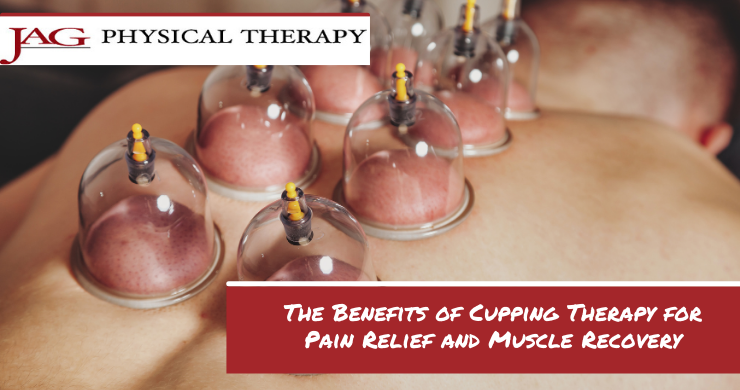
Credit: www.jagpt.com
Who Should Consider Cupping Therapy?
Cupping therapy is used by:
- Professional athletes: Swimmers, runners, and football players often use cupping as part of their recovery.
- Fitness enthusiasts: Anyone who works out regularly can benefit, especially after hard training.
- People with chronic muscle pain: Cupping may help manage long-term pain or stiffness.
However, it is not suitable for everyone. People with certain health conditions—like blood disorders, skin infections, or who use blood-thinning medications—should avoid cupping.
How Is Cupping Therapy Performed?
A typical session involves these steps:
- The therapist explains the process and checks for any health concerns.
- You lie down, and the therapist places cups on the chosen areas (often back, shoulders, or legs).
- Suction is created using heat or a pump.
- Cups stay on the skin for 5-20 minutes.
- Cups are removed gently.
You might feel a tight sensation during the treatment, but it should not be painful. The round marks left behind usually fade within a week.
Types Of Cupping Used For Muscle Recovery
Here’s a look at the most common cupping methods in sports and recovery clinics:
| Type | Description | Common Use |
|---|---|---|
| Dry cupping | Suction only, no blood drawn | Muscle soreness, stiffness |
| Moving cupping | Cup is moved over oiled skin | Large muscle groups, fascia release |
| Wet cupping | Suction plus tiny skin incision | Traditional medicine, not common in sports |
| Fire cupping | Heated cup placed on skin to create vacuum | Classic method, relaxing effect |
| Silicone cupping | Flexible cups, often used for self-treatment | Home use, gentle therapy |
Most muscle recovery protocols use dry or moving cupping.
Comparing Cupping Therapy To Other Recovery Methods
Many athletes want to know how cupping stacks up against more common recovery tools. Here is a simple comparison:
| Method | How it Works | Best For | Key Drawback |
|---|---|---|---|
| Cupping Therapy | Suction improves blood flow | Soreness, flexibility | Visible marks, mixed evidence |
| Massage | Manual pressure on muscles | Tension, relaxation | Can be expensive |
| Foam Rolling | Self-massage using roller | Myofascial release | Can be uncomfortable |
| Ice Baths | Cold reduces inflammation | Swelling, recovery after games | Can be unpleasant, risks for some |
Cupping is unique because it uses negative pressure (pulling up), while massage and foam rolling use positive pressure (pressing down).
What To Expect After A Cupping Session
After cupping therapy, you may notice:
- Round red or purple marks where the cups were placed
- Mild soreness, similar to a bruise
- A feeling of relaxation or lightness
These marks are not true bruises and should fade in a few days. To speed up healing, drink plenty of water and avoid intense exercise on the treated area for 24 hours.
Common Myths And Facts About Cupping
Let’s clear up some misunderstandings:
- Myth: Cupping is painful.
Fact: It should not hurt. You may feel tightness, but pain means the suction is too strong.
- Myth: Only athletes benefit.
Fact: Anyone with muscle tension or soreness can use cupping.
- Myth: The marks are dangerous.
Fact: The circular marks are harmless and usually fade quickly.
- Myth: It removes toxins from the body.
Fact: There is little scientific proof for toxin removal, but it does boost blood flow and lymphatic drainage.
- Myth: All cupping is the same.
Fact: Techniques, cup materials, and suction strength can vary a lot.
Possible Risks And Side Effects
Cupping therapy is generally considered safe, but you should be aware of a few risks:
- Skin irritation or mild discomfort
- Temporary marks lasting up to a week
- Rare infections if equipment is not properly cleaned
To stay safe, always use a trained professional and make sure clean cups are used. Avoid cupping over broken skin, wounds, or varicose veins.
Tips For Getting The Best Results
If you decide to try cupping for muscle recovery, here’s how to get the most benefit:
- Choose a certified therapist: Make sure they have experience with sports recovery.
- Tell your therapist about any health issues or medications.
- Stay hydrated before and after your session.
- Rest the treated area for at least a day.
- Combine with other recovery methods like stretching, foam rolling, or massage for best results.
- Be consistent: For ongoing muscle issues, a series of sessions may be more effective than a one-time treatment.
- Listen to your body: If you feel pain or unusual discomfort, let your therapist know right away.

Credit: www.amazon.com
Two Insights Beginners Often Miss
- Cupping is not a quick fix. Many beginners expect instant results after one session. In reality, most benefits come from regular treatments over time, especially for chronic muscle issues.
- Cup placement matters. Where the cups are placed is just as important as how they are used. Professionals select areas based on your muscle tension, movement patterns, and even posture, which can make a big difference in outcomes.
Scientific Evidence And Expert Opinions
While cupping therapy has been used for thousands of years, modern research is still catching up. Some medical professionals remain skeptical, while others see it as a useful tool when combined with other recovery methods. According to the National Institutes of Health, cupping can be effective for musculoskeletal pain, but more high-quality studies are needed to confirm all the benefits.
Frequently Asked Questions
What Does Cupping Therapy Feel Like During Treatment?
Most people describe the feeling as a tight or pulling sensation. It is not usually painful, but the skin does feel a strong upward pull. If you feel pain or burning, let your therapist know so they can adjust the suction.
How Long Do The Cupping Marks Last?
The marks usually fade within 3 to 7 days. In some cases, especially with strong suction or sensitive skin, they may last up to two weeks. The marks are not harmful and should not cause pain.
How Often Should I Get Cupping Therapy For Muscle Recovery?
For most people, once a week is enough for maintenance. During intense training or competition, some athletes use cupping two to three times per week. Always follow advice from a qualified therapist based on your personal needs.
Can I Do Cupping Therapy At Home?
Some people use silicone cups for self-treatment at home. However, professional cupping is safer and more effective, especially for beginners. Home cupping should be done carefully to avoid injury or infection.
Is Cupping Therapy Safe For Everyone?
Cupping is generally safe for healthy adults, but it is not recommended for people with bleeding disorders, skin infections, or those taking blood thinners. Pregnant women should avoid cupping on the abdomen and lower back. Always consult a healthcare professional before starting any new therapy.
Cupping therapy offers a unique and natural approach to muscle recovery. While more research is needed to fully understand its benefits, many athletes and active people find it helpful for reducing soreness, improving flexibility, and speeding up healing. If you are looking for a drug-free way to support your muscles, cupping could be worth a try—just be sure to choose a trained professional and listen to your body.