
Are you looking for a way to stay active that’s gentle on your joints but still effective? Elliptical exercises might be just what you need.
If you’re a senior wanting to improve your fitness, balance, and overall health, using an elliptical machine offers a low-impact workout that’s easy to adapt to your pace. You’ll discover simple elliptical exercises designed specifically for seniors, helping you build strength, boost your energy, and feel more confident every day.
Keep reading to find out how these workouts can fit seamlessly into your routine and support your journey to better health.
Benefits Of Elliptical Workouts
Elliptical workouts offer many benefits for seniors. These exercises support overall health without stressing the body. The elliptical machine moves smoothly, making workouts comfortable and safe. Regular sessions help seniors stay active and independent. The following sections explain key benefits of elliptical exercises for older adults.
Low-impact Joint Friendly
Elliptical workouts protect joints by reducing impact. The pedals glide in a smooth motion, avoiding harsh jolts. This lowers the risk of joint pain and injuries. Seniors with arthritis or joint issues find ellipticals gentle and safe. It allows exercise without added strain on knees and hips.
Improved Cardiovascular Health
Using an elliptical boosts heart and lung function. It raises the heart rate steadily, improving endurance. Regular use helps control blood pressure and cholesterol levels. A stronger cardiovascular system supports better energy and stamina. This helps seniors enjoy daily activities more easily.
Enhanced Balance And Coordination
Elliptical workouts require steady movement and control. This helps improve balance by engaging core muscles. Better balance lowers the risk of falls, a common concern for seniors. Coordination between arms and legs also gets stronger. These improvements support safer movement in everyday life.
Full-body Muscle Engagement
Elliptical machines work many muscle groups at once. Legs, arms, and core all move together. This builds strength and tones muscles evenly. Strong muscles support joints and improve posture. Full-body engagement also burns more calories, aiding weight management. Seniors benefit from increased muscle function and overall fitness.
Credit: health.clevelandclinic.org
Getting Started Safely
Starting elliptical exercises safely is key for seniors. It helps avoid injuries and builds confidence. Taking simple steps ensures a smooth and enjoyable workout experience. Focus on selecting the right equipment, wearing proper gear, and preparing the body with warm-up and cool-down routines. These tips support long-term fitness and wellness.
Choosing The Right Elliptical
Pick an elliptical with low impact and adjustable resistance. Look for machines with sturdy handrails for balance support. Choose a model with a wide pedal base to fit your feet comfortably. Ensure the machine fits your height and stride length. Test the elliptical before buying to check comfort and ease of use.
Proper Footwear And Clothing
Wear shoes with good arch support and cushioning. Avoid shoes with slippery soles or worn-out tread. Choose lightweight, breathable clothing for comfort and movement. Loose-fitting clothes reduce overheating and allow easy motion. Dress in layers to adjust to room temperature during exercise.
Warm-up And Cool-down Tips
Start with 5 minutes of slow, gentle pedaling to warm up muscles. Add light stretches for legs, arms, and back before the workout. Cool down by slowing the pace for 5 minutes at the end. Stretch again after exercise to improve flexibility and reduce soreness. These steps help prevent stiffness and injuries.
Effective Elliptical Techniques
Effective elliptical techniques help seniors gain the most from each workout. Proper use improves fitness safely and comfortably. Techniques focus on resistance, speed, posture, and upper body engagement. These elements support heart health, muscle tone, and balance. Simple adjustments make the elliptical a low-impact, full-body exercise.
Adjusting Resistance And Speed
Start with low resistance to avoid strain. Increase resistance gradually as strength improves. Moderate speed helps maintain control and balance. Avoid rushing to prevent injury. Consistent pace supports steady heart rate and endurance. Vary resistance to challenge muscles differently during sessions.
Using Handlebars For Upper Body
Hold handlebars lightly to engage arms and shoulders. Push and pull gently to add upper body movement. This action tones arms and improves coordination. Keep hands relaxed to avoid tension. Moving arms with legs enhances overall calorie burn. Handlebar use helps seniors maintain full-body fitness.
Maintaining Good Posture
Stand tall with shoulders back and chest open. Keep head aligned with the spine to avoid neck strain. Engage core muscles for stability and balance. Avoid leaning too far forward or backward. Proper posture reduces joint stress and improves breathing. Good form supports longer, more effective workouts.
.jpg?width=960&length=960&name=Detail-of-active-woman-walking%20(1).jpg)
Credit: countryclubatwoodlandhills.seniorlivingnearme.com
Recommended Workout Plans
Creating the right elliptical workout plans helps seniors stay active safely. These plans improve heart health, muscle strength, and joint flexibility. Tailored workouts match different fitness levels and goals. Consistency and gradual progress are key for lasting benefits.
Beginner Sessions
Start with low resistance and slow speed to avoid strain. Walk on the elliptical for 10 minutes at a steady pace. Focus on smooth, controlled movements to build confidence. Rest if any discomfort occurs. Increase time by 2–3 minutes weekly.
Interval Training For Seniors
Alternate between slow and moderate speeds to boost endurance. For example, pedal slowly for 2 minutes, then faster for 1 minute. Repeat this cycle 4–6 times per session. Keep resistance low to protect joints. Interval training improves heart function and burns calories.
Duration And Frequency Guidelines
Aim for 20 to 30 minutes per workout session. Exercise at least 3 times each week for steady progress. Allow rest days to help muscles recover. Monitor how the body feels and adjust time accordingly. Consistent activity supports better mobility and overall health.
Combining Elliptical With Other Exercises
Combining elliptical workouts with other exercises helps seniors improve overall fitness. It adds variety and targets muscles that ellipticals may miss. This balanced approach supports strength, balance, and flexibility, key for healthy aging. Seniors feel more confident moving through daily tasks and reduce fall risk.
Incorporating Sit-to-stand Squats
Sit-to-stand squats mimic the natural motion of standing up from a chair. They build leg and hip strength, essential for daily activities. This exercise enhances muscle control and joint health. Start with a sturdy chair and slowly rise and sit back down. Repeating this builds endurance and functional strength.
Balance And Flexibility Routines
Balance exercises improve stability and reduce fall risks. Simple moves like standing on one foot or heel-to-toe walking challenge coordination. Stretching routines increase flexibility, easing stiffness and improving joint range. These exercises complement elliptical training by focusing on control and movement quality.
Strength Training Essentials
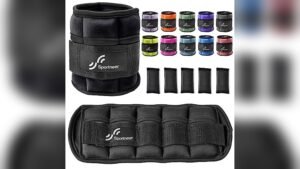
Strength training builds muscle mass and supports bone health. Using light weights or resistance bands targets arms, shoulders, and core muscles. It balances the lower-body focus of elliptical workouts. Regular strength sessions improve posture and help seniors maintain independence in daily life.

Credit: www.amazon.com
Overcoming Common Challenges
Starting elliptical exercises can be challenging for seniors. Some face joint pain, loss of motivation, or boredom. These hurdles can stop progress. Understanding how to manage them helps keep exercise safe and enjoyable. Let’s explore ways to overcome these common problems.
Managing Joint Pain
Joint pain often limits exercise for seniors. The elliptical is low-impact, reducing strain on hips and knees. Start with short sessions and low resistance. Warm up muscles gently before using the machine. Use proper posture to avoid extra pressure on joints. If pain occurs, stop and rest. Consult a doctor if pain persists. Regular elliptical use can strengthen muscles and ease joint discomfort over time.
Staying Motivated
Motivation fades quickly for many seniors. Set small, clear goals like exercising 10 minutes daily. Track progress to see improvements. Invite a friend to join for support and fun. Reward yourself after reaching milestones. Choose times of day when energy is highest. Vary workout intensity to keep sessions interesting. Remember, every step counts toward better health.
Preventing Boredom
Boredom can kill exercise routines. Change the elliptical program often to keep it fresh. Listen to music, podcasts, or audiobooks while exercising. Watch TV or videos to distract from monotony. Try interval training with bursts of speed and rest. Mix elliptical workouts with walking or stretching days. These tips make exercise feel less like a chore and more like enjoyment.
Tracking Progress And Staying Motivated
Tracking progress and staying motivated are key to enjoying elliptical exercises for seniors. Watching improvements keeps the exercise routine exciting and rewarding. Motivation helps seniors stick to their fitness goals and feel proud of their efforts. Simple tools and strategies can make this journey easier and more fun.
Using Fitness Apps And Devices
Fitness apps and devices help track workout time, calories, and distance. Many apps are easy to use and show progress clearly. Seniors can see daily, weekly, or monthly achievements on their phones or tablets. Some devices give reminders to exercise, keeping motivation high. This feedback makes it easier to stay on track and feel successful.
Setting Realistic Goals
Realistic goals keep seniors focused and prevent frustration. Start with small targets, like 10 minutes on the elliptical each day. Gradually increase time or intensity as strength improves. Clear, simple goals make progress measurable and doable. Achieving these goals boosts confidence and encourages continued effort.
Celebrating Milestones
Celebrating milestones adds joy to the fitness journey. Mark achievements like completing a week of workouts or reaching a time goal. Small rewards, such as a favorite healthy treat or a new workout song, encourage persistence. Sharing successes with family or friends can also provide extra support and pride.
Nutrition Tips For Active Seniors
Nutrition plays a vital role in supporting seniors who stay active with elliptical exercises. Eating well fuels the body and aids in recovery. It also helps maintain strength and joint health. Simple nutrition habits can make a big difference in energy and overall wellness.
Balanced Diet Essentials
A balanced diet includes proteins, carbohydrates, and healthy fats. Proteins help repair muscles and support strength. Whole grains provide energy for exercise sessions. Healthy fats, like those from nuts and fish, support brain and heart health. Seniors should also eat plenty of fruits and vegetables for vitamins and minerals. Small, frequent meals can help maintain energy levels throughout the day.
Hydration Strategies
Staying hydrated is crucial during and after elliptical workouts. Water helps regulate body temperature and prevents fatigue. Seniors should drink water before, during, and after exercise. Herbal teas and diluted fruit juices can add variety and fluids. Avoid sugary drinks and caffeine, which can cause dehydration. Carry a water bottle to remind yourself to sip often.
Foods That Support Joint Health
Joint health is important for seniors using ellipticals regularly. Omega-3 fatty acids found in fish like salmon reduce inflammation. Foods rich in antioxidants, such as berries and leafy greens, protect joints from damage. Calcium and vitamin D support strong bones; include dairy or fortified plant milk. Avoid processed foods high in sugar or salt, which may worsen joint pain. Eating these foods helps keep joints flexible and comfortable during exercise.
Frequently Asked Questions
How Long Should A Senior Use An Elliptical?
Seniors should use an elliptical for 20-30 minutes per session, 3-5 times weekly. Start slowly and increase duration gradually. Listen to your body and rest as needed to avoid strain. Consistency and moderate intensity support cardiovascular health and joint mobility.
What Is The Number One Exercise For Seniors?
The number one exercise for seniors is the squat, especially sit-to-stand movements. It builds strength, improves balance, and protects joints. Squats enhance daily function, prevent falls, and support longevity. Combining squats with walking or swimming creates a balanced fitness routine for healthy aging.
Is 30 Minutes A Day On The Elliptical Enough To Lose Weight?
Yes, 30 minutes daily on the elliptical can aid weight loss. Increase intensity and consistency for better results. Combine with a healthy diet for effective fat burning.
Is The Elliptical A Good Workout For Seniors?
The elliptical offers low-impact, full-body exercise ideal for seniors. It improves cardiovascular health, strengthens muscles, and supports joint mobility. Its adjustable resistance suits varying fitness levels, making workouts safe and effective. Regular use enhances balance, endurance, and overall well-being for older adults.
Conclusion
Elliptical exercises offer seniors a gentle way to stay active. They improve heart health, build strength, and support joint mobility. Regular use helps maintain balance and reduces fall risks. Start slow and increase time as comfort grows. Pair elliptical workouts with other simple activities like walking or stretching.
Staying consistent brings better energy and mood. Small steps lead to big health gains. Embrace movement to enjoy a happier, healthier life.