Parallette Exercises: The Complete Guide To Full-body Strength
Parallette exercises are changing the way people train at home and in the gym. These simple bars, often made from metal or wood, fit in small spaces but offer massive benefits. Whether you are a beginner or an advanced athlete, parallette bars help build strength, balance, and body control. But many people still do not know how to use them well or what makes them different from regular push-ups or dips.
This guide will show you everything you need to know about parallette exercises. You’ll learn how these tools work, the best exercises for all levels, and how to avoid mistakes that can slow your progress. If you want to train your chest, core, arms, or even improve your handstand, parallette bars are a smart choice.
Let’s explore why.
What Are Parallette Bars?
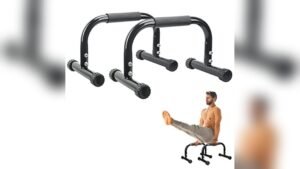
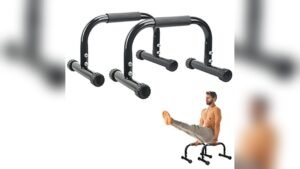
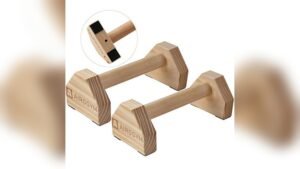
Parallette bars are two small, portable bars that sit parallel to each other on the ground. They are usually 10–15 inches high and about 18–24 inches long. The main idea is to give your hands a raised grip, letting you perform bodyweight exercises with more range and safety.
People often confuse parallettes with push-up bars or dip stations. While the concept is similar, parallettes are more versatile. You can use them for push-ups, L-sits, planches, and even dynamic moves like swing-throughs. They are especially popular in calisthenics, gymnastics, and functional fitness.
Benefits Of Parallette Exercises
Training with parallettes offers unique advantages:
- Better wrist position: The neutral grip reduces wrist pain compared to floor exercises.
- Greater range of motion: Your chest and arms can go lower, making exercises harder and more effective.
- More core activation: Many parallette exercises require you to stabilize your whole body.
- Improved balance and control: Moves like L-sits and handstands teach body awareness.
- Portable and easy to store: You can train almost anywhere.
Here’s a quick comparison between traditional floor exercises and their parallette versions:
| Exercise | Floor | Parallette |
|---|---|---|
| Push-up | Limited range, wrists bent | Deeper range, neutral wrists |
| Dips | Hard on shoulders, limited space | Safer, more control |
| L-sit | Hard to balance, low clearance | Higher clearance, easier to learn |
Credit: www.woolyyarn.com
Essential Parallette Exercises For Beginners
If you are new to parallettes, start with basic movements. These build the foundation for harder skills.
1. Parallette Push-ups
This is the simplest entry point. Place your hands on the bars, keep your body straight, and lower your chest below the bars before pushing up. The extra depth increases chest and triceps activation.
Tip: Keep elbows close to your body for more triceps focus.
2. Incline Plank Hold
Place both hands on the bars, legs straight back, and hold your body in a straight line. This builds core and shoulder stability. Beginners often overlook the importance of static holds—they are key for progress.
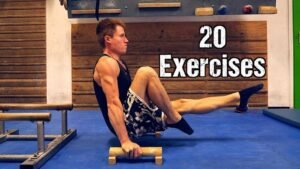
3. Tuck L-sit
Sit between the bars, grip them, and lift your hips off the ground with knees bent. This easier version helps you build core strength for the full L-sit.
4. Parallette Dips
With bars set parallel and close, support your weight with straight arms and lower your body by bending your elbows. Push up until your arms are straight. Start with feet on the floor for support.
5. Knee Raises
Hold the bars with locked arms and raise your knees toward your chest. This exercise targets your abs and builds grip strength.
Beginner insight: Many skip the basics and rush to advanced moves. Consistent practice of these simple exercises brings faster results in the long run.
Intermediate Parallette Exercises
Once you master the basics, try these to challenge your body more:
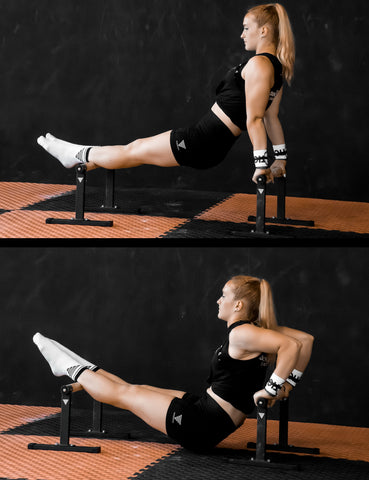
1. Full L-sit
Lift your body with straight arms and extend your legs out in front. The higher bars make it easier to clear your feet. This move demands strong abs and hip flexors.
2. Parallette Pike Push-ups
Start in a pike position (hips high, feet on floor), hands on bars. Bend elbows to lower your head between the bars, then push up. This trains your shoulders and triceps, and prepares you for handstand push-ups.
3. Swing Through
Start in an L-sit, swing your legs back between the bars, and extend into a plank. This dynamic move works shoulders, core, and coordination.
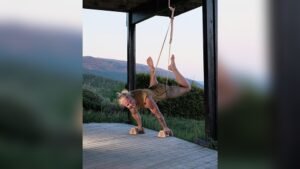
4. Tuck Planche
Balance your body above the bars with bent knees and tucked hips. The goal is to keep your feet off the ground. This is much harder than it looks and demands full-body tension.
5. Elevated Push-ups
Place feet on a raised surface and hands on parallettes. Lower your chest below the bars. This increases chest and shoulder activation, and adds intensity.

Credit: gravity.fitness
Advanced Parallette Exercises
Athletes with good strength and control can try these advanced skills:
1. Straddle Planche
Balance your body parallel to the ground, arms straight, legs wide apart. This requires powerful shoulders, core, and wrists.
2. Handstand
Kick up into a handstand with hands on the parallettes. The bars let you grip harder and protect your wrists. Handstands on parallettes are safer than on the floor for many people.
3. Handstand Push-up
From a handstand, lower your head between the bars and push back up. This is a top-level shoulder and triceps strength test.
4. V-sit
Like the L-sit but with legs higher than your hips. You need flexible hamstrings and a strong core.
5. Planche Push-up
The ultimate test: hold a planche, bend elbows to lower your body, and push up. Only try this after mastering all other exercises.
How To Build A Parallette Workout
A balanced workout includes pushing, core, and static holds. Here is an example routine for a full-body session:
- Parallette Push-ups: 3 sets of 8–12 reps
- L-sit Holds: 3 sets of 10–20 seconds
- Parallette Dips: 3 sets of 6–10 reps
- Pike Push-ups: 3 sets of 8–10 reps
- Tuck Planche Holds: 3 sets of 5–10 seconds
Rest 60–90 seconds between sets. Aim for quality, not quantity.
You can adjust the exercises based on your skill level. Beginners can replace L-sit with Tuck L-sit or do dips with feet on the ground. Advanced athletes can add handstand push-ups or planche holds.
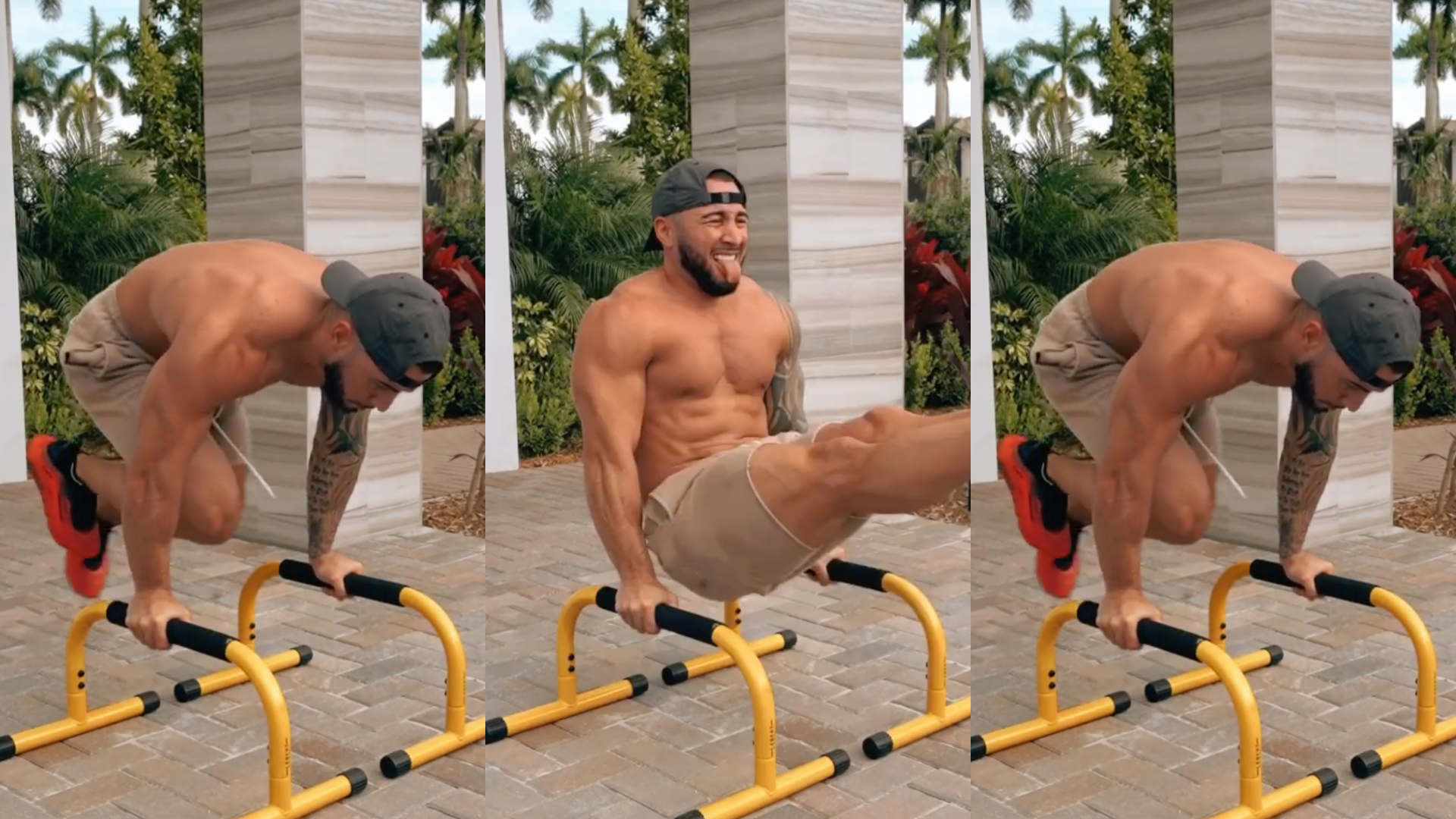
Credit: lebertfitness.com
Common Mistakes And How To Avoid Them
Many people make simple errors that slow progress or cause injury:
- Rushing to advanced moves: Skipping basics can lead to poor form and injury.
- Neglecting wrist warm-ups: Always warm up your wrists and shoulders.
- Poor range of motion: Don’t cheat reps. Go as deep as you can safely.
- Letting hips sag: In planks and holds, keep your body straight.
- Not resting enough: Parallette training is demanding. Listen to your body.
A common non-obvious insight: Grip strength often limits progress on parallettes. Train your grip with static holds and slow reps to see faster gains.
How Parallette Training Compares To Other Methods
People often ask if parallettes are better than push-up bars, floor work, or gym machines. The answer depends on your goals.
| Training Tool | Main Benefit | Main Limitation |
|---|---|---|
| Parallettes | Versatile, safe on wrists, full-body training | Requires balance, can be tough for beginners |
| Push-up Bars | Better push-ups, easy to use | Limited exercise variety |
| Gym Machines | Easy to load, isolates muscles | Less core activation, not portable |
| Floor-only | No equipment needed | Wrist strain, limited range |
Parallettes offer a mix of safety, challenge, and variety that is hard to beat for bodyweight training.
How To Choose The Right Parallettes
When buying parallettes, consider these factors:
- Height: Higher bars give more range but can feel unstable.
- Material: Wood offers better grip, metal is more durable.
- Width: Should fit your shoulder width; too wide makes exercises harder.
- Weight: Heavier bars are stable but less portable.
- Price: Good parallettes cost $30–$80.
Pro tip: Avoid buying the cheapest options. Poorly made bars can wobble or break, risking injury.
For more information about choosing quality fitness equipment, you can check this calisthenics guide.
Progression And Safety Tips
- Warm up your wrists, shoulders, and core before every session.
- Start with static holds (like planks and L-sits) before moving to dynamic reps.
- Add difficulty slowly—increase time in holds or reps, not both at once.
- Film yourself or use a mirror to check your form.
- If you feel joint pain, stop and adjust your technique.
- Clean your bars regularly. Sweat and dust make them slippery.
A key insight: Progress on parallettes is not always linear. Some days you will feel strong, others not. Stay patient and consistent.
Frequently Asked Questions
What Muscles Do Parallette Exercises Work?
Parallette exercises target the chest, triceps, shoulders, core, and even your back and legs in certain moves. For example, push-ups focus on chest and triceps, while L-sits and planches hit the abs and hip flexors hard.
Are Parallette Exercises Good For Beginners?
Yes. Many basic exercises like parallette push-ups and tuck L-sits are beginner-friendly. Start with static holds and partial reps, then progress as you get stronger.
Can I Build Muscle With Parallettes Alone?
Absolutely. With enough intensity and progression, parallettes can help you build serious muscle and strength. The key is to use a variety of exercises and increase difficulty over time.
How Often Should I Train With Parallettes?
2–4 times per week is enough for most people. Allow rest days for recovery, especially if you are doing demanding holds like planches or handstands.
Do I Need Expensive Parallettes To Start?
No. You can even make your own from PVC pipe or wood. Just make sure they are stable and can support your body weight.
Parallette exercises open a new world of bodyweight training. With regular practice, you will notice better strength, balance, and control. Whether you train at home or in the gym, these portable bars offer endless options for all fitness levels. Start simple, build up, and enjoy the progress that comes from mastering your own body.