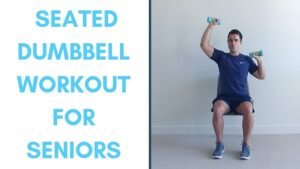
Are you looking for a simple, safe way to stay strong and active? Seated dumbbell exercises could be just what you need.
These workouts are designed to fit your pace and help you build muscle without putting stress on your joints. Whether you’re new to exercise or want to keep moving comfortably, seated dumbbell routines can improve your strength, balance, and overall well-being.
Keep reading to discover easy-to-follow exercises that you can do right from your chair—no fancy equipment or gym trips required. Your body will thank you for it!
Benefits Of Seated Dumbbell Workouts
Seated dumbbell workouts offer many benefits for seniors. They provide a safe and effective way to stay active. These workouts help improve strength, flexibility, and balance. Seniors can build muscle tone without risking injury. Simple seated exercises fit well into daily routines. They support overall health and independence.
Safety And Stability
Seated dumbbell exercises reduce fall risks. Sitting lowers the chance of losing balance. Seniors can focus on form and control. This makes workouts safer and less stressful. Chairs provide stable support during movements. It helps prevent injuries during strength training. Safety is a top priority for older adults. Seated exercises allow safe progression at any pace.
Improved Muscle Tone
Using dumbbells strengthens muscles gradually. Improved muscle tone helps with daily tasks. It supports joints and reduces aches. Strong muscles improve posture and endurance. Regular sessions increase muscle mass and strength. Even light weights can create noticeable results. Muscle tone helps seniors stay active longer. It also supports bone health and metabolism.
Enhanced Flexibility And Balance
Seated exercises increase joint flexibility gently. Better flexibility eases movement and reduces stiffness. These workouts improve balance and coordination. Stronger muscles support steadier posture. The result lowers the risk of falls and injuries. Flexibility and balance boost confidence in daily life. Regular practice helps maintain mobility with age.

Credit: www.vicentetorns.com
Choosing The Right Dumbbells
Choosing the right dumbbells is key for seniors starting seated exercises. The right dumbbell helps build strength safely and comfortably. It also keeps workouts enjoyable and effective. Several factors matter when picking dumbbells, including weight, material, grip, and style. Each choice impacts how well seniors perform their exercises and avoid injury.
Weight Selection Tips
Select dumbbells light enough for controlled movements. Start with 2 to 5 pounds for most exercises. Gradually increase weight as strength improves. Avoid weights that cause strain or poor form. Testing different weights helps find the best fit. Choose weights that challenge muscles without risking injury.
Material And Grip Options
Dumbbells come in various materials like neoprene, rubber, and metal. Neoprene and rubber offer a soft, non-slip grip. Metal dumbbells may feel harder but last longer. Look for a comfortable grip that fits your hand size. Textured handles improve grip and reduce slipping. Comfort and safety matter more than appearance.
Adjustable vs. Fixed Weights
Fixed dumbbells have one set weight and are easy to use. They are simple and durable, ideal for beginners. Adjustable dumbbells let you change weights with one tool. They save space and offer more workout variety. Adjustable dumbbell sets may cost more and require some setup. Choose based on convenience, budget, and space.
Warm-up Techniques For Seniors
Warming up prepares the body for exercise and reduces injury risk. Seniors should focus on gentle, controlled movements. Warm-ups help increase blood flow and loosen muscles. This procedure improves strength and flexibility for seated dumbbell exercises. Effective warm-ups include dynamic stretching and joint mobility movements.
Dynamic Stretching Exercises
Dynamic stretches involve moving muscles through a full range. They improve circulation and muscle elasticity. Examples include arm circles, leg swings, and torso twists. These movements raise heart rate slightly and warm muscles. Perform each stretch slowly and smoothly for 10 to 15 repetitions. Dynamic stretching helps seniors feel ready and steady before lifting dumbbells.
Joint Mobility Movements
Joint mobility exercises focus on increasing movement in key joints. They reduce stiffness and improve overall function. Seniors can perform neck rotations, shoulder rolls, and ankle circles. These movements promote joint lubrication and flexibility. Gentle, repeated motions help maintain healthy joints. Start with small circles and increase the range gradually. Joint mobility exercises prepare the body for safe and effective seated dumbbell workouts.
Credit: vckuanysh.kz
Upper-body-seated exercises
Upper body seated exercises offer seniors a safe way to build strength and maintain mobility. These movements target key muscle groups in the arms, shoulders, and chest. They improve posture and help with daily tasks like lifting and carrying. Using dumbbells while seated reduces strain on the lower body and supports balance. This approach suits seniors with limited mobility or joint concerns.
Performing these exercises regularly enhances muscle tone and joint flexibility. It also supports independence by boosting upper-body endurance. Each movement focuses on controlled, gentle motions to prevent injury. Seniors can choose light weights and increase them gradually as strength improves.
Seated Shoulder Press
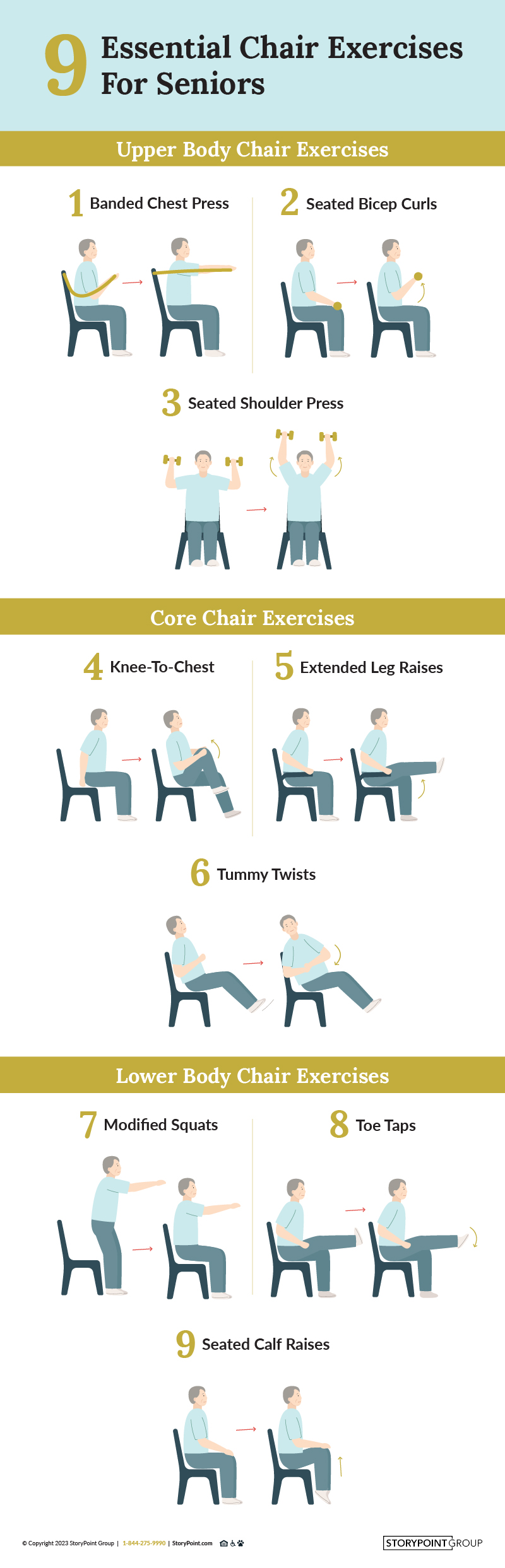
Sit upright with a dumbbell in each hand at shoulder height. Press the weights straight up until arms are fully extended. Lower slowly back to the start. This exercise strengthens the shoulders and upper arms. It also improves overhead reach and lifting ability.
Bicep Curls And Hammer Curls
Hold dumbbells with palms facing up for bicep curls. Curl weights toward the shoulders, then lower slowly. For hammer curls, keep palms facing each other. This technique works the biceps and forearms. These curls help with gripping and carrying objects.
Lateral Raises
Hold dumbbells at your sides with palms facing inward. Raise arms out to the sides until they reach shoulder height. Lower back down slowly. This move targets the shoulder muscles and improves arm mobility. Use light weights to avoid strain.
Triceps Extensions
Sit tall and hold one dumbbell with both hands behind your head. Extend your arms upward, then bend your elbows to lower the weight behind your head. This strengthens the triceps on the back of the arms. It helps with pushing movements and arm extension.
Chest Press Variations
Use dumbbells while seated or lying back on a bench. Press the weights forward from chest level until arms are straight. Lower with control. This exercise builds chest and arm strength. It supports activities like pushing doors or standing up from a chair.
Lower-body and core movements
Lower body and core strength are essential for seniors to maintain balance and mobility. Seated dumbbell exercises offer a safe way to build these muscles. These movements improve stability and support daily activities.
By focusing on the lower body and core, seniors can reduce the risk of falls. These exercises target key muscle groups without strain. The seated position adds extra support and comfort.
Seated Russian Twist
The seated Russian twist strengthens the core and obliques. Sit on a chair with feet flat and hold a dumbbell with both hands. Twist your torso slowly to one side, then to the other. Keep your back straight and move with control. This exercise improves trunk rotation and core stability.
Calf Raises
Calf raises build strength in the lower legs. Sit with your feet flat on the floor and hold dumbbells on your thighs. Lift your heels off the floor as high as you can, then slowly lower them back down. This movement enhances ankle strength and balance, which helps with walking and standing.
Modified Dumbbell Lunges
Modified dumbbell lunges work the thighs and glutes while seated. Sit on the edge of a chair and hold dumbbells at your sides. Extend one leg forward slowly, keeping your foot flat on the floor. Return to the starting position and repeat with the other leg. This exercise improves leg strength without putting pressure on the knees.
Full-body Compound Exercises
Full-body compound exercises engage multiple muscle groups at once. They improve strength, balance, and coordination. For seniors, these exercises help maintain independence and support daily activities. Using dumbbells while seated offers safety and control. This method reduces fall risk and adapts to limited mobility. Below are simple, effective seated compound exercises suitable for seniors.
Goblet squats are adapted for seating.
Hold a dumbbell close to your chest while sitting. Engage your core and straighten your back. Press through your feet to lift your hips slightly from the chair. Lower back down slowly with control. This movement strengthens legs and glutes. It also improves balance and posture without standing up.
Dumbbell Deadlifts With Support
Sit on the edge of a sturdy chair with feet flat. Hold dumbbells by your sides and keep your back straight. Slowly hinge forward from the hips, lowering the dumbbells toward your feet. Engage your hamstrings and glutes as you return to sitting upright. This exercise targets the lower body and core muscles. It supports mobility for daily tasks like bending and lifting.
Bent-over Rows Seated Variation
Sit tall with a dumbbell in each hand. Lean slightly forward from the hips, keeping your back flat. Pull the dumbbells toward your waist, squeezing your shoulder blades together. Lower the weights slowly back down. This exercise strengthens the upper back and improves posture. It also helps reduce the risk of falls by stabilizing the shoulders and spine.
Form And Technique Tips
Proper form and technique are vital for safe seated dumbbell exercises for seniors. Correct posture, movement, and breathing reduce injury risk. These tips help maximize workout benefits. Focus on small details for steady progress.
Maintaining Proper Posture
Sit firmly on a sturdy chair with feet flat on the floor. Keep your back straight but relaxed. Avoid slouching or leaning too far forward. Shoulders stay down and back, not raised. Engage your core muscles lightly to support the spine. Good posture protects joints and improves exercise effectiveness.
Controlled Movement Speed
Move the dumbbells slowly and steadily during each exercise. Avoid fast or jerky motions that can cause strain. A slow pace builds muscle control and strength. Pause briefly at the peak of each movement. Then lower the weights with care. This control helps maintain balance and reduces injury risks.
Breathing Patterns
Breathing correctly supports your efforts and prevents dizziness. Inhale deeply before lifting the dumbbells. Exhale steadily as you push or pull the weights. Avoid holding your breath during exercises. Steady breathing keeps oxygen flowing to your muscles. It also helps you stay focused and calm throughout your workout.
Listen to your body
Listening to your body is key during seated dumbbell exercises for seniors. It helps prevent injury and ensures each workout is safe. Paying attention to how your body feels guides you to exercise smartly and effectively.
Every movement should feel manageable. Some effort is normal, but discomfort and pain mean you must pause or change your routine. Understanding the difference between these sensations protects your health.
Recognizing Discomfort Vs Pain
Discomfort is a mild feeling that signals your muscles are working. It might feel like tightness or slight burning during exercise. Pain is sharper and more intense. It can be sudden or persistent.
Stop exercising if you feel pain. Do not ignore sharp or lasting sensations. Discomfort usually fades after a short break. Pain warns you that something is wrong.
Knowing this difference helps you avoid injuries. Trust your instincts and respect your body’s signals.
Adjusting Intensity Safely
Start with light weights to see how your body reacts. Increase weight or repetitions slowly over time. Avoid pushing yourself too hard, too swiftly.
If discomfort grows or pain appears, reduce the weight or stop the exercise. Take breaks when needed. Focus on smooth, controlled movements instead of speed.
Use a chair with adequate support for seated exercises. Keep excellent posture to lessen strain. Consistent adjustments keep workouts safe and effective for seniors.
Incorporating Seated Dumbbell Workouts Daily
Adding seated dumbbell workouts to daily life helps seniors build strength safely. These exercises improve muscle tone and joint flexibility. Sitting down reduces fall risk while lifting light weights. Consistency is key to gaining benefits from these workouts.
Simple routines that fit into everyday schedules make exercising easier. Short sessions, even 10 to 15 minutes, can boost energy and mood. Seniors can feel stronger and more independent by moving regularly. The key is to keep it gentle and steady.
Creating A Routine
Choose a time each day for seated dumbbell exercises. Morning or afternoon works well for many seniors. Start with a few basic moves like bicep curls and shoulder presses. Perform each exercise for 8 to 12 repetitions.
Use light weights to avoid strain and focus on form. Gradually increase reps or weight as strength improves. Keep track of progress in a journal or app. This helps maintain motivation and stay consistent.
Combining With Other Activities
Pair seated dumbbell workouts with gentle activities like walking or stretching. This mix supports overall fitness and balance. It also breaks up long periods of sitting.
Try light aerobic exercises or chair yoga after strength training. These improve heart health and flexibility. Staying active in different ways keeps the body strong and healthy. Daily variety also makes exercise more enjoyable.

Credit: www.youtube.com
Frequently Asked Questions
What Weight Dumbbells Should a 70-Year-Old Use?
A 70-year-old should start with light dumbbells, typically 2 to 5 pounds. Choose weights that allow 10-15 controlled reps without strain. Gradually increase weight based on comfort and strength gains. Prioritize proper form and avoid pain during exercises.
Do Seated Exercisers Work for Seniors?
Seated exercisers help seniors improve muscle tone, flexibility, and heart health safely. They support strength and mobility with low injury risk.
What Are The Best Dumbbell Exercises For Elderly People?
The best dumbbell exercises for the elderly include goblet squats, bent-over rows, seated shoulder presses, bicep curls, and dumbbell deadlifts. Use light weights, focus on form, move slowly, and warm up properly to build strength and prevent falls.
Can I Do Dumbbell Exercises While Sitting?
Yes, you can do dumbbell exercises while sitting. Seated exercises improve strength, flexibility, and balance safely. Use light weights and maintain proper form.
Conclusion
Seated dumbbell exercises offer seniors a safe way to stay strong. These moves improve muscles, balance, and daily movement. Using light weights helps avoid injury and builds confidence. Regular practice supports better health and independence. Start slow and focus on good form every time.
Staying active feels good and makes life easier. Keep moving, stay steady, and enjoy the benefits.