Getting your body ready before exercise is key, especially as you get older. You might wonder, “Why should I bother with warm-up exercises?” The answer is simple: warming up helps prevent injuries, boosts your energy, and makes your workout more effective.
If you want to move easier, feel stronger, and enjoy your activities without pain or stiffness, these senior warm-up exercises are made just for you. Keep reading, and discover easy, safe moves that will prepare your muscles and joints, so you can stay active and feel your best every day.
Benefits Of Warm Ups For Seniors
Warming up before any physical activity is especially important for seniors. It prepares the body for exercise and reduces the risk of injury. Warm-ups help seniors move more freely and feel better throughout the day. They also support overall health and independence.
Improved Mobility
Warm-ups gently stretch muscles and joints. This increases flexibility and range of motion. Seniors find it easier to perform daily tasks like walking and bending. Better mobility also helps reduce stiffness and discomfort in the body.
Increased Blood Flow
Warm ups raise the heart rate gradually. This boosts blood flow to muscles and organs. Increased circulation delivers oxygen and nutrients where the body needs them most. It also helps remove waste from muscles, reducing soreness and fatigue.
Enhanced Balance And Strength
Warm up exercises activate key muscles used for balance. This lowers the risk of falls and injuries. Strengthening muscles through warm ups supports posture and stability. Seniors gain confidence moving around safely and steadily.
Bodyweight Squats
Bodyweight squats are a simple and effective warm-up exercise for seniors. They help prepare your legs and hips for physical activity. Squats improve blood flow and increase joint flexibility. This exercise does not require any equipment, making it easy to do anywhere. Performing bodyweight squats regularly can support better balance and strength over time.
Step-by-step Guide
Start by standing with your feet shoulder-width apart. Keep your chest up and your back straight. Slowly bend your knees and lower your hips as if sitting on a chair. Stop when your thighs are parallel to the floor. Hold this position for a second. Push through your heels and return to the starting position. Repeat this movement for 10 to 15 repetitions. Move slowly and avoid any sudden jerks.
Muscle Activation
Bodyweight squats activate several important muscles. The quadriceps in the front of your thighs work hard to bend and straighten your knees. Your glute muscles in the buttocks engage to help you stand up. The hamstrings at the back of your thighs support the movement. Your core muscles also tighten to keep your balance. This exercise helps improve strength and coordination in these areas.
Jumping Jacks
Jumping jacks are a simple and effective warm-up exercise for seniors. They help increase heart rate and blood flow quickly. This exercise also loosens muscles and joints. It prepares the entire body for more intense activity. Jumping jacks can be done anywhere, requiring no special equipment. They are gentle enough for most seniors to perform safely.
How To Perform
Stand with your feet together and arms at your sides. Jump your feet out to the sides while raising your arms above your head. Jump back to the starting position with feet together and arms down. Keep a steady, comfortable pace. Breathe evenly and avoid locking your knees. Repeat for 10 to 20 repetitions to warm up the body.
Cardio Benefits
Jumping jacks raise your heart rate quickly. This helps improve cardiovascular fitness over time. The exercise boosts circulation and oxygen flow to muscles. It can increase endurance and energy levels. Regular practice may lower the risk of heart disease. Jumping jacks also help burn calories and maintain a healthy weight. This makes them a great choice for senior warm-ups.
Arm Circles
Arm circles are a simple, effective warm-up exercise for seniors. They gently prepare your shoulders and arms for activity. This exercise boosts blood flow and improves joint mobility. Arm circles are low-impact and easy to perform anywhere. They help reduce stiffness and increase flexibility in the upper body.
Technique Tips
Stand tall with feet shoulder-width apart. Extend your arms straight out to the sides. Make small circles forward using your whole arm. Keep movements slow and controlled. After 10-15 circles, reverse the direction. Avoid shrugging your shoulders or locking your elbows. Breathe evenly throughout the exercise to stay relaxed.
Shoulder Mobility
Arm circles improve the range of motion in your shoulders. This helps with daily tasks like reaching and lifting. The exercise warms up the shoulder joints and muscles. It can reduce pain and stiffness over time. Regular practice supports better posture and upper body strength. Aim to include arm circles in your daily warm-up routine.
Lunges
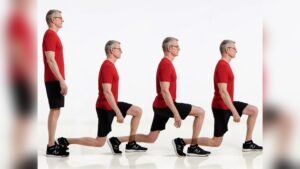
Lunges are an excellent warm-up exercise for seniors. They help improve leg strength and joint mobility. Lunges also prepare the hips and knees for more activity. This exercise boosts balance and coordination. It gently engages multiple muscle groups. Lunges can be modified for different fitness levels. Performing lunges with proper form reduces injury risk and maximizes benefits.
Proper Form
Stand tall with your feet hip-width apart. Step one foot forward, keeping your back straight. Lower your hips until both knees bend at about 90 degrees. The front knee should stay above the ankle. Do not let the back knee touch the floor. Push through the front heel to return to standing. Repeat on the other leg. Keep your core tight throughout the movement. Avoid leaning forward or rounding your back.
Balance And Hip Strength
Lunges challenge your balance by working one leg at a time. This improves stability and coordination. Strong hips support better posture and reduce fall risk. Hip strength helps with daily activities like walking and climbing stairs. Start with shallow lunges to build confidence. Use a chair or wall for extra support if needed. Gradually increase depth and repetitions as strength improves. Consistent practice enhances muscle endurance and joint flexibility.

Credit: www.silversneakers.com
High Knees
High knees are a simple yet effective warm-up exercise. They help prepare the body for physical activity. This exercise involves lifting your knees up towards your chest quickly while standing in place.
High knees increase your heart rate and warm up key muscles. They are gentle enough for seniors but still boost blood flow. This makes them ideal for starting any workout or daily movement routine.
Execution Steps
- Stand up straight with feet hip-width apart.
- Keep your back straight and arms relaxed at your sides.
- Lift your right knee up to waist level.
- Lower your right leg and quickly lift your left knee.
- Swing your arms naturally as you lift your knees.
- Continue alternating knees at a steady pace for 20 to 30 seconds.
- Stop if you feel any discomfort or dizziness.
Core And Leg Warm-up
High knees warm up your core muscles by engaging your abdominal area. They also activate your hip flexors and thigh muscles. This helps improve balance and coordination.
The leg movement increases circulation to your calves and hamstrings. It prepares these muscles for more intense exercises. This reduces the risk of injury and muscle stiffness.
Tips For Safe Warm-Ups
Warming up before exercise helps prevent injuries and improves performance. Seniors should take extra care to warm up safely. Gentle, mindful warm-up routines prepare muscles and joints for activity. A safe warm-up increases blood flow and reduces stiffness.
Focus on listening to your body during warm-ups. Modify exercises to suit your abilities. Staying hydrated supports muscle function and overall health. These tips help seniors warm up with confidence and safety.
Listen To Your Body
Pay attention to how your body feels during warm-ups. Stop if you feel pain or discomfort. Gentle stretching and slow movements reduce injury risk. Adjust the pace to avoid overexertion. Rest if you feel dizzy or tired. Your body knows when to slow down.
Modify Exercises As Needed
Not all exercises suit every senior. Change movements to fit your strength and flexibility. Use a chair for balance if needed. Avoid high-impact moves that strain joints. Start with shorter sessions and increase gradually. Adapt exercises to stay safe and comfortable.
Stay Hydrated
Drink water before, during, and after warming up. Hydration keeps muscles flexible and reduces cramps. Avoid sugary or caffeinated drinks before exercise. Carry a water bottle nearby for easy access. Hydration supports better performance and recovery.

Credit: www.youtube.com
Incorporating Warm Ups Into Daily Routine
Warming up is important before any physical activity, especially for seniors. It helps the body get ready and lowers the risk of injury. Adding warm-up exercises to daily life makes staying active easier. Small habits can lead to big health benefits over time. Let’s explore how to fit warm-ups into your daily routine.
Choosing The Right Time
Pick a time that fits your daily schedule. Some people prefer morning warm-ups to start the day. Others find it easier after lunch or before evening walks. The key is to choose a time when your body feels ready to move. Avoid times when you feel too tired or distracted. Short sessions, even five minutes, can be very effective.
Consistency For Best Results
Doing warm-ups regularly helps the body adjust and improves flexibility. Try to warm up every day or at least most days of the week. Consistent practice makes exercises feel easier and more natural. It also reduces stiffness and joint pain over time. Set reminders or pair warm-ups with daily habits like brushing teeth or morning coffee. This builds a routine that lasts.

Credit: www.gde.com.hk
Frequently Asked Questions
What Are 5 Warm-Up Exercises?
Five warm-up exercises include bodyweight squats, jumping jacks, arm circles, lunges, and high knees. These boost blood flow, increase heart rate, and improve flexibility. Perform each for 30 seconds to prepare your muscles and joints for physical activity.
What Is The 3 3 3 Rule For Exercise?
The 3-3-3 rule for exercise means doing three sets of three different exercises, each for three minutes. It boosts endurance and strength efficiently.
What Is The Number One Exercise For Seniors?
The number one exercise for seniors is walking. It improves cardiovascular health, boosts mood, and enhances mobility safely.
What Is The 12 8 4 Warm Up Method?
The 12 8 4 warm-up method involves performing 12 reps, then 8 reps, and finally 4 reps of an exercise. It gradually prepares muscles for intense activity. This approach increases blood flow, improves mobility, and reduces injury risk before workouts.
Conclusion
Senior warm-up exercises help your body get ready safely for movement. They increase blood flow and loosen muscles gently. Simple moves like squats, arm circles, and lunges improve strength and balance. Doing these exercises regularly can reduce injury risk and make daily activities easier.
Start slow and listen to your body’s signals. Keep your warm-up routine consistent for better health and mobility. Small steps lead to big improvements in how you feel. Stay active, stay safe, and enjoy the benefits every day.