Choosing the right yoga mat thickness can make a huge difference in your practice. You might wonder, “How thick should my yoga mat be?”
Whether you’re just starting out or have been practicing for years, the thickness affects your comfort, balance, and support. Too thin, and you risk discomfort on hard floors; too thick, and you might struggle to maintain your balance. You’ll discover the perfect thickness for your needs, how different styles of yoga impact your choice, and tips to protect your joints without losing stability.
Keep reading to find the mat that feels just right for you.
Mat Thickness Guide
Choosing the right yoga mat thickness can change your practice experience. The thickness affects your comfort, balance, and support during poses. This guide helps you find the best thickness for your needs and style.
Lightweight Mats For Stability
Thin mats are usually 1/16 inch (about 1.5 mm) thick. They offer a great floor connection. This helps improve balance in standing and fast-flowing yoga styles. Thin mats are easy to carry and store. They work well on soft surfaces like carpet.
Medium Thickness For Versatility
Mats around 1/8 inch (3 mm) thick suit many yoga types. They provide enough cushion for knees and joints. Medium mats balance comfort and stability. Perfect for Vinyasa, Ashtanga, and general yoga practice. These mats are a popular choice for beginners and experienced yogis.
Thick Mats For Comfort
Mats thicker than 1/4 inch (6 mm) focus on extra padding. They protect sensitive joints during slow or restorative yoga. Thick mats feel soft on hard floors. Ideal for Yin yoga, prenatal sessions, or those with knee pain. Keep in mind, thick mats may reduce balance in standing poses.
Choosing By Practice Style
Choosing a yoga mat by practice style helps you find the right balance of comfort and support. Different yoga styles demand various mat thicknesses. Your mat should suit your movements and body needs. Below are key points to consider based on your practice style.
Dynamic Flows And Thin Mats
Fast-paced yoga styles like Vinyasa or Ashtanga need thin mats. Thin mats keep you close to the floor. This closeness improves balance and stability during quick transitions. A mat around 3mm thick works well for dynamic flows. It offers enough grip without feeling bulky. Lightweight mats also make it easier to carry to class.
Slow Practices And Extra Cushion
Slow yoga styles such as Yin or Restorative require more cushioning. Thicker mats, about 5mm to 8mm, provide plush comfort. They protect your joints during long holds and gentle stretches. Soft padding helps reduce pressure on knees and hips. Choose a mat that supports relaxation and ease in your poses.
Joint Sensitivity Considerations
If you have sensitive joints, a thicker mat offers better protection. Extra padding cushions your knees, elbows, and wrists. Mats of 6mm or more are ideal for joint care. You may also use a folded blanket for added support. A cushioned surface helps prevent pain and injury during practice.
Mat Thickness On Hard Floors
Choosing the right yoga mat thickness is important, especially on hard floors. Hard surfaces can cause discomfort during poses. A mat that is too thin may not protect your joints well. Too thick a mat can make balancing difficult. Finding the right balance helps improve comfort and stability. This section explains the ideal thickness for hard floors, grip and balance factors, and advice from physical therapists.
Ideal Thickness Range
The best yoga mat thickness for hard floors is usually between 4mm and 6mm. This range offers enough cushioning to protect knees and elbows. It also keeps you close enough to the floor for good stability. Mats thinner than 3mm may feel too hard. Mats thicker than 6mm can feel soft but may reduce balance. A 5mm mat often works well for many people on hard floors.
Grip And Balance Factors
Grip is key on hard floors to prevent slipping. Mats with a textured surface provide better traction. This helps maintain balance during standing and flow poses. Thick mats may feel cushier but can make it harder to stay steady. Thin mats give better ground connection but less padding. A mat that balances grip and comfort improves your yoga practice on hard floors.
Physical Therapist Recommendations
Physical therapists suggest choosing a mat that supports your joints well. They recommend mats with 4mm to 6mm thickness for hard floors. This thickness helps reduce pressure on knees and wrists. Therapists also advise checking the mat’s material for good grip. A non-slip surface lowers injury risk. Using the right mat thickness can protect your body and improve your yoga experience.

Credit: cityofharrah.com
Balance Vs Cushion
Choosing the right yoga mat thickness means finding a balance between stability and comfort. Thin mats offer better balance but less cushioning. Thick mats provide more padding but can reduce stability. This balance affects your yoga practice and how your body feels during poses. Understanding these trade-offs helps you pick the best mat for your needs.
Trade-offs In Thickness
Thicker mats add cushion to protect your body. They absorb impact on hard floors. Thin mats let you feel the ground better. This improves your balance. But a smaller cushion can make some poses uncomfortable. Choosing thickness means weighing comfort against stability.
Impact On Stability
Thin mats provide a firm base. They keep your feet close to the floor. This helps with balance and control in standing poses. Thick mats create a soft surface. They can make balancing harder. Your body may wobble more on thick mats. Stability is key for flows and standing postures.
Support For Sensitive Joints
Thick mats protect knees, wrists, and elbows. They reduce pressure on sensitive joints. This is important for beginners or people with joint pain. Thin mats may feel too hard during kneeling or floor poses. An extra cushion can prevent discomfort and injury. Joint support improves comfort and safety.
Material And Grip
Material and grip are crucial factors in choosing the right yoga mat thickness. The mat’s surface affects your stability and comfort during practice. A good grip prevents slipping, especially on hard floors. The material also impacts durability and cushioning. Selecting the right combination helps protect your joints and improve your balance.
Non-slip Surfaces
Non-slip surfaces keep you steady while holding poses. Materials like natural rubber offer excellent traction. Textured mats create friction between your hands, feet, and the mat. This reduces the risk of slipping during flow or balance poses. A secure grip supports confident movement and better focus.
Durability And Comfort
Durable mats resist wear and tear from frequent use. High-quality materials maintain their shape and cushioning over time. Comfort comes from the right thickness paired with soft, yet firm material. Too-thin mats may wear out quickly and feel hard. Too-thick mats can feel unstable for standing poses.
Best Materials For Hard Floors
Hard floors need mats with a strong grip and good padding. Natural rubber and thermoplastic elastomer (TPE) mats perform well on such surfaces. They offer a balance between softness and stability. Foam mats provide extra cushioning but may lack grip. Choose materials that prevent sliding and protect your joints.

Credit: www.prosourcefit.com
Pros And Cons By Thickness
Choosing the right yoga mat thickness matters a lot. Thickness affects comfort, balance, and support during practice. Different thicknesses have distinct pros and cons. Understanding these can help select the best mat for your needs.
Benefits Of Thin Mats
Thin mats offer excellent ground connection. This helps improve balance in standing poses. They are perfect for fast or flow yoga styles. Thin mats are usually lighter and easier to carry. They also dry quickly after sweating. However, they provide less cushioning for joints.
Advantages Of Thick Mats
Thick mats give more padding and comfort. They protect knees and wrists during floor exercises. Ideal for slow or gentle yoga styles like Yin. Thick mats reduce pressure on hard floors. They help beginners or those with joint pain. But they may make balancing poses harder.
Portability And Weight Issues
Thicker mats tend to be heavier and bulkier. Carrying them around can be difficult. Thin mats roll up smaller and fit in backpacks better. If you travel or attend classes often, portability matters. Choose a mat that fits your lifestyle and practice needs.
Special Considerations
Choosing the right yoga mat thickness depends on more than just comfort. Special needs affect your choice. Your skill level, type of yoga, and body sensitivity all matter.
Understanding these factors helps pick the best mat for your practice. Here are key considerations for different yoga styles and experience levels.
Beginners And Extra Support
New yoga practitioners benefit from extra cushioning. Thicker mats protect knees and joints during poses. Soft padding reduces discomfort on hard floors.
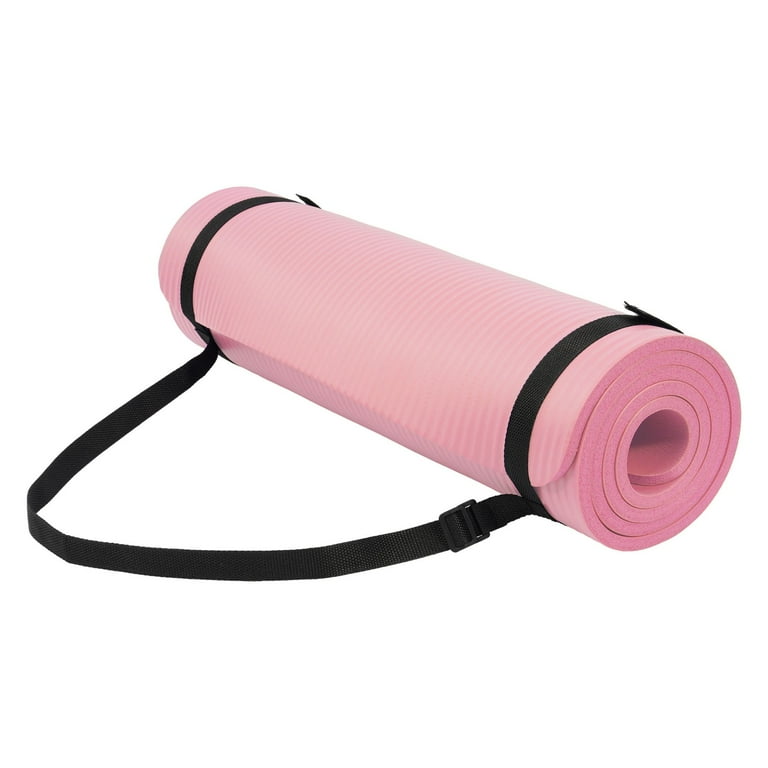
Beginner mats usually measure around 6mm thick. This thickness balances comfort and stability. It helps maintain balance without feeling too soft or unstable.
Advanced Practitioners’ Needs
Experienced yogis often prefer thinner mats. Mats between 3mm and 4mm allow better floor connection. This improves balance and posture control.
Thinner mats support dynamic flows and standing poses well. They feel firm and stable, preventing slipping. Grip is also crucial for safety during fast movements.
Meditation And Restorative Yoga
Restorative yoga and meditation require maximum comfort. Thick mats, 8mm or more, provide plush support for long holds. They cushion the body deeply.
This extra padding reduces pressure on hips and spine. Soft mats create a peaceful, relaxing space. They make seated or lying postures more comfortable.
Credit: www.walmart.com
Frequently Asked Questions
What Is The Best Thickness For A Yoga Mat?
The best yoga mat thickness ranges from 4mm to 6mm. Thinner mats (around 3mm) offer stability for dynamic flows. Thicker mats (5-6mm) provide cushioning for sensitive joints and restorative practices. Choose based on your practice style and comfort needs.
How Thick Should A Yoga Mat Be For A Hard Floor?
A yoga mat 5 to 6 mm thick offers good cushioning and support on hard floors. It balances comfort and stability for most practices. Choose thicker mats (8 mm or more) if you have sensitive joints or need extra padding.
Is A 6mm Or 8mm Yoga Mat Better?
A 6mm yoga mat offers better stability for dynamic styles like Vinyasa. An 8mm mat provides extra cushioning, ideal for sensitive joints or restorative yoga. Choose based on your practice style and joint comfort needs.
Is A 10 Mm Yoga Mat Too Thick?
A 10 mm yoga mat offers excellent cushioning, ideal for sensitive joints and restorative yoga. It may reduce balance in dynamic poses. Choose based on your practice style and comfort needs.
Conclusion
Choosing the right yoga mat thickness depends on your needs and practice style. Thinner mats offer better balance and connection to the floor. Thicker mats provide extra cushioning for sensitive joints or hard floors. Consider your comfort and stability to find the best fit.
Remember, the right mat helps you enjoy yoga safely and comfortably. Take time to try different options before deciding. Your perfect mat supports both your body and practice.