Are you ready to feel stronger, more energetic, and confident every day? Senior fitness routines are designed just for you—to help maintain your independence, improve your balance, and boost your overall health.
Whether you want to enjoy your favorite activities without pain or simply move more easily around your home, the right exercises can make all the difference. You’ll discover simple, effective workouts tailored to your needs that fit into your lifestyle.
Keep reading, and let’s unlock the secrets to staying active and vibrant at any age!

Credit: www.alzinfo.org
Benefits Of Senior Fitness
Senior fitness offers many benefits that improve quality of life. Staying active helps seniors maintain strength and energy. Regular exercise supports both body and mind as we age. It encourages better health and greater independence. Many seniors find their daily tasks easier through fitness routines.
Fitness also reduces the risk of many health problems. It boosts mood and mental sharpness. Older adults gain confidence and a sense of control. These benefits make exercise a key part of healthy aging.
Improved Mobility And Independence
Exercise strengthens muscles and joints. This helps seniors move more easily and safely. Better mobility means less risk of falls or injuries. It also allows seniors to live independently longer. Simple activities like walking or climbing stairs become easier. Staying active supports daily tasks without help.
Enhanced Mental Health
Physical activity improves mood and reduces stress. Exercise releases chemicals that make people feel happier. It helps fight depression and anxiety in older adults. Staying active also sharpens memory and focus. Group activities provide social interaction and reduce loneliness. Mental health improves alongside physical health.
Chronic Disease Management
Fitness routines help control many chronic conditions. Exercise lowers blood pressure and improves heart health. It helps manage diabetes by controlling blood sugar levels. Regular activity reduces joint pain and stiffness from arthritis. Exercise also supports lung function and breathing. Managing diseases with fitness improves overall well-being.
Key Exercise Types For Seniors
Choosing the right exercises helps seniors stay strong, steady, and healthy. A balanced routine includes several key types of activities. These exercises support muscle strength, balance, heart health, and flexibility.
Each type plays a different role in maintaining overall fitness. Together, they create a well-rounded fitness plan for seniors. The following sections explain these important exercise categories.
Strength Training
Strength training builds muscle and bone strength. It helps with daily tasks like carrying groceries or climbing stairs. Simple exercises use weights, resistance bands, or body weight. Examples include squats, wall push-ups, and calf raises. Aim for two or more sessions per week. This training reduces fall risk and improves posture.
Balance Exercises
Balance exercises prevent falls and increase stability. They train the body to stay steady on different surfaces. Tai Chi and standing on one foot are common balance activities. These exercises improve coordination and confidence in movement. Practicing balance daily helps maintain independence.
Aerobic Activities
Aerobic exercises strengthen the heart and lungs. Walking, swimming, and cycling are gentle options for seniors. These activities boost energy and help control weight. Aim for at least 150 minutes of moderate aerobic activity weekly. Aerobic exercises also support better sleep and mood.
Flexibility And Stretching
Stretching improves joint mobility and reduces stiffness. It helps seniors move more easily and lowers injury risk. Gentle stretches for the neck, shoulders, and legs are good choices. Stretching after exercise keeps muscles long and relaxed. Include flexibility exercises several times a week for best results.
Effective Strength Workouts
Effective strength workouts are vital for seniors to maintain independence and improve quality of life. Strength exercises help build muscle, support joints, and increase bone density. These workouts also boost metabolism and reduce the risk of falls. A simple, consistent routine can make a big difference in daily activities.
Squats For Functional Strength
Squats mimic the natural motion of sitting and standing. They strengthen the legs, hips, and core muscles. Performing squats improves balance and mobility. Start with chair squats by sitting down and standing up without using your hands. Gradually increase depth and repetitions as strength improves.
Resistance Training Options
Resistance training adds challenge to muscles for better strength gains. Use light weights, resistance bands, or machines. These tools help target different muscle groups safely. Aim for two sessions per week with exercises like bicep curls, leg presses, and shoulder raises. Keep movements slow and controlled to avoid injury.
Bodyweight Exercises
Bodyweight exercises are simple and require no equipment. They improve strength, flexibility, and balance. Examples include wall push-ups, calf raises, and seated leg lifts. These exercises can be done at home and adjusted to any fitness level. Consistency is key to seeing progress and maintaining muscle tone.
Balance Improvement Techniques
Improving balance is vital for seniors to stay safe and active. Good balance reduces the risk of falls and helps maintain independence. Simple routines can strengthen muscles and enhance coordination. Practicing balance exercises regularly builds confidence in daily movements.
Tai Chi And Mind-Body Exercises
Tai Chi involves slow, gentle movements that improve body awareness. It enhances balance by focusing on shifting weight smoothly from one leg to another. This low-impact exercise also reduces stress and increases flexibility. Mind-body exercises like yoga support balance by improving posture and breathing control. These practices are easy to learn and suitable for all fitness levels.
Simple Balance Drills
Simple drills can be done at home without equipment. Standing on one foot for 10 seconds helps improve stability. Heel-to-toe walking strengthens coordination and foot control. Chair stands, which involve sitting and standing repeatedly, build leg strength that is crucial for maintaining balance. These exercises should be done slowly and with care to avoid falls.
Using Props For Stability
Props like chairs, walls, or sturdy furniture provide support during balance exercises. Holding onto a chair while standing on one foot adds security. Using a balance board or cushion challenges muscles gently. Walking sticks or poles can help during outdoor walks. Props allow seniors to practice safely and gradually strengthen their balance skills.
Aerobic Workouts For Endurance
Aerobic workouts boost heart health and build stamina. Seniors gain endurance through regular aerobic exercise. These workouts improve breathing and energy levels. Choosing activities that suit individual ability keeps motivation high.
Walking And Low-impact Cardio
Walking is simple and effective for endurance. It can be done almost anywhere and needs no special equipment. Start with short walks and increase time gradually. Low-impact cardio like gentle step exercises reduces joint stress. These activities help maintain a steady heart rate safely.
Swimming And Cycling
Swimming provides full-body aerobic exercise without pressure on joints. It improves lung capacity and muscle tone. Cycling, either on a stationary bike or outdoors, is gentle on knees. Both activities support cardiovascular health and build endurance steadily. They offer variety to keep workouts interesting.
Dancing For Fun And Fitness
Dancing combines movement with music to boost mood and fitness. It is a fun way to increase heart rate and stamina. Gentle dance styles suit different fitness levels and encourage social interaction. Dancing enhances balance, coordination, and endurance simultaneously.
Sample Weekly Workout Plans
Creating a sample weekly workout plan helps seniors stay active and healthy. It provides structure and variety to keep exercises enjoyable and effective. A good plan balances strength, cardio, and flexibility exercises throughout the week. Below are examples of how to organize workouts for seniors.
Circuit Training Approach
Circuit training combines several exercises done back-to-back with little rest. It targets different muscle groups in one session. For seniors, a circuit could include chair squats, wall push-ups, and gentle step-ups. Repeat the circuit two or three times for a full workout. This approach keeps the heart rate up and builds strength at the same time.
Balanced Weekly Schedule
A balanced schedule spreads exercise types across the week. For example, Monday, Wednesday, and Friday focus on strength training. Tuesday and Thursday are for light cardio, like walking or cycling. Saturday can include flexibility exercises such as stretching or yoga. This method helps improve overall fitness without overworking any part of the body.
Rest And Recovery Days
Rest days are vital for muscle repair and energy restoration. Seniors should take one or two days off each week. On these days, light activities like slow walking or gentle stretching are best. Rest helps prevent injury and supports long-term fitness progress. Listen to the body and adjust rest days as needed.
Safety Tips For Senior Exercisers
Exercise is essential for seniors to stay healthy and active. Safety is key to prevent injuries and ensure a positive experience. Following simple safety tips helps seniors enjoy their fitness routines with confidence and ease.
Warm-up And Cool-down Routines
Start every session with a warm-up to prepare your body. Gentle movements like walking or stretching increase blood flow and loosen muscles. Spend at least five to ten minutes warming up. After exercise, cool down with slow stretches or light walking. This helps reduce muscle soreness and lowers heart rate safely.
Listening To Your Body
Pay close attention to how your body feels during exercise. Stop if you feel pain, dizziness, or shortness of breath. Mild muscle soreness is normal, but sharp pain is a warning. Rest when needed and avoid pushing beyond your limits. Listening to your body prevents injuries and supports steady progress.
Modifications For Health Conditions
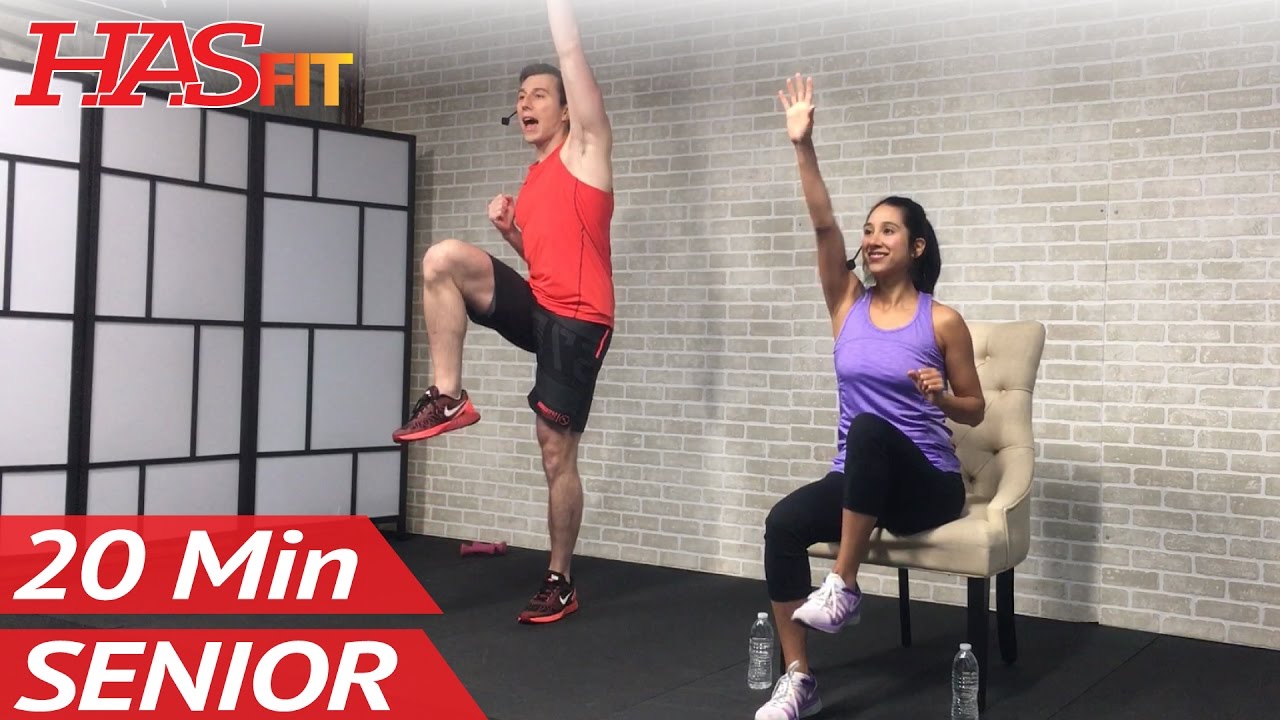
Many seniors have health conditions that require exercise adjustments. Modify movements to avoid strain on joints or muscles. For example, use a chair for balance or reduce the range of motion. Consult your doctor or physical therapist for personalized changes. These adaptations keep exercise safe and effective for everyone.
Credit: www.youtube.com
Tracking Progress And Staying Motivated
Tracking progress and staying motivated are key parts of any senior fitness routine. Regularly checking your achievements helps keep your spirits high. Motivation fuels consistency, making workouts more effective and enjoyable.
Simple tracking methods can make a big difference. Seeing small improvements boosts confidence and encourages continued effort. Staying motivated helps seniors maintain a healthy lifestyle and reach fitness goals steadily.
Setting Realistic Goals
Start with clear, achievable goals. Small steps lead to big results over time. Set targets that match your current fitness level. Avoid pushing too hard too soon. Celebrate each milestone to build confidence. Realistic goals keep you focused and reduce frustration.
Using Fitness Apps And Tools
Fitness apps help track workouts and progress easily. Many apps offer simple interfaces designed for seniors. They record steps, exercises, and even heart rate. Using tools like pedometers or smartwatches adds fun to fitness. These devices remind you to stay active throughout the day.
Joining Senior Fitness Groups
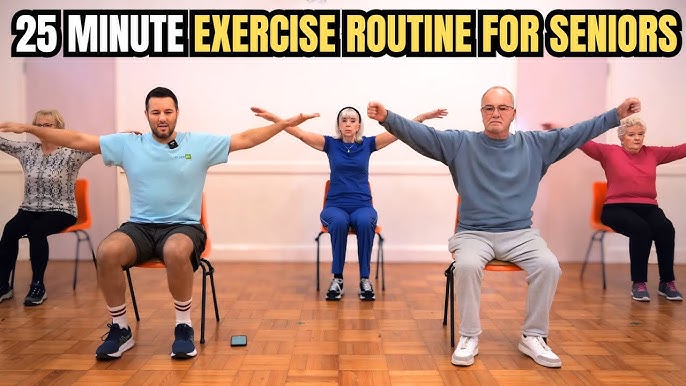
Group activities create a sense of community and support. Exercising with peers adds motivation and accountability. Senior fitness groups offer social interaction and shared goals. Friendly encouragement helps overcome challenges. Joining a group makes fitness routines more enjoyable and consistent.
Credit: www.youtube.com
Frequently Asked Questions
What Is The Best Exercise Schedule For Seniors?
Seniors benefit from a balanced weekly schedule: three days of strength training, three days of cardio, and one day of rest or active recovery. Include squats, resistance exercises, balance activities like Tai Chi, and aerobic workouts such as walking for overall health and mobility.
What Is The 3 3 3 Rule For Working Out?
The 3 3 3 rule for working out means three circuits, each with three exercises, repeated three times. It boosts strength and endurance efficiently.
What Is The Number One Exercise For Seniors?
Squats rank as the top exercise for seniors, improving strength and mimicking daily movements like sitting and standing. Combining squats with balance, strength, and aerobic exercises creates an effective, well-rounded fitness routine.
What Exercise Should A 70 Year Old Do Every Day?
A 70-year-old should do daily walking, gentle squats, balance exercises like Tai Chi, and light resistance training for strength.
Conclusion
Senior fitness routines help maintain strength, balance, and flexibility. Regular exercise supports independence and overall health. Simple movements, like squats and walking, build essential muscle groups. Including balance exercises reduces fall risk and improves mobility. Aim for a mix of strength, balance, and aerobic activities weekly.
Consistency matters more than intensity for lasting benefits. Start slow and increase activity gradually to avoid injury. Stay active to enjoy a better quality of life every day.