Are you curious about how fit and strong your body really is as you age? The Senior Fitness Test is designed just for you—to give a clear picture of your physical health in simple, everyday movements like standing up from a chair, reaching, walking, and lifting.
This test helps you understand your strength, flexibility, balance, and endurance—all crucial for maintaining independence and feeling your best. Ready to discover how well your body supports your lifestyle? Keep reading to learn about the easy-to-follow tests that can empower you to take control of your fitness and well-being.
Senior Fitness Test Basics
The Senior Fitness Test is a set of simple exercises. These exercises check physical abilities important for daily life. It helps understand how well seniors can move and stay active. The test is safe and easy for older adults to do. Results show strengths and areas needing improvement.
Regular testing can guide seniors to improve fitness. It also helps prevent falls and injuries. The test supports healthy aging by encouraging physical activity. Caregivers and health professionals use it to plan care and exercise.
Purpose And Benefits
The test measures physical fitness related to daily activities. It aims to keep seniors independent and healthy. Results help track fitness changes over time. The test motivates seniors to stay active and strong.
Benefits include better balance, strength, and flexibility. It can reduce the risk of falls and illness. The test also improves confidence in movement. It supports a better quality of life for seniors.
Key Fitness Areas Evaluated
The test looks at several important fitness areas. These include strength, flexibility, endurance, and balance. Strength is checked with chair stands and arm curls. Flexibility is measured by reach tests for arms and legs.
Aerobic endurance is tested by timed walking or stepping exercises. Balance is observed through standing and movement tasks. Each area shows how well the body works in daily life. The test gives a full picture of senior fitness.

Credit: us.humankinetics.com
Core Test Components
The Senior Fitness Test assesses key areas of physical health essential for older adults. These core test components help evaluate overall fitness and daily function. The test focuses on strength, flexibility, endurance, balance, and agility.
Each component uses simple exercises. These exercises reflect common movements needed for everyday activities. The results guide safe and effective fitness plans for seniors.
Strength Assessments
Strength assessments measure muscle power in the arms and legs. The Chair Stand Test checks lower body strength by timing how many stands a person completes in 30 seconds. The Arm Curl Test measures upper body strength by counting arm curls with a light weight.
Strong muscles support mobility and reduce fall risk. These tests show how well seniors can perform daily tasks like lifting and standing.
Flexibility Evaluations
Flexibility evaluations test the range of motion in joints and muscles. The Chair Sit and Reach Test checks lower body flexibility by reaching toward the toes while seated. The Back Scratch Test measures upper body flexibility by reaching one hand over the shoulder and the other behind the back to touch fingers.
Good flexibility helps seniors move easily and prevent injuries. These tests reveal tight or weak areas needing attention.
Aerobic Endurance Measures
Aerobic endurance tests assess heart and lung fitness during sustained activity. The Two-Minute Step Test counts how many steps a person can complete in two minutes at a steady pace. This test shows cardiovascular health and stamina.
Aerobic endurance supports independence and daily energy levels. These measures indicate how well seniors handle activities like walking or climbing stairs.
Balance And Agility Checks
Balance and agility checks evaluate stability and coordination. Tests may include standing on one leg or timed up-and-go tasks, where a senior stands, walks a short distance, and sits back down.
Good balance reduces fall risk and improves confidence. Agility helps seniors react quickly to changes in their environment.
Strength Exercises
Strength exercises play a vital role in senior fitness tests. They measure muscle strength and endurance. These tests help assess the ability to perform daily activities. Strong muscles reduce the risk of falls and injuries. They also improve balance and mobility. Two common strength exercises are the Chair Stand Test and the Arm Curl Test.
Chair Stand Test
The Chair Stand Test measures lower body strength. It requires standing up and sitting down from a chair repeatedly. The test counts how many times this can be done in 30 seconds. This exercise helps assess leg strength and endurance. Strong legs support walking, climbing stairs, and rising from a seated position. It is a simple and safe test for older adults.
Arm Curl Test
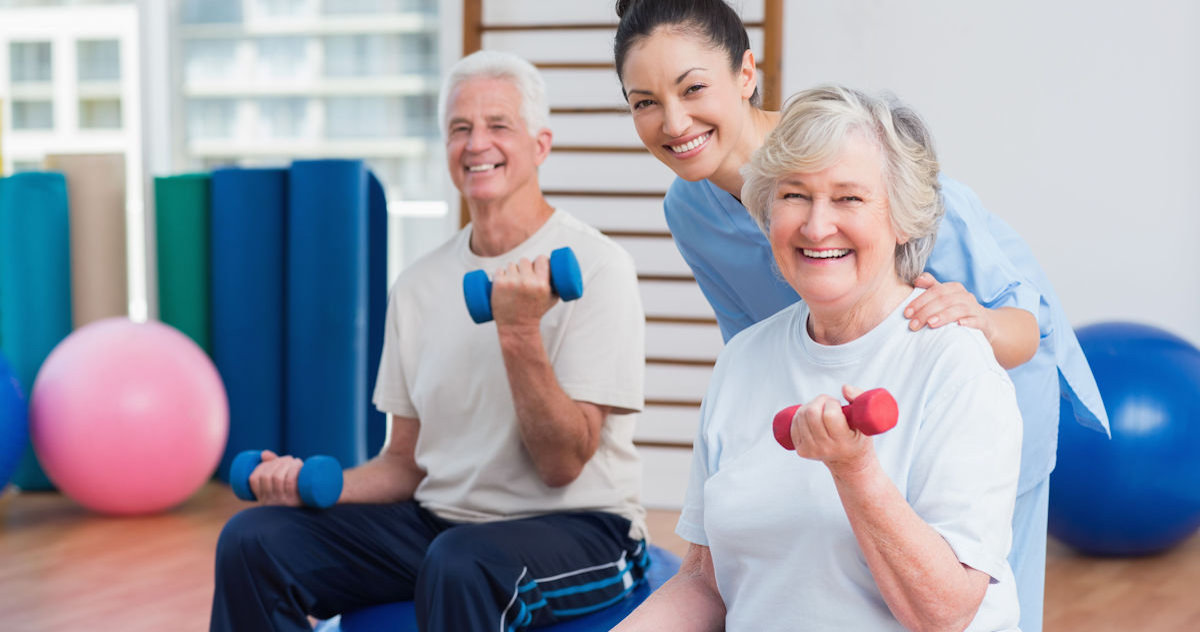
The Arm Curl Test measures upper body strength. It involves lifting a light weight with one arm repeatedly. The number of curls completed in 30 seconds is recorded. This test helps check arm and shoulder strength. Strong arms assist with carrying groceries, lifting objects, and other daily tasks. It is easy to perform and requires minimal equipment.
Credit: www.ifafitness.com
Flexibility Exercises
Flexibility exercises are vital for seniors. They help maintain joint health and reduce injury risk. These exercises improve the range of motion and ease daily activities. Regular flexibility training supports better balance and posture. It also helps seniors stay independent longer.
Chair Sit And Reach Test
The Chair Sit and Reach Test measures lower body flexibility. Sit at the edge of a sturdy chair. Extend one leg straight with the heel on the floor. Slowly reach forward toward the toes with both hands. The distance reached shows hamstring and lower back flexibility. This test helps identify tight muscles that may limit movement.
Back Scratch Test
The Back Scratch Test checks upper body flexibility. Reach one hand over the shoulder and down the back. Reach the other hand up the middle of the back from the waist. Try to touch or overlap the middle fingers. This test measures shoulder and arm flexibility. It highlights areas needing improvement for better arm movement.
Aerobic Fitness Exercises
Aerobic fitness exercises are essential for maintaining heart and lung health in seniors. These exercises improve endurance and help with daily activities. Regular aerobic activity can boost energy and promote overall well-being.
Simple tests measure aerobic fitness safely and effectively. They provide clear information about cardiovascular health. Two common tests are the Step-In-Place Test and the Six-Minute Walk Test.
Step-in-place Test
The Step-In-Place Test is easy and requires no special equipment. Seniors step up and down in place for two minutes. The test counts the total steps taken in this time. It measures aerobic endurance and leg strength.
This test helps track progress in fitness programs. It also shows how well the heart and lungs supply oxygen. The test is safe for most seniors and can be done at home.
Six-minute Walk Test
The Six-Minute Walk Test measures how far a person can walk in six minutes. It assesses endurance and overall aerobic fitness. This test reflects real-life activities like walking to the store or around the house.
Seniors walk at their own pace. The distance covered is recorded. This test shows improvements in heart and lung function over time. It is simple, low-risk, and highly effective for fitness evaluation.

Credit: www.researchgate.net
Balance And Agility Exercises
Balance and agility exercises play a vital role in senior fitness tests. They help improve stability and quickness. These exercises reduce the risk of falls and injuries. Seniors gain confidence in daily movements. These exercises also boost coordination and body control.
Dynamic Balance Drills
Dynamic balance drills challenge the body to stay steady while moving. Examples include heel-to-toe walking and standing on one leg. These drills help improve posture and muscle control. They train the brain and muscles to work together. Regular practice enhances the ability to react to sudden changes in position.
Simple movements, like shifting weight from side to side, build strength. These drills prepare seniors for real-life tasks such as walking on uneven surfaces. Consistent training supports joint stability and reduces stiffness.
Agility Movements
Agility movements focus on speed and coordination. They include side steps, quick turns, and ladder drills. These exercises improve the ability to change direction smoothly. Improved agility helps prevent slips and trips.
Short bursts of movement boost heart rate and muscle response. Agility training also enhances reflexes and balance under pressure. Practicing these movements regularly increases confidence in walking and other activities.
Performing Tests Safely
Performing senior fitness tests safely is essential to get accurate results and avoid injuries. Older adults may have different health conditions and fitness levels. Taking proper safety measures helps protect their well-being during the tests. Careful preparation and clear safety guidelines create a secure testing environment. This section explains how to prepare and stay safe while doing these important fitness assessments.
Preparation Tips
Choose comfortable clothing and supportive shoes before the test. Stay hydrated by drinking water ahead of time. Avoid heavy meals at least one hour before testing. Inform the tester about any health issues or medications. Warm up gently with light stretching to loosen muscles. Rest well the night before to improve focus and energy. Have a trusted person nearby for assistance if needed. Plan enough time to complete the test without rushing.
Safety Precautions
Test in a well-lit, clutter-free area to prevent falls. Use sturdy chairs and stable surfaces for support. Follow the tester’s instructions carefully and ask questions if unclear. Stop immediately if feeling pain, dizziness, or shortness of breath. Move at a comfortable pace without pushing too hard. Keep emergency contact information accessible during testing. Check equipment before use to ensure it is safe. Regularly review health status with a doctor before testing.
Tracking Progress
Tracking progress in a Senior Fitness Test helps seniors understand their health improvements. It shows changes in strength, flexibility, and endurance over time. This motivates continued effort and highlights areas needing more attention. Recording and reviewing fitness data is key to staying on track and achieving better results.
Recording Results
Write down scores from each test clearly and immediately. Use a notebook or digital app for easy access. Include dates to compare progress over weeks or months. Accurate records reveal trends and help spot improvements or declines.
Keep notes simple and consistent. For example, record the number of chair stands or seconds for a flexibility test. This clarity makes tracking straightforward and less confusing.
Setting Fitness Goals
Set clear, achievable goals based on recorded results. Goals might include more chair stands or longer walking distances. Break big goals into small steps for steady progress.
Focus on one or two fitness areas at a time. This avoids overwhelm and improves success chances. Adjust goals as fitness improves or challenges arise. Goals give purpose to each workout and boost motivation.
Adapting Exercises At Home
Adapting exercises at home helps seniors stay active safely and comfortably. It creates a familiar space for regular workouts. Small changes make big differences in exercise routines. This approach fits individual needs and home settings well. Seniors gain confidence by using easy methods and tools.
Simple Equipment Options
Use household items as exercise tools. Chairs provide support for balance and strength moves. Water bottles work as light weights for arm exercises. Towels offer resistance for stretching and flexibility. Resistance bands are affordable and easy to store. These tools help improve strength and mobility at home.
Modifications For Different Abilities
Adjust exercises to match ability levels. Start with seated exercises for limited mobility. Increase challenge by standing or adding light weights. Slow movements reduce injury risk and build control. Use support from furniture or a caregiver when needed. Every senior can find a comfortable way to exercise.
Benefits Of Regular Testing
Regular senior fitness testing helps track physical health over time. It shows how strength, flexibility, and endurance change. Testing reveals areas that need improvement. This knowledge guides safe exercise plans.
Frequent testing also builds awareness of fitness levels. It highlights progress and motivates seniors to keep moving. Early signs of decline appear clearly, allowing timely action. Staying informed supports better aging and quality of life.
Motivation To Stay Active
Seeing test results can inspire seniors to exercise regularly. Clear goals come from knowing current abilities. Achieving small improvements boosts confidence. This encourages a consistent fitness routine.
Regular feedback makes physical activity feel rewarding. It helps seniors set realistic targets. Positive changes keep interest alive. Motivation grows stronger with each test.
Preventing Age-related Decline
Testing detects early signs of muscle loss and stiffness. Identifying these issues helps prevent falls and injuries. Adjustments to activity plans reduce health risks. Staying active slows down physical decline.
Regular fitness checks support independence longer. They help maintain balance, strength, and flexibility. This reduces the chance of hospital visits. Prevention leads to a safer, healthier life.
Frequently Asked Questions
What Does The Senior Fitness Test Include?
The Senior Fitness Test includes chair stand, arm curl, chair sit and reach, back scratch, two-minute step, six-minute walk, and balance tests. It measures strength, flexibility, endurance, and agility in older adults.
How Many Sit Ups Should A 70 Year Old Be Able To Do?
A typical 70-year-old should aim for 11-14 sit-ups in one minute, considered average in the Senior Fitness Test.
What Are The Three Tests For Senior Citizens To Check Fitness Ability?
The three senior fitness tests are Chair Stand Test for lower body strength, Arm Curl Test for upper body strength, and Chair Sit and Reach Test for flexibility.
What Is The Back Scratch Test For Senior Citizens?
The back scratch test measures upper body flexibility in seniors. They reach one hand over the shoulder and the other behind the back. The goal is to see how close the fingers come together, indicating shoulder flexibility and mobility.
Conclusion
The Senior Fitness Test helps track important health areas like strength and flexibility. It uses simple activities such as chair stands and arm curls. These tests show how well seniors can move and stay active. Regular testing can guide safe exercise and improve daily living.
Staying fit supports independence and overall well-being. Try to include these exercises in your routine. Keep moving, stay healthy, and enjoy a better quality of life.