Choosing the right protein can make a big difference in your health, especially when it comes to cholesterol. Many people use protein supplements like whey or plant-based protein to build muscle, lose weight, or improve their diets. But, not everyone realizes how these proteins affect cholesterol levels. If you are concerned about heart health, understanding the differences between whey protein and plant protein is important.
This article will help you see how both types of protein impact cholesterol. We’ll look at the science, compare their effects, and give you clear advice so you can make the best choice for your body. Along the way, you’ll discover some surprising facts that most beginners miss, and you’ll learn how to avoid common mistakes when choosing your protein supplement.
What Is Whey Protein?
Whey protein is a high-quality protein made from milk. When milk is turned into cheese, whey is the liquid that remains. This liquid is then processed into powder. It is popular among athletes and people looking to add more protein to their diets.
There are three main types of whey protein:
- Whey protein concentrate: Contains some fat and lactose, but is rich in protein.
- Whey protein isolate: Almost all lactose and fat are removed, so it’s nearly pure protein.
- Whey protein hydrolysate: Predigested for faster absorption.
Whey protein is known for its complete amino acid profile, which means it contains all nine essential amino acids. Your body needs these to build muscle, repair tissue, and support your immune system.
What Is Plant Protein?
Plant protein comes from plants such as peas, rice, soy, hemp, and pumpkin seeds. These proteins are made by drying and grinding the plants, then extracting the protein. Plant-based protein powders are popular among vegans, vegetarians, and people with milk allergies.
Common sources of plant protein include:
- Soy protein
- Pea protein
- Rice protein
- Hemp protein
- Pumpkin seed protein
Most plant proteins are lower in some amino acids, but many brands mix different sources to create a complete protein. Plant proteins often contain more fiber and less saturated fat than animal-based proteins.

Credit: plantigo.in
How Cholesterol Works In The Body
Cholesterol is a waxy, fat-like substance found in your blood. Your body needs cholesterol to make hormones, vitamin D, and help digest food. There are two main types:
- LDL cholesterol (“bad” cholesterol): Too much can build up in blood vessels, raising heart disease risk.
- HDL cholesterol (“good” cholesterol): Helps remove LDL from the blood.
High cholesterol, especially high LDL, is a risk factor for heart disease and stroke. Diet plays a key role in controlling cholesterol levels.
How Whey Protein Affects Cholesterol
Whey protein has been studied for its effects on cholesterol. Some research shows that whey protein can lower LDL cholesterol and total cholesterol. One review in the American Journal of Clinical Nutrition found that people who took whey protein for 12 weeks had lower total cholesterol and LDL cholesterol compared to those who didn’t.
Here’s why whey protein may help with cholesterol:
- Bioactive peptides: Whey contains small proteins that may block the production of cholesterol in the liver.
- Improved blood sugar control: Better blood sugar means lower triglycerides, which are linked to cholesterol problems.
- Increased satiety: You feel fuller, so you may eat less unhealthy fat.
But, not all studies agree. Some research finds no major change in cholesterol with whey protein use, especially if your overall diet is high in saturated fat.
Practical Example
A 50-year-old man with high cholesterol tries adding 25 grams of whey protein isolate to his daily smoothie. After three months, his LDL cholesterol drops by 10%. However, he also reduced fried foods and sugar, which helped the results.
Key Insight
Many people think all whey protein is the same. But, whey protein isolate has less fat and lactose, which is better for cholesterol than whey concentrate.
How Plant Protein Affects Cholesterol
Plant protein is often linked to lower cholesterol. Many plant proteins contain compounds called phytosterols, which block cholesterol absorption in the gut. Soy protein, in particular, has been shown to lower LDL cholesterol.
A meta-analysis in the Journal of Nutrition found that eating soy protein lowered LDL cholesterol by about 5-7%. Pea and hemp proteins are also being studied, but soy has the strongest evidence.
Here’s why plant protein may help:
- No cholesterol or saturated fat: Unlike animal proteins, plant proteins don’t raise cholesterol.
- High fiber content: Fiber helps the body remove cholesterol.
- Phytosterols and antioxidants: These plant compounds protect your heart.
Practical Example
A 35-year-old woman switches from whey to a soy protein shake, drinking 30 grams a day. After two months, her LDL cholesterol falls by 8%. She also notices better digestion from the added fiber.
Key Insight
Not all plant proteins are equal. Soy protein has the most research, but mixed plant blends (pea, rice, hemp) can still help, especially if you eat them as part of a balanced diet.
Comparing Whey And Plant Protein For Cholesterol
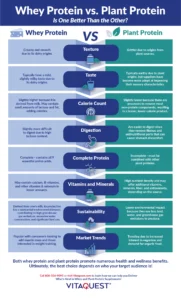
Let’s look at a side-by-side comparison of how these proteins impact cholesterol:
| Feature | Whey Protein | Plant Protein |
|---|---|---|
| Source | Dairy (milk) | Soy, pea, rice, hemp, etc. |
| Cholesterol Content | Some (depends on type) | None |
| Saturated Fat | Low to moderate | Very low |
| Fiber | None | Some (varies) |
| Effect on LDL Cholesterol | Possible reduction | Strong reduction (especially soy) |
| Amino Acid Profile | Complete | Varies (blends are complete) |
Which Protein Is Better For Lowering Cholesterol?
Both whey and plant proteins can help lower cholesterol, but plant protein (especially soy) has a stronger effect. If your main goal is to reduce LDL cholesterol, plant protein is usually the better choice.
However, whey protein is still a good option if you want a complete protein, are not vegan, and have no milk allergy. It can help lower cholesterol as part of a heart-healthy diet, especially if you choose whey protein isolate.
One hidden advantage of plant proteins is the fiber and antioxidants they offer. These extra nutrients support heart health in ways whey protein cannot.
Scientific Studies: What The Research Shows
Many studies compare whey protein and plant protein for cholesterol:
- A 2016 study in the journal Lipids in Health and Disease followed 70 overweight adults. Those taking 30 grams of soy protein daily had a 6% drop in LDL cholesterol. The whey protein group saw a 3% drop.
- The American Heart Association recommends plant-based diets for heart health, noting that plant proteins like soy can lower cholesterol better than animal proteins.
- A review published in the British Journal of Nutrition found that whey protein may lower blood pressure and cholesterol, but the effects are smaller than with soy protein.
Here is a summary of findings from different studies:
| Study | Protein Type | LDL Reduction |
|---|---|---|
| Meta-analysis (Journal of Nutrition, 2011) | Soy Protein | 5-7% |
| RCT (Lipids Health Dis., 2016) | Whey Protein | 3% |
| Review (Br. J. Nutr., 2015) | Whey vs Soy | Soy stronger |

Credit: www.healthline.com
Common Mistakes When Choosing Protein For Cholesterol
- Ignoring added ingredients: Some protein powders have added sugar, artificial flavors, or unhealthy fats that can raise cholesterol.
- Assuming all plant proteins are the same, Soy protein has the strongest effect on cholesterol. Pea and rice proteins are good but may need to be blended for a complete amino acid profile.
- Not checking the fat content: Whey protein concentrate can have more saturated fat than isolate. Always read the label.
- Overeating protein: Too much protein, even plant-based, can add extra calories and may not lower cholesterol further.
- Forgetting about the rest of your diet: Protein powder is just one part of your diet. Eating lots of red meat, butter, and fried foods can cancel out any benefits.
Practical Tips For Lowering Cholesterol With Protein
- Choose unsweetened, low-fat protein powders.
- If using plant protein, look for soy protein or a blend that includes soy.
- Add protein powder to healthy smoothies with fruits, vegetables, and oats.
- Pair protein shakes with exercise for best results.
- Read labels for cholesterol, saturated fat, and fiber content.
A smart way to start is by swapping one meal a day with a protein smoothie and tracking your cholesterol after a few months.
Who Should Choose Whey Protein?
- People without milk allergies or lactose intolerance
- Those wanting a complete protein for muscle building
- Anyone who prefers the taste and texture of whey
If you have high cholesterol but want to use whey, pick whey protein isolate and avoid products with added fats or sugars.
Who Should Choose Plant Protein?
- Vegans and vegetarians
- People with milk allergies or lactose intolerance
- Anyone looking to lower cholesterol or improve heart health
For best results, use soy protein or blends with pea, rice, and hemp. Make sure the product offers all essential amino acids.
Additional Insights Beginners Often Miss
- Fiber content matters: Most plant protein powders contain more fiber than whey. Fiber helps remove cholesterol from your body.
- Mixing proteins can be powerful: Some people combine whey and plant proteins for taste and nutrition. This approach gives you the benefits of both, but always check the ingredients for extra fat or sugar.
Where To Learn More
For more details about the science behind protein and cholesterol, see this review of dietary proteins and cardiovascular risk.
Credit: vitaquest.com
Frequently Asked Questions
What Type Of Protein Lowers Cholesterol The Most?
Soy protein has the strongest effect on lowering LDL cholesterol, followed by other plant proteins like pea and hemp. Whey protein may help but is less effective than soy.
Is Whey Protein Bad For Cholesterol?
Whey protein is not bad for cholesterol, especially if you choose low-fat or isolate forms. It may help lower cholesterol when used as part of a healthy diet.
Can I Use Both Whey And Plant Protein Together?
Yes, you can mix whey and plant proteins. This can improve taste and nutrition. Just make sure the combined product is low in fat and sugar.
How Much Protein Should I Take Daily To Lower Cholesterol?
Most studies use 25–30 grams per day. Always check with your doctor before starting new supplements, especially if you have health concerns.
Are Flavored Protein Powders Okay For Cholesterol?
Flavored powders can be fine, but many contain added sugar or fat. Choose unsweetened or naturally flavored options to avoid extra calories and unhealthy ingredients.
Finding the right protein for your cholesterol goals is possible with the right information. By choosing wisely and looking beyond the label, you can support your heart health and enjoy the benefits of a high-protein diet.