If you’re looking to strengthen your legs and sculpt your lower body, cable leg exercises with ankle straps are a game-changer. These exercises target muscles you might miss with traditional workouts, giving you a more balanced, toned look.
Whether you’re aiming to build muscle, improve stability, or increase flexibility, using ankle straps with a cable machine offers controlled resistance that adapts to your movements. Ready to discover how to maximize your leg day and get results faster? Keep reading to learn the best cable leg exercises with ankle straps that you can start doing today.

Credit: www.beargrips.com
Benefits Of Cable Leg Exercises
Cable leg exercises with ankle straps offer many benefits. They target muscles in a controlled way. The exercises help improve leg strength and muscle tone. Using cables allows smooth resistance throughout the movement. This makes workouts more effective and safer. Many fitness levels can benefit from these exercises. The following sections explain key benefits in detail.
Improved Muscle Strength
Cable leg exercises focus on muscles like glutes, hamstrings, and quads. The constant resistance builds muscle power steadily. Stronger muscles support better daily movement and sports performance. You can adjust the cable weight to match your strength. This helps muscles grow without risking injury.
Enhanced Stability And Balance
These exercises require controlled movements and body control. This challenges your balance and stability muscles. Ankle straps add resistance that forces your body to stabilize. Over time, this improves your coordination and reduces fall risk. Better balance also helps in activities like walking or running.
Increased Range Of Motion
Cable leg workouts allow full movement of the hip and knee joints. The cables provide resistance through the entire motion path. This encourages flexibility and joint mobility. A wider range of motion helps prevent stiffness and muscle tightness. It also supports better performance in sports and daily tasks.
Choosing The Right Ankle Straps
Choosing the right ankle straps is essential for effective cable leg exercises. The right straps ensure safety, comfort, and better workout results. Not all ankle straps fit every user or machine. Picking the best option depends on a few key factors.
Material And Comfort
Look for ankle straps made from soft, durable materials. Neoprene and padded fabrics reduce skin irritation. Comfortable straps let you focus on your workout. Avoid straps with rough edges or stiff materials. Good padding protects your ankles during exercise.
Attachment Compatibility
Check if the ankle straps fit your cable machine’s hooks or clips. Some straps have D-rings or carabiners for easy attachment. Choose straps that connect securely and do not slip. Proper attachment keeps the cable stable while exercising. Confirm compatibility before buying to avoid issues.
Adjustability And Support
Adjustable ankle straps fit different ankle sizes. Velcro closures provide quick and firm adjustments. Proper support prevents the strap from moving during workouts. Straps should stay tight but not cut off circulation. Adjustable straps offer more control and comfort.
Setup And Safety Tips
Setting up cable leg exercises with ankle straps correctly ensures effective workouts and reduces injury risk. Proper setup and safety are key to targeting muscles effectively. Follow clear steps to prepare your cable machine and ankle straps. Also, warm up well to protect your joints and muscles.
Proper Cable Machine Adjustment
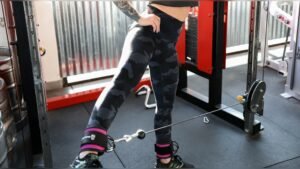
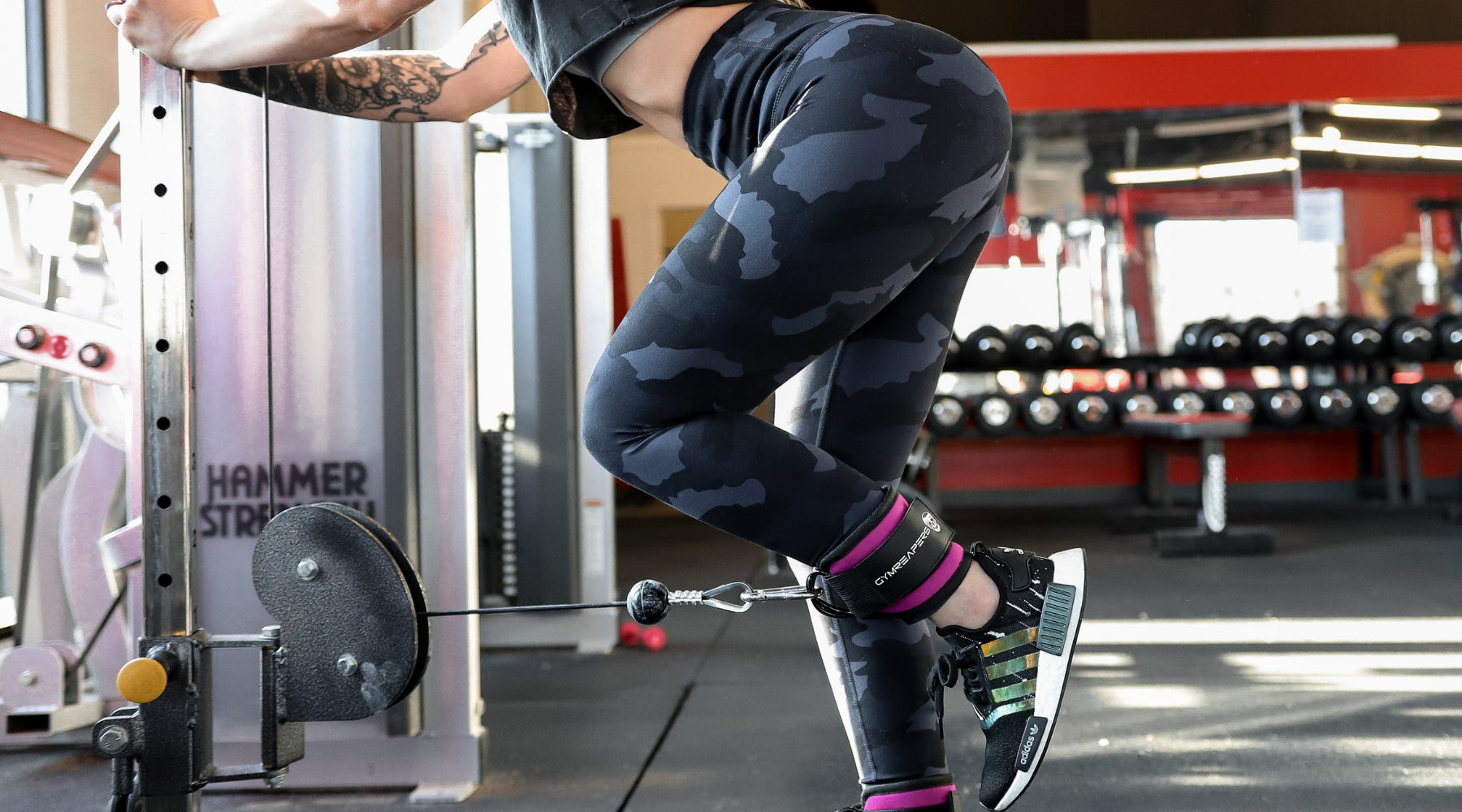
Start by adjusting the cable machine height to ankle level. Attach the ankle strap to the lowest pulley. Check the cable tension; it should allow smooth movement. Use a weight that challenges you but does not strain. Make sure the machine is stable and secure before starting.
Correct Strap Placement
Wrap the ankle strap snugly around your ankle. Position it just above the ankle bone for comfort and support. Fasten the strap firmly to prevent slipping during exercises. Avoid placing the strap too tight to allow blood flow. Confirm the strap is attached to the cable securely.
Warm-up And Injury Prevention
Begin with light cardio like walking or cycling for 5 minutes. Perform dynamic stretches focusing on legs and hips. Start exercises with low weight to activate muscles gently. Maintain controlled movements to avoid jerking or sudden pulls. Stop immediately if you feel pain or discomfort.
Credit: www.gymreapers.com
Effective Cable Leg Exercises
Effective cable leg exercises target multiple muscle groups in the lower body. Using ankle straps with a cable machine adds constant tension. This helps build strength, tone muscles, and improve stability. These exercises allow smooth movement and controlled resistance.
Each exercise focuses on different muscles, offering a balanced leg workout. You can adjust the weight to match your fitness level. Here are some effective cable leg exercises to try.
Cable Glute Kickbacks
Cable glute kickbacks focus on the glute muscles. Attach the ankle strap and stand facing the machine. Push your leg backward while keeping the knee straight. This movement activates the gluteus maximus. It helps lift and shape the buttocks. Keep your core tight for better balance.
Cable Hamstring Curls
Cable hamstring curls target the back of the thigh. Connect the ankle strap and stand or lie down. Pull your heel towards your buttocks by bending your knee. This works the hamstring muscles deeply. It improves knee stability and leg strength. Control the cable’s resistance throughout the motion.
Cable Hip Abductions
Cable hip abductions work the outer thigh and hip muscles. Attach the strap to your ankle and stand sideways to the machine. Lift your leg out to the side against the cable resistance. This exercise strengthens the hip abductors and improves balance. Maintain a straight posture during the movement.
Cable Hip Extensions
Cable hip extensions engage the glutes and lower back. With the ankle strap on, stand facing the machine. Extend your leg backward, pushing through the heel. This activates the glute muscles and helps with hip mobility. Keep your hips level to avoid strain.
Workout Routines For Strength Boost
Building leg strength with cable leg exercises using ankle straps requires structured routines. These workouts target muscles effectively and improve balance and power. Following a routine suited to your fitness level helps prevent injury and ensures steady progress.
Start with simple moves to learn proper form. Increase intensity and complexity as strength improves. Consistency is key to boosting muscle power and endurance.
Beginner Routine
- Attach ankle strap to cable machine low pulley.
- Perform 2 sets of 10 leg kickbacks per leg.
- Do 2 sets of 12 side leg raises.
- Rest 30 seconds between sets.
- Focus on slow, controlled movements.
Intermediate Routine
- Start with ankle strap on low pulley.
- Perform 3 sets of 15 leg kickbacks each leg.
- Include 3 sets of 12 front leg lifts.
- Add 2 sets of 15 standing hip abductions.
- Rest 20 seconds between sets.
- Increase cable weight moderately.
Advanced Routine
- Use heavier cable weight with ankle straps.
- Do 4 sets of 20 leg kickbacks per leg.
- Perform 4 sets of 20 side leg raises.
- Include 3 sets of 15 reverse leg lifts.
- Minimize rest to 15 seconds for endurance.
- Maintain controlled, full range of motion.

Credit: uppper.com
Modifications For Injuries
Adapting cable leg exercises with ankle straps is key for those managing injuries. Modifications help maintain fitness without causing harm. Adjusting intensity and technique protects sensitive areas and supports recovery.
Understanding how to modify exercises ensures safe workouts. This section covers options for low-impact movements, ankle injury care, and the use of resistance bands as alternatives.
Low-impact Alternatives
Low-impact exercises reduce stress on joints and muscles. Use lighter weights or lower cable resistance. Perform movements slowly and with control. Focus on form to avoid strain. Try seated or supported versions of cable leg exercises. These options limit pressure on injured areas while keeping muscles active.
Ankle Injury Considerations
Protecting ankle injuries is crucial during cable leg workouts. Avoid extreme ranges of motion that cause pain. Choose ankle straps with good padding to prevent irritation. Reduce resistance to limit ankle joint load. Stop any exercise that causes sharp discomfort. Gentle stretching and strengthening exercises can aid recovery alongside modified cable workouts.
Using Resistance Bands
Resistance bands offer a flexible alternative to cables for leg exercises. They allow adjustable tension and smooth movements. Bands put less strain on joints, ideal for injury rehabilitation. Attach bands around ankles and perform similar leg motions. Bands are portable and easy to control. Incorporate them to maintain strength while reducing injury risks.
Tracking Progress And Results
Tracking progress and results in cable leg exercises with ankle straps helps maintain motivation. It also ensures steady improvement. Monitoring your workouts shows how your strength develops over time. It guides you to adjust your routine for better outcomes. This section explains simple ways to track your gains and plan recovery.
Measuring Strength Gains
Record the weight used during each exercise session. Note the number of repetitions and sets completed. Track improvements by increasing weight or reps gradually. Take photos or videos to observe muscle changes. Use a workout journal or app for easy tracking. This data helps identify what works best for your legs.
Adjusting Intensity
Increase cable machine resistance step by step. Change the exercise angle to target different muscles. Add more repetitions or sets to challenge yourself. Avoid pushing too hard to prevent injury. Small changes keep workouts effective and fresh. Listen to your body’s signals during exercise.
Incorporating Rest And Recovery
Rest days are vital for muscle repair and growth. Avoid working the same muscle groups on consecutive days. Use gentle stretching or light activity on rest days. Quality sleep supports overall recovery and strength gains. Proper nutrition fuels your muscles after workouts. Balance exercise with rest for best results.
Frequently Asked Questions
How To Use Ankle Straps On Cable Machine?
Secure the ankle strap around your ankle tightly. Attach it to the cable machine’s low pulley. Select desired weight. Perform exercises like leg kicks or hip abductions by extending or lifting your leg against the cable resistance. Maintain control and proper form throughout the movement.
Can I Do Cable Exercises With Resistance Bands?
Yes, you can perform cable exercises using resistance bands by anchoring bands to mimic cable machine movements. This enhances strength and flexibility effectively.
How To Workout Legs With Ankle Injury?
Perform controlled, low-impact leg exercises like calf raises, step-ups, and hip thrusts using support. Use a stationary bike for cardio with the uninjured leg. Focus on upper body and core workouts that avoid ankle pressure, such as bench presses and bicep curls.
How To Do Leg Extensions With An Ankle Strap?
Attach the ankle strap securely around your ankle. Connect it to the low cable pulley. Sit or stand with a straight back. Extend your leg forward slowly against the cable resistance. Hold briefly, then return to the start position. Repeat for desired reps.
Conclusion
Cable leg exercises with ankle straps offer a simple way to strengthen your lower body. These moves target muscles like glutes, hamstrings, and calves effectively. Regular practice improves balance, flexibility, and muscle tone. Using ankle straps with cables adds controlled resistance for better results.
Start with light weights and focus on form to avoid injury. Consistency is key to seeing progress over time. Try incorporating these exercises into your workout routine for stronger legs and improved fitness. Small steps lead to big changes. Keep moving and stay motivated.