Absolutely! Here is a detailed and comprehensive article on doing 1000 dumbbell reps, covering feasibility, benefits, risks, sample plans, and practical tips.
—
Is It Possible to Do 1000 Dumbbell Reps? A Complete Guide
Many people who want to improve their strength, endurance, or lose weight hear about doing high-rep workouts. One popular challenge is doing 1000 dumbbell reps in a single session. But is this possible—or even smart? Let’s look at what it really means to do 1000 reps, how to approach it, and what you need to watch out for.
You will also see sample plans, mistakes to avoid, and answers to common questions.
What Does “1000 Dumbbell Reps” Really Mean?
When someone talks about 1000 dumbbell reps, they usually mean doing a total of 1000 repetitions of an exercise (or a mix of exercises) using dumbbells, all in one workout. This does not mean 1000 reps of just one movement, like biceps curls.
It can be a mix—biceps curls, shoulder presses, squats, rows, chest presses, and so on. The total number of reps from all these exercises adds up to 1000.
For example, you could do:
- 200 reps of squats
- 200 reps of shoulder press
- 200 reps of rows
- 200 reps of chest press
- 200 reps of biceps curls
Or, you could break it down even further, mixing in different rep ranges and exercises. Most people do sets of 10–25 reps at a time, taking breaks between sets.
Is Doing 1000 Dumbbell Reps Safe And Realistic?
For most people, 1000 reps is a big challenge. But it is possible and safe if you plan well, use proper form, and choose the right weights.
Who Should Try This?
- People with some experience using dumbbells
- Those who want a challenge for endurance and mental toughness
- Anyone who is healthy and injury-free
If you are a beginner, it’s better to start with much lower numbers and work up slowly.
Who Should Avoid It?
- Complete beginners
- People with joint pain, injuries, or chronic health issues
- Anyone not used to high-volume workouts
If you have any health concerns, talk to your doctor or a certified trainer first.
What Makes 1000 Reps So Tough?
The main challenge is not just strength, but muscular endurance and mental focus. Your muscles will get tired, and your grip, shoulders, and core will all be tested. Most people find their form starts to break down after a few hundred reps, which can increase the risk of injury.
Also, high-rep sessions like this can cause extreme muscle soreness (DOMS) for several days.

Credit: www.amazon.ae
Benefits Of High-rep Dumbbell Workouts
If you approach it carefully, a 1000-rep session can have some benefits:
1. Muscular Endurance
You train your muscles to keep working for a long time. This is helpful for sports, fitness, or real-life activities.
2. Mental Toughness
Pushing through a big workout teaches you discipline and focus.
3. Calorie Burn
Moving for a long time burns more calories, which helps with fat loss goals.
4. Cardiovascular Challenge
Even though dumbbell lifting is not the same as running, high reps get your heart rate up.
5. Variation
Sometimes, it’s just fun and motivating to try something outside your normal routine.
Two Non-obvious Insights
1. Muscle Adaptation
Doing 1000 reps is not the best way to gain size or raw strength. However, it can help your muscles adapt to lactic acid buildup. This means you might recover faster in future workouts.
2. Mind-Muscle Connection
When doing so many reps, you must focus on your form and technique. This helps you build a better connection between your mind and your muscles, which improves your results over time.
Risks And Common Mistakes
While there are benefits, there are also risks. Here’s what many people miss:
Overuse Injuries
High reps can stress your joints and tendons, especially if your form is not perfect. This can lead to tendinitis or joint pain, especially in the elbows, shoulders, and wrists.
Poor Recovery
A session like this can make you sore for several days. If you don’t rest or eat enough, you might get weaker instead of stronger.
Form Breakdown
After hundreds of reps, your muscles tire and your form suffers. Bad form increases injury risk.
Not Enough Variety
If you do 1000 reps of just one movement (like curls), you miss out on balanced muscle development and can create muscle imbalances.
Common Beginner Mistake
Many people choose weights that are too heavy at the start. This makes it impossible to finish, or they have to use bad form. Always start lighter than you think!
Credit: www.kathrynalexander.com
How To Structure A 1000-rep Dumbbell Workout
The best way to approach 1000 reps is to break them into smaller sets and mix different exercises. Here is a sample structure:
Sample Plan: Full-body 1000 Rep Dumbbell Challenge
Choose 5–10 exercises. Pick movements that cover your whole body. Examples:
- Goblet squats
- Dumbbell lunges
- Dumbbell chest press
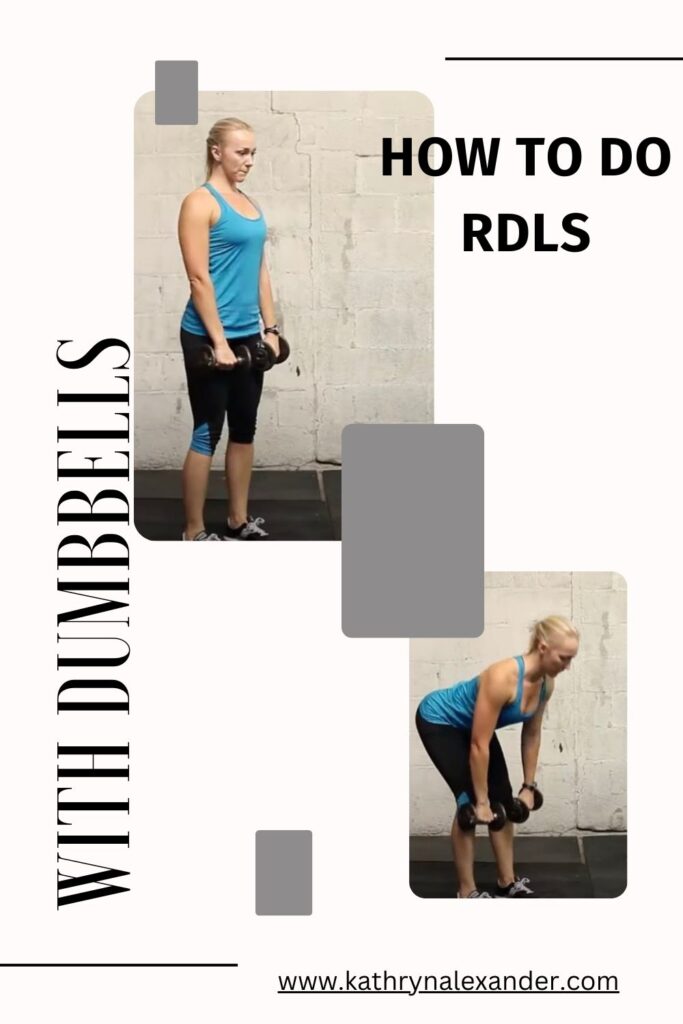
- Dumbbell bent-over rows
- Shoulder press
- Biceps curls
- Triceps extensions
- Dumbbell deadlifts
Spread the reps. For example, if you pick 5 exercises, that’s 200 reps each. If you pick 10, that’s 100 reps each.
Break it into sets. Do sets of 10–20 reps at a time. Rest as needed.
Example Breakdown (10 Exercises)
| Exercise | Reps | Sets (10 reps each) |
|---|---|---|
| Goblet Squat | 100 | 10 |
| Dumbbell Lunge | 100 | 10 |
| Chest Press | 100 | 10 |
| Bent-Over Row | 100 | 10 |
| Shoulder Press | 100 | 10 |
| Biceps Curl | 100 | 10 |
| Triceps Extension | 100 | 10 |
| Dumbbell Deadlift | 100 | 10 |
| Lateral Raise | 100 | 10 |
| Russian Twist | 100 | 10 |
Total reps: 1000
Tips:
- Use light weights (2–6 kg or 5–15 lbs for most people)
- Focus on good form
- Rest 30–60 seconds between sets
- Drink water often
How To Choose The Right Weight
Pick a weight you can lift for 20–25 reps without losing form. For most people, this is much lighter than their regular training weight. It is better to finish strong with lighter dumbbells than to fail halfway with weights that are too heavy.
If you have never done high-rep training, start with 1–2 kg (2–5 lbs) dumbbells and see how you feel.
Practical Tips For Success
1. Warm Up Well
Do 5–10 minutes of light cardio and dynamic stretching before you start. This prepares your muscles and joints.
2. Mix Upper And Lower Body
Switch between upper and lower body exercises to give each muscle group more rest. For example, do squats, then rows, then lunges, then chest press.
3. Track Your Sets
It’s easy to lose count. Use a notebook or tally app to track each set.
4. Listen To Your Body
If you feel sharp pain (not just normal fatigue), stop. There’s no prize for getting hurt.
5. Recover Properly
After your session, cool down and stretch. Eat a meal with protein and healthy carbs. Drink lots of water. Expect muscle soreness for 1–3 days.
6. Progress Slowly
If this is your first time, try 300–500 reps. Build up over a few weeks.
Who Has Done This Before?
Many fitness enthusiasts have completed 1000-rep challenges and posted their results online. You can find videos and posts on YouTube, Reddit, and fitness blogs. Some trainers use high-rep challenges as a mental test or for special fitness events.
For example, some CrossFit athletes do “Murph” (a famous workout), which includes 600 reps of bodyweight exercises. High-rep dumbbell challenges are not new, but they are not for daily training.
What Results Can You Expect?
If you complete 1000 reps, you will feel a sense of achievement. You will burn a lot of calories and test your mental focus. You will be sore and tired for 1–2 days, sometimes longer. However, this will not build huge muscles or make you much stronger.
It is more about endurance and mental challenge.
Frequently Asked Questions
Can I Do 1000 Reps Every Week?
No. This is too much stress for your body. Once a month, or every few months, is enough for most people. Focus on regular, balanced training most of the time.
Can Beginners Try This?
It’s better to start with smaller challenges—100, 200, or 300 reps. Build up slowly and listen to your body.
What If I Can’t Finish?
That’s okay! Even 500 or 700 reps is a great achievement. The goal is to challenge yourself, not to chase a magic number.
Should I Use One Exercise or Many?
It’s safer and more effective to mix several exercises. This reduces injury risk and works more muscles.
Will It Help Me Lose Weight?
It can burn calories, but diet and regular exercise matter more. Use this as a fun challenge, not a main fat-loss tool.
Credit: www.fordogtrainers.com
When Should You Avoid High-rep Challenges?
Skip this workout if you are:
- Injured or recovering from illness
- Extremely tired or stressed
- New to exercise or dumbbells
- Training for pure strength or power sports
Alternatives To 1000 Reps
If you want a tough workout, but not 1000 reps, try:
- AMRAP (As Many Rounds As Possible) in 20–30 minutes
- 100–300 rep challenges
- Circuit training with short rest
These still give you a great workout, with less risk.
Learn More
If you want to see sample workouts or get tips from certified trainers, check out [ACE Fitness](https://www.acefitness.org/education-and-resources/lifestyle/exercise-library/) for safe exercise guides and examples.
Final Thoughts
Doing 1000 dumbbell reps is possible, but it is a big challenge. Most people can do it with light weights, good form, and smart planning. It’s not the best way to get strong or big, but it’s great for mental toughness and endurance.
Always listen to your body and start small. If you want to try it, plan ahead, mix exercises, and enjoy the process. Remember, the goal is to finish healthy, not just hit a number.