Building a strong hand grip is more than just squeezing a stress ball. Whether you’re an athlete, a musician, or someone who simply wants to open jars with ease, hand grip strength impacts daily life and performance. A powerful grip helps in sports like rock climbing, weightlifting, tennis, and even improves overall health, as studies link strong grip to better cardiovascular outcomes and longevity.
Many people think grip strength is just about the forearm, but it’s a combination of muscles from your fingers, palms, wrists, and forearms working together. The good news? Anyone can improve their grip with the right exercises, habits, and tools.
This guide will show you practical steps, explain the science, and share tips you won’t find in most quick lists.
Why Hand Grip Strength Matters
Grip strength isn’t just for athletes. It’s a key part of everyday living. From turning doorknobs to carrying bags, a strong grip makes life easier. Research shows that grip strength is a reliable marker of overall muscle health and can predict risks of heart disease and even mortality in older adults.
For sports, a better grip means more control, endurance, and safety. For example, in weightlifting, weak grip is often the first point of failure, not the larger muscle groups. In rock climbing, grip endurance can mean the difference between success and slipping.
Types Of Grip Strength
To get the most from your training, it’s helpful to know the three main types of grip strength:
| Grip Type | Description | Example |
|---|---|---|
| Crush Grip | Closing your hand around something | Handshake, squeezing a tennis ball |
| Pinch Grip | Holding an object between your fingers and thumb | Holding a sheet of paper, pinching weights |
| Support Grip | Holding something for a long time | Carrying groceries, hanging from a bar |
Understanding these types helps you target the right muscles and select the best exercises for your goals.
Best Exercises To Increase Hand Grip Strength
Adding grip-specific exercises to your routine can make a noticeable difference within weeks. Here are the most effective ones:
1. Farmer’s Walk
This simple exercise works your support grip, forearms, and shoulders. Grab two heavy dumbbells or kettlebells, stand tall, and walk for 30–60 seconds. Keep your arms straight, shoulders back, and grip tight.
2. Dead Hangs
Find a pull-up bar, grab it with both hands, and hang with straight arms. Start with 10–20 seconds, aiming to increase over time. Dead hangs build endurance in your hands and forearms.
3. Plate Pinches
Hold two weight plates together (smooth sides out) between your thumb and fingers. Lift and hold for as long as possible. Plate pinches are perfect for training the pinch grip.
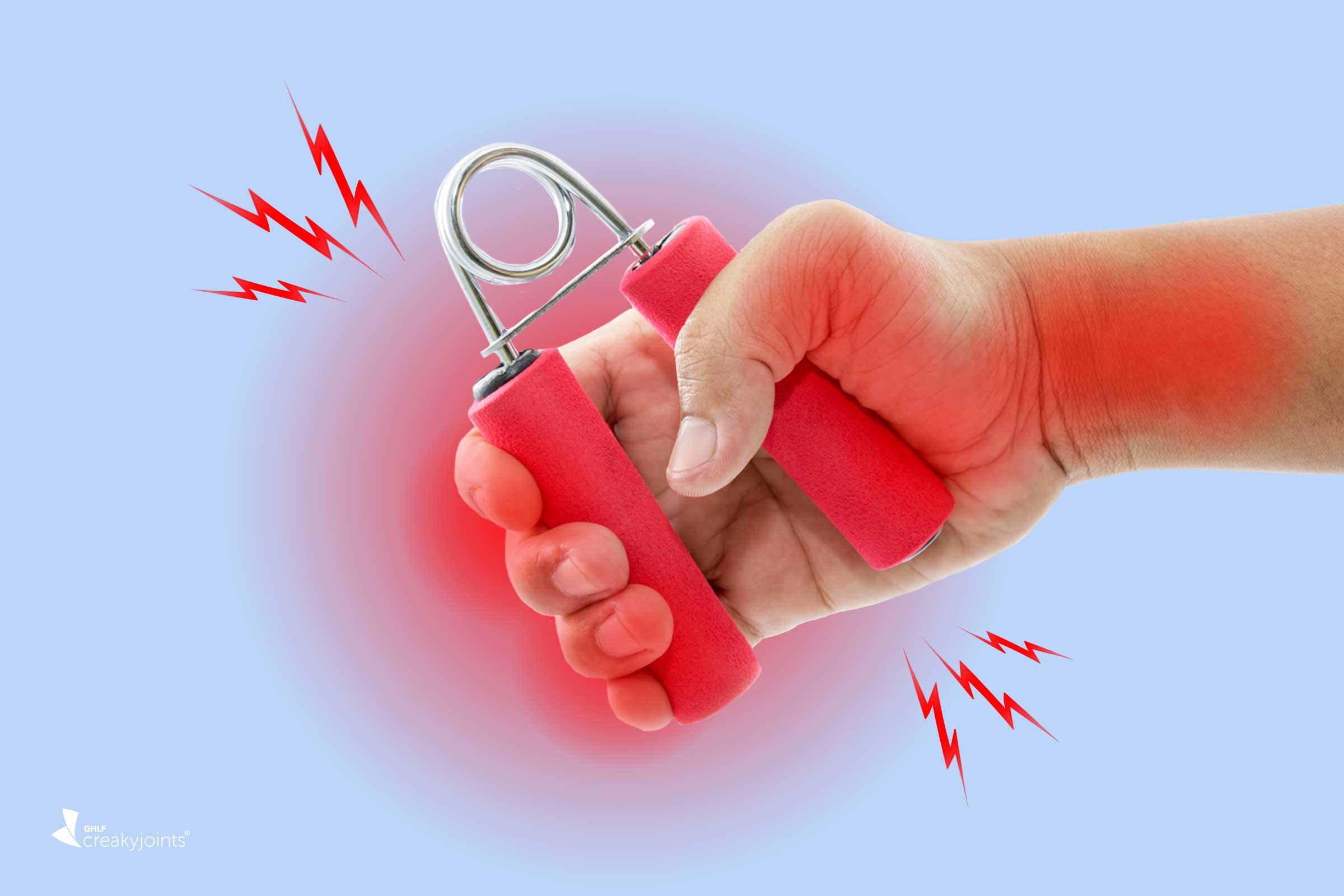
4. Hand Grippers
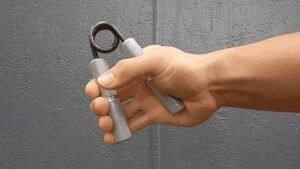
Special hand gripper tools let you squeeze against resistance. Start with a manageable tension and aim for 2–3 sets of 10–15 reps per hand. Focus on slow, controlled movements.
5. Towel Or Rope Pull-ups
Loop a towel or rope over a pull-up bar and grip both ends. Perform pull-ups or simply hang. The unstable, thick grip challenges your hands and wrists in new ways.
6. Wrist Roller
A wrist roller is a stick with a weight suspended by a rope. Roll the weight up and down using only your wrists. This move builds forearm strength and grip endurance.
7. Reverse Curls
Using a barbell or dumbbells, perform curls with your palms facing down. Reverse curls target the brachioradialis and other forearm muscles critical for grip.
8. Rice Bucket Drills
Fill a bucket with rice. Bury your hands and open/close your fists, twist, and grab the rice. Used by baseball players, this exercise improves finger strength and dexterity.
9. Sledgehammer Levers
Hold the end of a sledgehammer (or a stick with weight on one side) and slowly rotate it in different directions. Levers train wrist stability and control.
10. Finger Extensions
Grip isn’t just about closing your hand; opening it matters too. Use rubber bands around your fingers and open your hand against resistance. This balances muscle development and helps prevent injury.
Everyday Activities That Build Grip Strength
You don’t need a gym for a stronger grip. Many daily tasks challenge your hands naturally. Try these:
- Carrying heavy groceries with your hands, not arms
- Opening jars and bottles without tools
- Gardening (digging, raking)
- Playing musical instruments like guitar or piano
- Manual work such as carpentry or mechanics
Switching from convenience (like using a trolley) to manual carrying, or using thicker handles, can make a difference over time.
Credit: creakyjoints.org
Tools And Equipment For Faster Results
While bodyweight and free weights are effective, some tools make grip training easier and more precise.
| Tool | Best For | Why Use It? |
|---|---|---|
| Hand Grippers | Crush grip | Portable, adjustable resistance |
| Fat Gripz/Thick Bar Adapters | All grip types | Turns any bar into a thick bar, harder to hold |
| Grip Balls | Support and pinch grip | Unstable, round shape challenges grip |
| Wrist Roller | Forearm endurance | Direct forearm and grip work |
| Rice Bucket | Finger strength | High reps, low injury risk |
You don’t need every gadget. Start with one or two, and add more as you progress.
Common Mistakes And How To Avoid Them
Even with the best intentions, people often make errors that slow their progress or cause injury.
- Overtraining: Small muscles recover slowly. Train grip 2–3 times a week, not daily, to avoid soreness and tendon issues.
- Ignoring Balance: Only training to close your hand can lead to imbalances. Always include finger extension work.
- Bad Form: Using momentum or jerking the weights doesn’t help your grip. Move slowly, with control.
- Neglecting Recovery: Rest and stretching are crucial. Sore tendons or stiff hands need time to heal.
- Skipping Warm-Up: Cold muscles are easier to injure. Open and close your fists, rotate wrists, and stretch before training.
Credit: www.youtube.com
Progression And Tracking
To keep improving, your grip needs greater challenges over time. There are several ways to progress:
- Increase weight: Use heavier objects as you get stronger.
- Add time: Hang or hold objects longer.
- Change thickness: Use thicker handles or bars for more difficulty.
- Increase reps/sets: Aim for more repetitions or sets each week.
Keep a simple log of your grip exercises, weights, and times. This makes it easy to see progress and stay motivated.
How Long Does It Take To See Results?
Most people notice a stronger grip within 3–4 weeks of regular training. Beginners may see faster progress, while advanced gains come slower. Consistency matters more than intensity—small improvements build up quickly.
If you’re training for a sport, you may need 2–3 months of specific work before grip isn’t your limiting factor. For daily life, you’ll notice tasks feel easier after just a few weeks.
Advanced Techniques For Serious Gains
Once you’ve mastered basic grip exercises, try these methods to push further:
- Thick Bar Training: Use bars or dumbbells with a larger diameter. This is much harder and forces your grip to adapt.
- One-Arm Hangs: Build up from two hands to one. Start with support (use your other hand for balance) and reduce support over time.
- Loaded Carries with Pinch Grip: Instead of handles, pinch weight plates together and walk.
- Contrast Training: Alternate heavy grip work with lighter, fast movements to improve strength and speed.
Advanced training is demanding and should be done after building a solid foundation.
Health, Safety, And Injury Prevention
Grip training is low risk when done correctly, but pay attention to these safety tips:
- Warm up hands and wrists before heavy work.
- Stretch fingers, wrists, and forearms after training.
- Stop if you feel sharp pain, tingling, or numbness.
- Avoid sudden increases in intensity or volume.
If you have medical conditions like arthritis or carpal tunnel, consult a doctor or physical therapist before starting a new grip program. Recovery and gradual progression are key to long-term success.
Non-obvious Insights For Beginners
Most guides skip these two important points:
- Train both hands equally. Many people use their dominant hand more and accidentally build imbalances. Always work both sides, and if one is weaker, start with that hand.
- Grip strength is affected by overall fatigue. If you train grip after a full body workout, you may feel weaker than if you train fresh. That’s normal—just be consistent and track your progress relative to the time of workout.
Also, don’t ignore the importance of nutrition and hydration. Well-hydrated muscles and enough protein help your hands and forearms recover and grow.
Sample Weekly Grip Strength Routine
Here’s a practical plan to get started. Adjust weight and reps to your level.
| Day | Exercise | Sets x Reps/Time |
|---|---|---|
| Monday | Farmer’s Walk | 3 x 45 seconds |
| Wednesday | Dead Hangs | 4 x 20–30 seconds |
| Friday | Plate Pinches & Finger Extensions | 3 x max hold & 2 x 15 reps |
After 4–6 weeks, swap in new exercises to keep challenging your grip in different ways.
Credit: thenoteninjas.com
Frequently Asked Questions
What Is The Fastest Way To Increase Hand Grip Strength?
The fastest way is to use a combination of farmer’s walks, dead hangs, and hand grippers 2–3 times a week. Focus on progression—add weight, time, or reps each week. Don’t forget to rest for recovery.
Can Grip Strength Improve At Any Age?
Yes, people of all ages can improve their grip. In fact, studies show older adults benefit the most, as better grip reduces fall risk and supports independence. Start light and increase gradually.
How Do I Know If My Grip Is Weak?
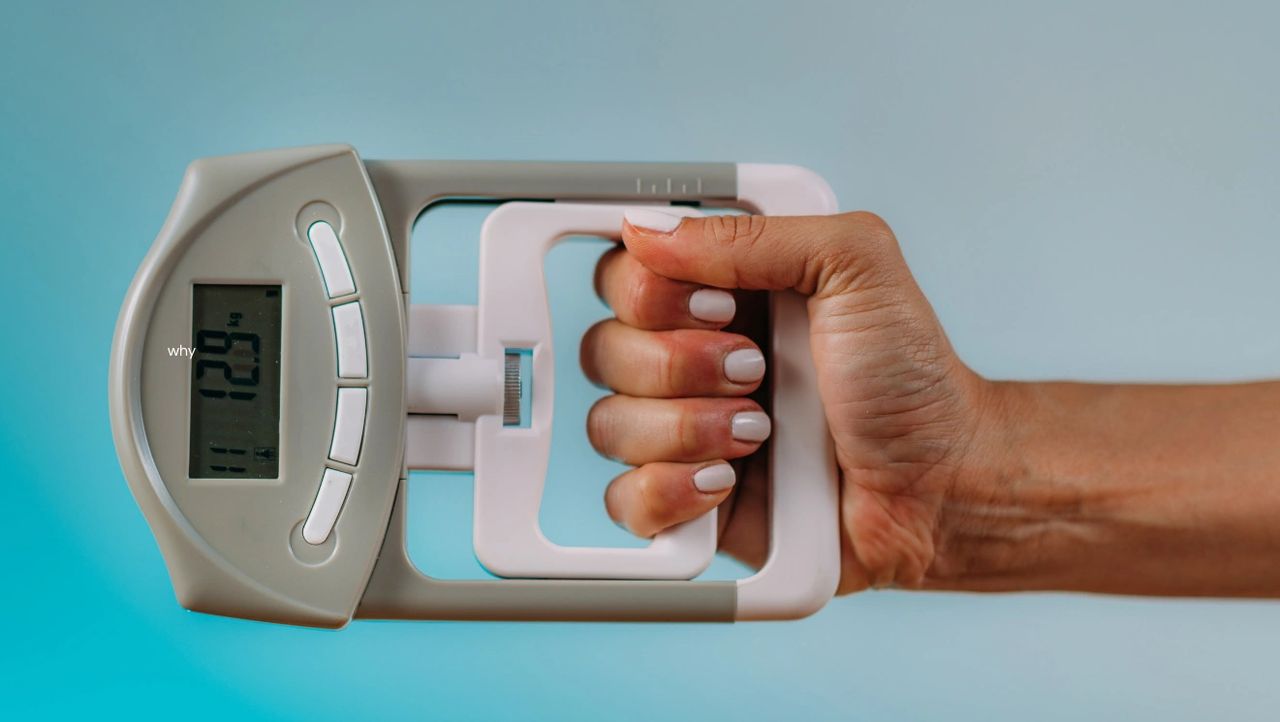
If you struggle to open jars, carry shopping bags, or your hands tire quickly in sports or work, your grip may be weak. You can also test using a dynamometer or time how long you can hang from a bar.
Should I Train Grip Every Day?
No. Like any muscle, your hands and forearms need rest. 2–3 sessions per week are enough for most people. Overtraining can lead to soreness or tendon problems.
Where Can I Learn More About Grip Strength?
You can find more detailed studies and resources at the Wikipedia page on Grip Strength for scientific background and further reading.
A strong grip is more than just a firm handshake—it’s a sign of total body health, resilience, and capability. With the right exercises, tools, and consistency, you’ll notice the difference in daily life and athletic performance. Start simple, stay patient, and your hands will thank you.