Many people want to add something extra to their workouts, but not everyone can visit a gym or buy big equipment. Ankle weight exercises offer a simple way to increase the challenge of regular movements. These small weights, strapped around your ankles, turn easy exercises into more effective muscle builders. They are easy to use at home, outside, or even when you travel. Whether you want to tone your legs, burn more calories, or recover from an injury, ankle weights can help you get results faster.
However, choosing the right exercises and using proper form is very important. Some people think ankle weights are only for walking or leg lifts. In reality, you can use them for a wide range of movements, from cardio to strength training.
This guide will show you the best ankle weight exercises, how to do them safely, and how to add them to your routine for maximum benefits.
What Are Ankle Weight Exercises?
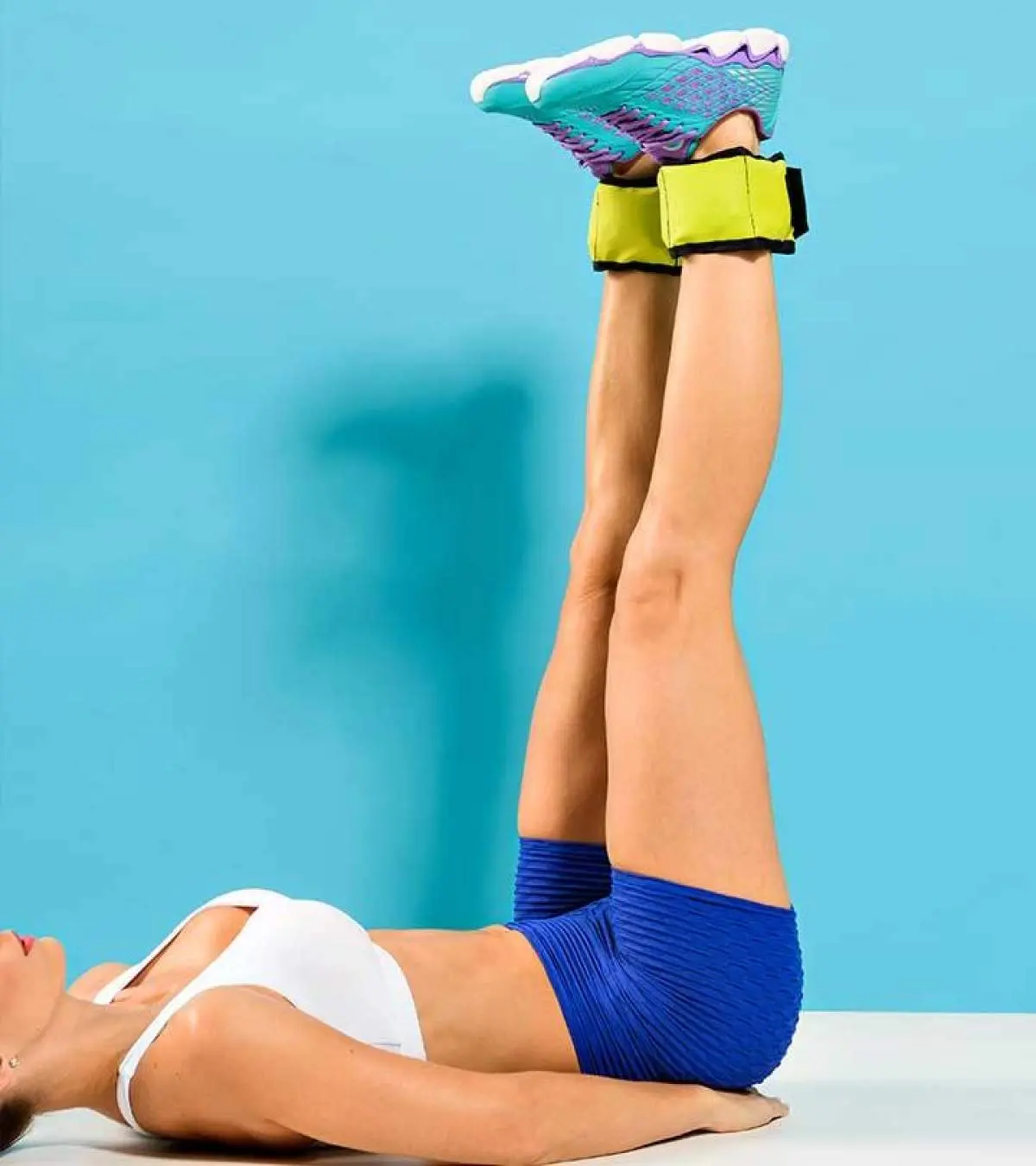
Ankle weight exercises are movements where you wear small, weighted bands around your ankles. These bands usually weigh between 0.5 to 5 kilograms each. Adding this extra weight makes your muscles work harder, increasing strength, endurance, and calorie burn.
People use ankle weights for:
- Lower body strength training
- Rehabilitation after injury
- Improving flexibility
- Boosting cardio workouts
Unlike big gym equipment, ankle weights are affordable, portable, and easy to store. They are suitable for beginners and advanced athletes.
Benefits Of Ankle Weight Exercises
Using ankle weights gives you some unique advantages:
- Faster Muscle Growth: The extra weight forces your leg and hip muscles to work harder. Over time, this leads to better muscle tone, especially in the glutes, hamstrings, quads, and calves.
- Burn More Calories: Because your muscles work harder, you use more energy. Studies show you can burn up to 10-15% more calories by adding small weights during cardio or walking.
- Increased Endurance: Training with added resistance makes your body adapt. After a few weeks, regular movements feel easier, and you can run, walk, or climb stairs for longer.
- Joint Stability: Ankle weight exercises strengthen the small muscles around your knees, hips, and ankles. This helps protect joints and lowers injury risk.
- Rehabilitation: Physical therapists often use ankle weights to help patients recover from knee or hip surgery, rebuild muscle, or improve balance.
- Convenience: You don’t need a gym or machines. Ankle weights work at home, in the park, or while traveling.
Safety Tips Before You Start
Although ankle weights are simple, using them incorrectly can cause problems. Here are some important safety tips:
- Start Light: Begin with the lowest weight (0.5–1 kg per ankle). Increase slowly as you get stronger.
- Warm Up First: Always warm up your muscles with 5-10 minutes of light activity before adding weights.
- Focus on Form: Good technique is more important than heavy weight. Move slowly and with control.
- Limit Wear Time: Avoid wearing ankle weights all day. Use them only during specific exercises.
- Avoid High-Speed Movements: Do not use ankle weights for jumping, sprinting, or fast changes in direction. This puts stress on your joints.
A common mistake is using ankle weights for long walks or running. This can lead to joint pain or injury. For cardio, use them only for short intervals or slow-paced walking.
Best Ankle Weight Exercises For Beginners
If you are new to ankle weights, start with these exercises. They target the main lower body muscles and help you practice control.
1. Standing Leg Raises
Stand straight, holding a chair or wall for support. Lift one leg straight out to the side, pause, then lower. Switch legs. This movement strengthens your hip abductors and improves balance.
2. Seated Knee Extensions
Sit on a sturdy chair with your back straight. Slowly extend one leg out in front, hold, then lower. Repeat with the other leg. This is great for quad strength and knee health.
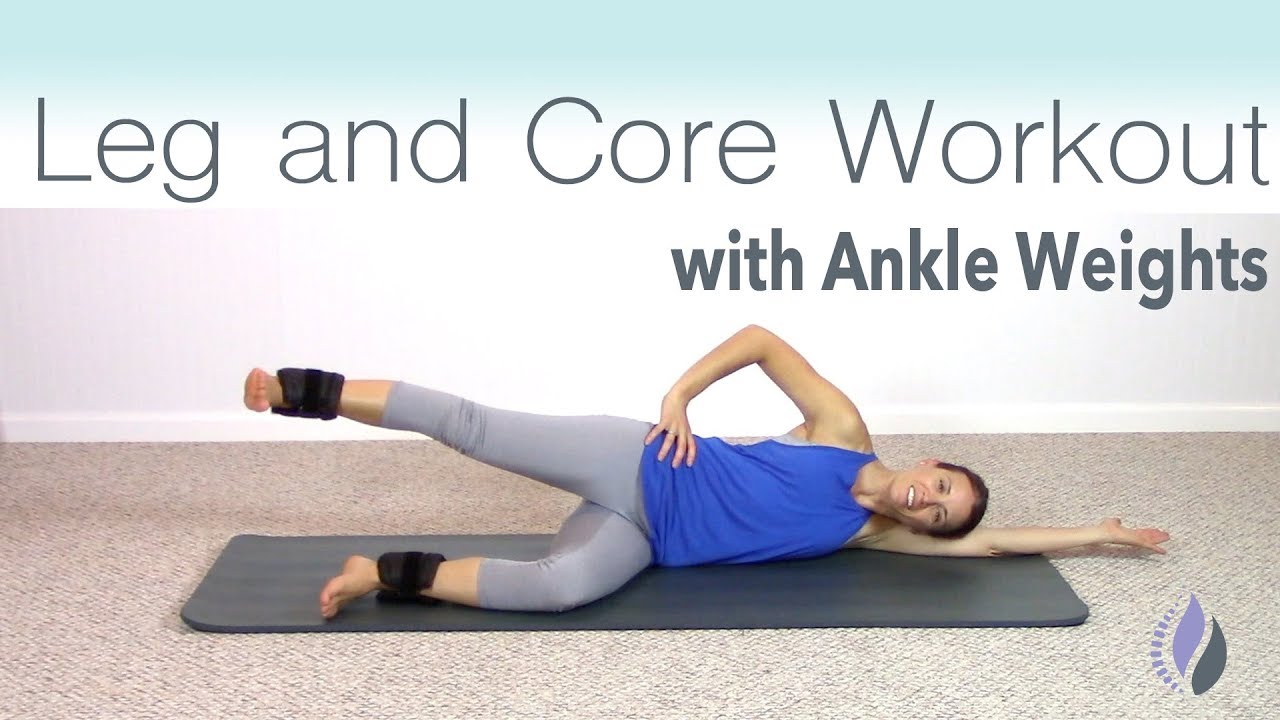
3. Side-lying Leg Lifts
Lie on your side, legs straight. Lift your top leg upward, pause, then lower. Do several reps, then switch sides. This targets your outer thighs and hips.
4. Glute Kickbacks
Start on hands and knees. Keeping your knee bent, lift one leg up toward the ceiling, then lower. This exercise activates your glutes and hamstrings.
5. Standing Hamstring Curls
Hold a chair for balance. Bend one knee, bringing your heel toward your buttocks, then lower. Alternate legs. This strengthens your hamstrings.
Perform 2-3 sets of 10-15 reps for each move, 2-3 times per week.
Credit: allurelakestorey.com
Advanced Ankle Weight Exercises
Once you feel comfortable with the basics, try these more challenging movements. They engage more muscles and boost calorie burn.
1. Ankle Weight March
March in place, lifting your knees high. The extra weight increases intensity and works your hip flexors and core.
2. Lateral Leg Circles
Standing or lying on your side, lift one leg and make small circles in the air. This improves hip stability and mobility.
3. Donkey Kicks With Pulse
From a hands-and-knees position, lift one leg and pulse it upward in small movements. The added resistance builds glute strength fast.
4. Weighted Mountain Climbers
Start in a plank. Bring one knee toward your chest, then switch legs quickly. The weights make your abs and legs work harder.
5. Reverse Lunge With Knee Raise
Step back into a lunge, then bring your knee forward and up before stepping back again. This move challenges your balance, glutes, and core.
Table: Muscle Activation In Common Ankle Weight Exercises
To help you choose the right exercise, here is a comparison of which main muscles each move targets:
| Exercise | Primary Muscles Used | Secondary Muscles Used |
|---|---|---|
| Standing Leg Raise | Hip Abductors | Glutes, Core |
| Side-Lying Leg Lift | Gluteus Medius | Outer Thighs |
| Hamstring Curl | Hamstrings | Calves |
| Glute Kickback | Gluteus Maximus | Hamstrings, Core |
| Mountain Climber | Hip Flexors | Abs, Shoulders |
How To Add Ankle Weights To Cardio Workouts
Many people use ankle weights for walking, but you can also add them to other cardio routines. This increases your heart rate and burns more calories.
Some ideas:
- Step-ups: Step onto a bench or stair, alternating legs.
- Marching in place: Increase knee height for more challenge.
- Low-impact dancing: Wear ankle weights while doing simple dance steps.
- Aerobic routines: Add weights to short, slow-paced routines.
Important: Do not run or jump with ankle weights. This can stress your joints. Use them only for steady, controlled movements.
Table: Calories Burned With And Without Ankle Weights
Here’s a look at how many calories you might burn in 30 minutes with and without ankle weights (for a 70 kg person):
| Activity | No Weights | With 1.5 kg Ankle Weights |
|---|---|---|
| Walking (4 km/h) | 110 kcal | 125 kcal |
| Step-Ups | 170 kcal | 190 kcal |
| Marching in Place | 120 kcal | 138 kcal |
As you can see, the extra weight adds a small but noticeable calorie burn.
Mistakes To Avoid With Ankle Weight Exercises
Many beginners make errors that limit results or cause pain. Watch out for these common mistakes:
- Choosing too much weight: Heavy weights can strain your joints and muscles. Always start light.
- Using fast, jerky movements: Control is key. Quick swings increase injury risk.
- Wearing ankle weights all day: Only use them for short sessions (20–30 minutes).
- Ignoring pain or discomfort: If you feel sharp pain, stop and rest.
- Skipping warm-ups: Cold muscles are more likely to get hurt.
A non-obvious tip: Don’t forget to work both legs equally. If you do single-leg movements, make sure reps match on both sides.
Who Should (and Shouldn’t) Use Ankle Weights?
Ankle weights are great for:
- People wanting stronger legs and hips
- Those in physical therapy
- Older adults working on balance
- Anyone needing a new fitness challenge
But they are not right for everyone. People with knee, hip, or ankle injuries should ask a doctor first. Also, people with joint pain or arthritis should use caution.

Credit: www.youtube.com
How To Choose The Right Ankle Weights
Not all ankle weights are the same. Here are some features to consider:
- Adjustable weight: Some allow you to add or remove weight, making them more flexible.
- Comfortable material: Soft, padded straps reduce skin irritation.
- Secure fit: Look for strong Velcro or buckles to keep the weights from slipping.
- Easy to clean: Sweat-resistant materials are best for regular use.
Try on different brands to see what feels best. Don’t buy weights that move around or pinch your skin.
Table: Adjustable Vs Fixed Ankle Weights
Here’s a quick comparison:
| Type | Pros | Cons |
|---|---|---|
| Adjustable | Flexible weight options, saves money | Bulkier, may take longer to put on |
| Fixed | Slim design, quick to use | Must buy several pairs for different weights |
Progression: How To Keep Improving
To get the best results, increase the challenge over time:
- Add more weight: Move up in small steps (0.5 kg at a time).
- Increase reps or sets: Add a few more repetitions or sets as you get stronger.
- Try harder exercises: Move from basic to advanced moves.
- Slow down: Slower reps keep muscles under tension longer.
Tracking your progress is important. Write down your reps, sets, and weight. This helps you see improvement and stay motivated.
How Ankle Weight Exercises Fit Into Your Routine
You can use ankle weights in several ways:
- Strength training days: Add them to bodyweight exercises 2–3 times a week.
- Short cardio sessions: Use for 10–20 minutes during low-impact cardio.
- Rehabilitation: Follow your physical therapist’s instructions.
Don’t use ankle weights every day. Muscles need rest to grow stronger.
Credit: www.youtube.com
Ankle Weights Vs. Other Resistance Tools
People sometimes wonder how ankle weights compare to resistance bands or dumbbells. Ankle weights are unique because they leave your hands free and target the lower body. Resistance bands are more versatile for both upper and lower body. Dumbbells are best for upper body exercises.
For most people, combining ankle weights with other tools gives the best overall results.
Non-obvious Insights Most People Miss
- Mind-Muscle Connection: Ankle weights can help you feel the muscle working more clearly. Slow, focused movements build better strength than rushing.
- Balance and Coordination: Because ankle weights shift your center of gravity, they also improve your balance—useful for sports and daily life.
For more on exercise science, you can check the Wikipedia page on strength training.
Frequently Asked Questions
How Heavy Should My Ankle Weights Be?
Beginners should start with 0. 5–1 kg per ankle. Increase slowly as your strength improves. Too much weight can cause injuries.
Are Ankle Weights Good For Weight Loss?
They help you burn more calories, but the effect is small. Combined with a healthy diet and other exercises, they can support weight loss.
Can I Wear Ankle Weights All Day?
No. Use them only during exercise, not for daily activities. Wearing them too long can cause joint pain or muscle fatigue.
Are Ankle Weights Safe For Everyone?
Most healthy people can use ankle weights, but those with joint problems or injuries should ask a doctor or physiotherapist first.
Which Is Better: Ankle Weights Or Resistance Bands?
Both have benefits. Ankle weights are best for lower body exercises, while resistance bands work for both upper and lower body. Using both gives you the most balanced workout.
Adding ankle weight exercises to your routine is an easy way to boost results without fancy equipment. Start slow, focus on good form, and listen to your body. With regular practice, you will notice stronger legs, better balance, and more confidence in your movements.