Are you worried about losing your balance as you age? You’re not alone, and the good news is that you can take control of your stability with the right tools.
Balance equipment for seniors is designed to help you stay steady, confident, and independent every day. Whether you want to prevent falls, build strength, or improve your overall coordination, there’s gear that fits your needs and lifestyle. Keep reading to discover the best balance equipment options that can make a real difference in your life—and how to choose the perfect one just for you.
Your journey to better balance starts here.

Credit: rxfitnessequipment.com
Importance Of Balance For Seniors
Balance is a key part of seniors’ health and independence. It helps prevent falls and injuries. Proper balance supports safe movement around the home and outdoors.
Seniors with strong balance can enjoy daily activities with more confidence. Balance training equipment can help maintain and improve this vital skill.
Risks Of Poor Balance
Poor balance raises the chance of falls. Falls can cause serious injuries like fractures. These injuries often lead to hospital stays and a long recovery.
Loss of balance may also cause fear and limit movement. This can reduce social activities and increase isolation for seniors.
Impact On Daily Mobility
Balance affects how well seniors move each day. Simple tasks like walking, standing, or climbing stairs need adequate balance. Without it, these tasks become difficult and unsafe.
Good balance helps seniors stay active and independent longer. It lowers the risk of accidents during daily routines.
Benefits Of Balance Training
According to Research Gate, Balance training improves stability and coordination. It strengthens muscles used for standing and walking. This reduces the chance of falls and injuries.
Using balance equipment makes exercises safe and effective. Regular training also boosts confidence and mobility in seniors.

Credit: www.youtube.com
Types Of Balance Equipment
Balance equipment helps seniors improve stability and prevent falls. Different types serve various fitness levels and needs. Using the right tool can make balance exercises safe and effective. Here are common types of balance equipment often used by seniors.
Bosu Ball
The BOSU Ball is a half-sphere with a flat base. It offers a stable or unstable surface for exercises. Seniors can stand or sit on it to improve balance and core strength. It suits all fitness levels and rehab programs.
Balance Boards
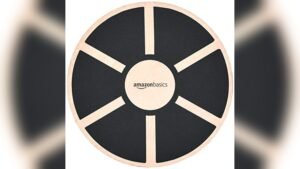
Balance boards are flat boards that rock side to side or in circles. They help strengthen ankles and improve coordination. Some boards, like Indo Boards, are excellent for sports balance training. They challenge stability gently for seniors.
Stability Balls
Stability balls are large inflatable balls used for sitting or exercise. They engage core muscles and improve posture. Seniors can perform simple movements to boost balance safely. They are soft and forgiving for beginners.
Wobble Cushions And Foam Pads
Wobble cushions and foam pads create an unstable surface to stand or sit on. They improve ankle and leg strength with low risk. These affordable tools are perfect for seniors just starting balance training.
Vibration Plates
Vibration plates send gentle vibrations through the body. This activates muscles and improves circulation. Seniors can stand or do light exercises on them. They provide balance benefits with minimal effort.
Agility Ladders
Agility ladders are flat ladders laid on the floor for footwork drills. They enhance coordination and quick movements. Seniors can use slow, controlled steps to build balance and confidence. They are easy to set up and use.
Choosing The Right Equipment
Choosing the right balance equipment is essential for seniors. It supports safety and improves stability. The right tools match individual needs and fitness levels. This procedure helps seniors stay active and confident.
Assessing Fitness Levels
Start by understanding current fitness and balance skills. Simple tests or professional advice can help. Choose equipment that suits your strength and flexibility. Avoid tools that are too hard or too easy.
Budget Considerations
Balance equipment comes in many price ranges. Set a clear budget before shopping. Affordable options like foam pads and wobble cushions work well. Higher-end trainers offer more features but cost more.
Purpose And Exercise Goals
Define what you want to achieve with the equipment. Improve balance, rebuild strength, or enhance coordination? Different tools serve different goals. Pick one that fits the main purpose.
Equipment For Beginners
Start with stable and simple tools. Foam pads and wobble cushions provide gentle challenges. These help build confidence without risking falls. They are light and easy to use at home.
Tools For Rehabilitation
Rehabilitation needs equipment with controlled movement. BOSU balls and balance boards offer adjustable difficulty. They assist in regaining strength and coordination safely. Consult a therapist for the best choice.
Options For Active Seniors
Active seniors can try advanced balance trainers. Equipment like BOSU balls and Indo boards increases the challenge. These improve agility and core strength. They are excellent for fitness and fall prevention.
Popular Balance Tools For Seniors
Balance tools help seniors improve stability and prevent falls. These tools are simple to use and fit well in home exercise routines. Many products offer gentle support while challenging balance in safe ways. Choosing the right tool depends on comfort, skill level, and exercise goals.
Below are popular balance tools designed with seniors in mind. Each tool supports strength and coordination for everyday activities. They come from trusted brands and stores, making them easy to find and use.
Nordstrom Prosourcefit Balance Pad
This pad is soft and lightweight. It creates a slightly unstable surface to improve balance. Seniors can stand or sit on it during exercises. The foam material cushions joints and reduces injury risk.
Walmart Athletic Works Balance Pods
These pods are small and rounded. They offer a fun way to practice balance by standing or stepping on them. The pods help improve ankle strength and coordination. They fit perfectly in small spaces.
Dick’s Sporting Goods Bosu Trainers
The BOSU trainer is a half ball with a flat platform. It allows for many balance exercises, from beginner to advanced. It improves core strength and stability. The durable design supports various workouts.
Target Balance Exercise Ball Trainer
This ball trainer includes a pump and a large inflatable ball. It enhances balance by requiring control during exercises. The ball also supports gentle stretching and muscle toning. It suits seniors wanting full-body balance work.
Therapist’s Choice Large Balance Pad
This large pad offers a wide surface for standing or sitting exercises. It is made of soft foam to provide comfort and challenge stability. Therapists often recommend it for home balance practice. The pad is easy to clean.
Gaiam Balance Cushion
The balance cushion is small and inflatable. It fits perfectly on chairs to improve posture and core strength. Sitting on the cushion activates muscles needed for balance. It is portable and simple to use daily.
Effective Balance Exercises
Effective balance exercises help seniors maintain stability and prevent falls. These exercises focus on strengthening muscles and improving coordination. Consistent practice enhances confidence and mobility in daily life. Using proper equipment makes these exercises safer and more effective.
Core Strengthening Routines
Strong core muscles support better balance and posture. Simple exercises like seated leg lifts and pelvic tilts help build core strength. Seniors can also try gentle seated marches or abdominal tightening exercises. These routines reduce the risk of falls by stabilizing the body.
Ankle Control Workouts
Good ankle control improves walking and standing balance. Exercises such as ankle circles and toe raises increase ankle flexibility. Heel-to-toe walks help strengthen the lower legs and improve coordination. These workouts protect joints and boost overall balance.
Planks And Stability Moves
Planks strengthen the entire body, especially the core and shoulders. Beginners can start with wall planks or knee planks. Stability moves like bird dogs and seated leg lifts challenge balance gently. These exercises build endurance and improve body control.
Using Balance Boards Safely
Balance boards improve coordination and strengthen stabilizing muscles. Beginners should start near a support like a chair or wall. Use the board for short periods and increase time gradually. Always focus on smooth, controlled movements to avoid falls.
Incorporating Equipment Into Daily Routine
Simple tools like balance pads or wobble cushions fit easily into daily life. Use them while brushing teeth or watching TV to improve balance passively. Adding small balance challenges daily builds strength over time. Consistency is key for lasting benefits.
Safety Tips For Seniors
Safety is the top priority for seniors using balance equipment. Taking precautions helps prevent falls and injuries. Simple safety tips improve confidence and results.
Using Support When Needed
Always use a stable support like a chair or wall. It helps maintain balance during exercises. Support reduces the risk of falls. Seniors should never hesitate to hold on.
Starting slowly And Progressing
Begin with easy exercises and low-difficulty equipment. Gradually increase the challenge as strength improves. Slow progress keeps seniors safe and avoids strain. Patience leads to better balance over time.
Monitoring For Fatigue
Watch for signs of tiredness or dizziness during exercise. Fatigue can cause loss of balance and falls. Take breaks often and stop if feeling weak. Rest helps maintain safety and steady progress.
Consulting Healthcare Professionals
Speak with doctors or physical therapists before starting balance training. They can recommend safe exercises and equipment. Professional advice helps tailor workouts to individual health needs. This reduces the chance of injury.
Maintaining Motivation
Staying motivated is key for seniors using balance equipment. Regular practice improves strength and prevents falls. Motivation can fade without clear focus or fun. Small steps keep the journey enjoyable and rewarding. Here are ways to maintain motivation and make balance exercises part of daily life.
Setting Realistic Goals
Set small, clear goals that fit your daily routine. Goals like standing on one foot for 10 seconds work well. Avoid goals that feel too hard or cause frustration. Celebrate each achievement to boost confidence and keep moving forward.
Tracking Progress
Keep a simple journal to note exercises and improvements. Record how long you balance or how many repetitions you do. Seeing progress on paper helps stay motivated. It also shows what exercises work best for you.
Joining Group classes
Group classes offer social support and shared goals. Exercising with others makes balance training more fun. Instructors can guide you and ensure safe practice. Meeting peers with similar goals encourages regular attendance.
Incorporating Fun Activities
Use balance equipment during activities you enjoy. Try gentle dancing, yoga, or simple games. Fun keeps exercises fresh and less like a chore. Mixing activities helps maintain interest and improves balance naturally.
Credit: hurusa.com
Frequently Asked Questions
What Is The Number One Exercise To Increase Balance In Seniors?
The number one exercise to increase balance in seniors is standing on one leg. This improves stability and strengthens core muscles effectively.
What Exercise Equipment Is Best For Balance?
The best balance equipment includes BOSU balls for versatility, balance boards for ankle control, and wobble cushions for beginners. Stability balls improve core strength. Choose based on fitness level, goals, and budget for effective balance training.
Is A Balance Board Good For Seniors?
Balance boards improve seniors’ stability, coordination, and strength safely. Start with simple boards and use support for balance training.
Which Is Better, A Wobble Board Or A Balance Board?
A wobble board offers multi-directional ankle control and rehab benefits. A balance board suits sports and advanced balance training. Choose based on your fitness level and goals for best results.
Conclusion
Balance equipment helps seniors improve stability and confidence. Using simple tools like balance pads or stability balls supports safe exercise. Regular practice reduces fall risk and boosts mobility. Choose equipment that fits your comfort and needs. Start slowly and increase difficulty over time.
Staying consistent leads to better balance and independence. Small steps create big health benefits for seniors. Keep moving and enjoy a safer, more active life.