The wrist roller exercise is a simple yet powerful movement that has helped athletes, weightlifters, and even office workers build stronger forearms for decades. You don’t need expensive equipment or a gym membership to benefit from this exercise. All you need is a basic wrist roller, some weights, and a few minutes of focused effort. But what makes this old-school tool so effective, and how can you use it for the best results? Let’s dive into everything you need to know about the wrist roller exercise, including proper form, benefits, common mistakes, variations, programming tips, and answers to the questions most people ask.
What Is The Wrist Roller Exercise?
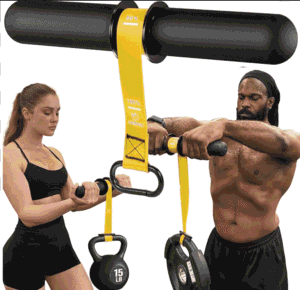
The wrist roller exercise uses a small tool called a wrist roller—usually a thick handle with a rope and weight attached. You hold the roller with both hands, extend your arms, and rotate the handle so the rope winds up and lifts the weight. As you roll, your forearm muscles work hard to control the movement.
This exercise targets the forearm flexors and extensors, which are the muscles responsible for gripping, twisting, and supporting your wrists. It’s a favorite for athletes who need strong hands and wrists—like climbers, wrestlers, and tennis players—but almost anyone can benefit from adding it to their routine.
Benefits Of The Wrist Roller Exercise
Many people overlook forearm training, but the wrist roller delivers unique benefits you can’t get from regular curls or deadlifts. Here are some reasons to include it in your routine:
- Grip Strength: A strong grip helps you lift heavier weights, perform manual tasks, and avoid injuries.
- Wrist Stability: The exercise strengthens small stabilizer muscles that protect your wrist joints.
- Balanced Forearms: Rolling up and down hits both the front (flexors) and back (extensors) of your forearms.
- Injury Prevention: Stronger wrists and forearms can reduce the risk of strains, sprains, and conditions like tennis elbow.
- Rehabilitation: The wrist roller is used in physical therapy to rebuild muscle after injury.
- Convenience: You can do this exercise almost anywhere, with minimal equipment.
A key insight: The wrist roller is one of the few exercises that trains both the grip endurance and explosive grip strength. Many people focus only on holding power, but the roller also improves how long you can maintain a strong grip.

Credit: www.dentalhousecr.com
Muscles Worked During Wrist Roller Exercise
The main muscles worked include:
- Forearm flexors (palm side): Used when rolling the weight up.
- Forearm extensors (back of arm): Used when lowering the weight down.
- Brachioradialis: Runs along the right side of your forearm, helping with elbow flexion.
- Grip muscles: All small muscles that support your grip and finger strength.
- Shoulder stabilizers: These support your arms as you hold them out.
Some exercises only work part of the forearm, but the wrist roller targets almost all the muscles from your elbows to your fingertips.
How To Perform The Wrist Roller Exercise
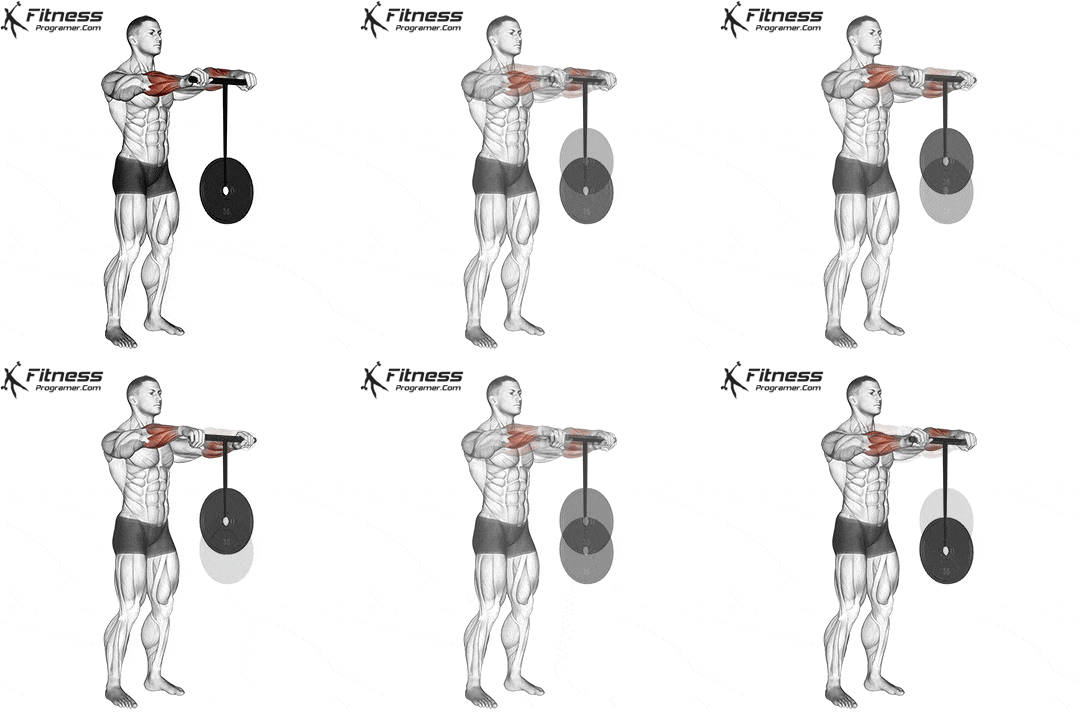
Doing the wrist roller exercise correctly makes all the difference. Here’s a step-by-step guide:
- Hold the wrist roller with both hands, palms facing down.
- Stand upright, feet shoulder-width apart. Raise your arms straight in front at shoulder level.
- Keep elbows locked but not stiff. Engage your core.
- Begin with the weight hanging at the end of the rope.
- Start rolling by twisting your wrists forward, alternating left and right, until the weight reaches the top.
- Reverse the motion to slowly lower the weight back down.
- Maintain control throughout—don’t let the weight spin or drop quickly.
Most people make the mistake of using their shoulders or bending their arms. Focus on moving only at the wrists.
Wrist Roller Equipment Options
You don’t need anything fancy. Most wrist rollers are simple, but there are a few types:
| Type | Material | Pros | Cons |
|---|---|---|---|
| Wooden Roller | Wood, rope, weight plate | Affordable, lightweight, easy grip | Can wear out over time |
| Metal Roller | Steel/aluminum, rope, weight plate | Very durable, heavier feel | More expensive, can be slippery |
| Commercial Roller | Plastic/foam, cable, detachable weights | Comfortable grip, adjustable, compact | Higher cost, less “raw” feeling |
You can also make a DIY wrist roller with a broomstick, a strong rope, and a small dumbbell or water jug.
Best Practices And Pro Tips
To get the most from the desk, pay attention to these tips:
- Start light. It’s better to use a lighter weight and perfect your form. Heavy weights can stress your wrists if you’re not ready.
- Keep elbows at shoulder height. Dropping your arms shifts stress to your shoulders and reduces forearm work.
- Slow and controlled reps. Both the lifting and lowering must be slow for maximum muscle activation.
- Full range of motion. Don’t stop short at the top or bottom—fully wind and unwind the rope.
- Use chalk if your hands sweat or the roller is slippery.
- Limit sets. 2-3 rounds is usually enough for beginners, as forearms fatigue quickly.
A common mistake is rolling too fast. Quick, jerky movements reduce tension and raise injury risk. Always prioritize control.
How Often Should You Do Wrist Roller Exercises?
Your forearms recover quickly, but they can also get overworked. Most people benefit from 2-3 sessions per week. Each session should have:
- 2–4 sets
- 1–2 times rolling weight up and down per set (one “up and down” = 1 rep)
- Rest 1–2 minutes between sets
If your grip is sore or your forearms are cramping, give yourself extra rest days. Remember: quality beats quantity.
Wrist Roller Exercise Variations
If you want to keep your workouts fresh or target your muscles differently, try these variations:
- Reverse grip: Palms face up. This hits the extensors more.
- One-arm roller: Use one hand at a time for extra focus and balance work.
- Seated wrist roller: Sit on a bench, rest your forearms on your knees, and roll. This is easier on your shoulders.
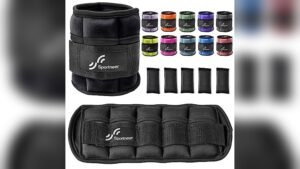
- Weighted gloves: Wear weighted gloves for extra resistance, even with lighter weights.
- Thick grip roller: Use a roller with a larger diameter. This increases grip activation and is much harder.
Many people think only the classic version works, but these variations can break plateaus and spark new growth.

Credit: bellsofsteel.us
Wrist Roller Vs. Other Forearm Exercises
How does the wrist roller compare to classics like wrist curls or farmer’s walks? Here’s a quick comparison:
| Exercise | Main Muscles | Equipment Needed | Best For |
|---|---|---|---|
| Wrist Roller | Flexors, extensors, grip | Roller, weight | Overall forearm strength, endurance |
| Wrist Curl | Flexors | Dumbbell/barbell | Flexor isolation |
| Reverse Wrist Curl | Extensors | Dumbbell/barbell | Extensor isolation |
| Farmer’s Walk | Grip, core | Dumbbells/kettlebells | Grip endurance, whole body |
The wrist roller is unique because it trains both muscle groups in one movement and demands both grip strength and forearm endurance.
Programming The Wrist Roller For Your Goals
How you use the wrist roller depends on what you want to achieve:
- For bigger forearms: Use moderate weight, 2–4 sets, focus on slow reps until you reach muscle fatigue (but avoid failure).
- For grip endurance: Use a lighter weight, more repetitions, and try to roll the weight up and down as many times as possible without losing form.
- For injury prevention: Start with the lightest weight, and increase slowly over weeks. Do not push through pain.
Sample program for beginners:
- Monday: 2 sets, 1 up-and-down rep, light weight
- Thursday: 2–3 sets, 1–2 reps, moderate weight
Experienced lifters can add the wrist roller at the end of arm or back workouts.
Common Mistakes And How To Fix Them
Many people don’t see results because of poor technique or bad habits. Watch out for these common errors:
- Using too much weight: If you can’t control the weight, you’re not training the target muscles.
- Short range of motion: Only rolling halfway up wastes potential gains.
- Letting arms drop: This takes the load off your forearms.
- Jerky or fast reps: This increases risk of wrist pain or injury.
- Neglecting the lowering phase: Lowering the weight (eccentric) is as important as lifting.
If you feel pain in your wrists or elbows, stop and check your form or reduce the weight.
Safety And Injury Prevention
The wrist roller exercise is safe when performed with good form and a reasonable weight. However, forearm and wrist tendons are sensitive to overuse. Here’s how to stay safe:
- Warm up: Light wrist circles and arm swings before starting.
- Don’t overdo it: More is not always better. Allow at least one day between sessions.
- Listen to your body: If you feel sharp pain, stop immediately.
- Stretch after: Gentle wrist and forearm stretches can prevent tightness.
People with previous wrist injuries should check with a doctor or physical therapist before starting this exercise.
Who Should Use The Wrist Roller Exercise?
The wrist roller is useful for many groups:
- Athletes: Wrestlers, climbers, golfers, and tennis players need strong forearms for performance and injury prevention.
- Weightlifters: A stronger grip means better performance in deadlifts, rows, and pull-ups.
- Manual workers: Mechanics, carpenters, and anyone using tools benefit from extra grip endurance.
- Office workers: If you type or use a mouse all day, the wrist roller can help reduce fatigue and risk of repetitive strain injuries.
One insight people often miss: Office workers and gamers can use the wrist roller to help balance out repetitive hand motions and prevent issues like carpal tunnel syndrome.
Choosing A Wrist Roller: What Matters?
If you want to buy or build a wrist roller, consider these points:
- Handle thickness: Thicker handles make the exercise harder and build more grip strength.
- Material: Wood is light and comfortable, metal is durable, and plastic is portable.
- Rope/cable length: Longer ropes allow a bigger range of motion but take longer to roll.
- Weight attachment: Make sure it’s easy to add or remove weights.
Here’s a quick comparison of popular options:
| Roller Model | Handle Diameter | Max Weight | Best For |
|---|---|---|---|
| Basic Wooden | 1.25 inches | 20 kg (44 lbs) | Beginners, home use |
| Steel Pro | 2 inches | 50 kg (110 lbs) | Advanced lifters |
| Foam Grip | 1.5 inches | 15 kg (33 lbs) | Rehab, comfort seekers |
If you are unsure, start with a basic model and upgrade as you progress.
Credit: fitnessprogramer.com
Real-world Examples And Results
People often ask, “Does the wrist roller really work? ” The answer is yes—if you use it consistently and with good form. For example, a 2020 study found that regular forearm training (including the wrist roller) increased grip strength by up to 25% in just six weeks.
Climbers often credit the wrist roller for better endurance on long routes. Tennis players use it to reduce the risk of “tennis elbow. ” Even powerlifters who hit a plateau in deadlifts find that a few months of wrist rolling can break through to new personal records.
A non-obvious insight: Progress with the wrist roller is often faster than with traditional wrist curls because you are training both sides of the forearm and grip at the same time.
For more on the science of grip training, visit the Wikipedia page on grip strength.
Frequently Asked Questions
How Heavy Should The Weight Be For Wrist Roller Exercises?
Start with a lightweight, usually 2–5 kg (5–10 lbs), to master form. Increase gradually as your strength improves. If you can roll up and down easily for 2 reps, add more weight.
Can I Make A Wrist Roller At Home?
Yes! Use a wooden dowel (about 1–2 inches thick), a piece of strong rope (about 1 meter long), and any object you can use as a weight (like a water jug or backpack). Tie the rope securely and you have a DIY wrist roller.
Is The Wrist Roller Safe For People With Wrist Injuries?
If you have a history of wrist pain or injury, consult a doctor or physical therapist first. Start with very light weight and stop if you feel any discomfort. The exercise can help with rehab when done gently and with professional advice.
How Often Can I Train With The Wrist Roller?
Most people see good results with 2–3 sessions per week. More than this can lead to overuse injuries. Always rest at least one day between sessions.
Does The Wrist Roller Help With Carpal Tunnel Syndrome?
It can help by strengthening the muscles around your wrist and improving blood flow, but it is not a cure. If you have carpal tunnel syndrome, ask your doctor before starting, and avoid any exercise that causes numbness or pain.
The wrist roller exercise is a classic tool that remains relevant today. Whether you want stronger grip, bigger forearms, or healthier wrists, this simple movement can deliver real results. Focus on good form, progress slowly, and you’ll be surprised by how much stronger your hands and forearms can become.